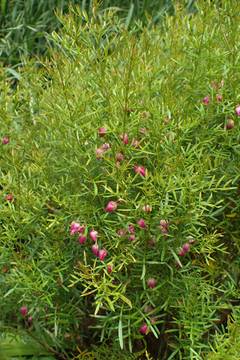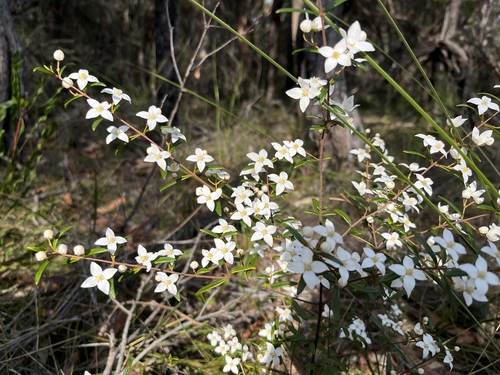
Boronia, Genus, ledifolia, Species,
- Genus & species
Sydney boronia
Overview
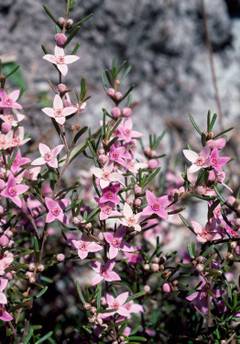
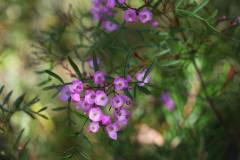
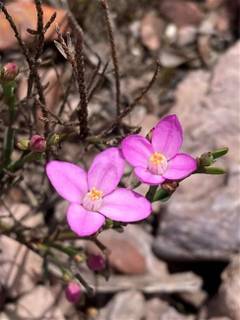
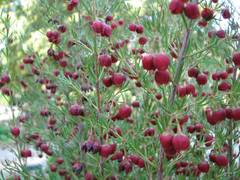
Boronia ledifolia is an evergreen shrub reaching 1.5-5 feet (0.5-1.5 m) tall with an upright, open habit. Leaves are aromatic when crushed, divided into three leaflets or sometimes simple, each leaflet 0.2-1 inch (5-25 mm) long, dark green above and paler with short hairs beneath, with margins rolled under. Star-shaped flowers about 0.4-0.6 inch (10-15 mm) across have four deep-pink to magenta petals and appear singly or in small clusters in the leaf axils. Flowering occurs from late winter into spring. The fruit is a small four-celled capsule that splits to release seed. Plants grow on sandstone-derived soils in open forest and heath. B. ledifolia is moderately short-lived, typically lasting 5-10 years, and has a shallow root system sensitive to disturbance. It requires sharply drained, acidic soil and even moisture; roots are prone to fungal rot in heavy or wet ground.
Native Range
Native to eastern Australia, in coastal New South Wales and southeastern Queensland. Grows in dry sclerophyll forest, woodland, and heath on sandy, sandstone-derived soils, often among rocks at low to moderate elevations.Suggested Uses
Used in native gardens, rockeries, and sandstone-soil plantings, spaced 2-3 feet (0.6-0.9 m) apart. The fragrant flowers and aromatic foliage suit courtyards and container plantings near paths. Short lifespan and exacting drainage needs limit its use in heavy or wet soils.How to Identify
Appearance
Size & Dimensions
Height1'6" - 5'
Width/Spread1'6" - 4'
Bloom Information
Detailed Descriptions
Flower Description
deep pink to magentaFoliage Description
dark greenGrowing Conditions
Sun Requirements
Requires 4-8 hours of direct sunlight daily
• Full Sun: 6+ hours of direct sunlight
• Partial Shade: 3-6 hours of direct sunlight
• Full Shade: Less than 3 hours of direct sunlight
Care & Maintenance
Care Guide
Grows in dappled shade to full sun in sandy, acidic, sharply drained soil kept evenly moist. Water during dry periods, as the shallow roots dry out quickly; waterlogging causes root rot. Mulch lightly to keep roots cool, keeping mulch clear of the stem base. Low-phosphorus native fertilizers suit it; standard fertilizers can scorch the roots. Plants are short-lived and often replaced after 5-10 years. Root rot fungi are the main cause of sudden plant death in poorly drained soils.Pruning
Prune lightly immediately after flowering to maintain a compact, bushy shape and prolong plant life. Cutting back by up to one-third into leafy wood is tolerated, but cuts into bare old wood regenerate poorly. Regular light pruning reduces the legginess that develops with age.Pruning Schedule
Prune: October–November
spring
Container Growing
Suitable for container growing
Minimum container size: 5 gallons