Boronia, Genus, pinnata, Species,
- Genus & species
pink boronia
Overview
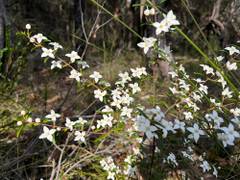
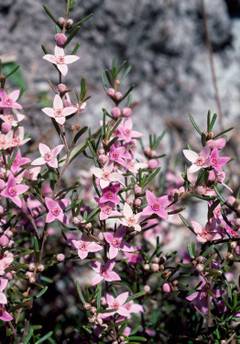
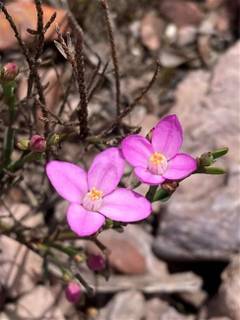
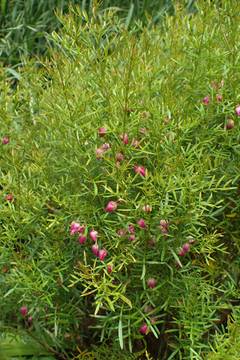
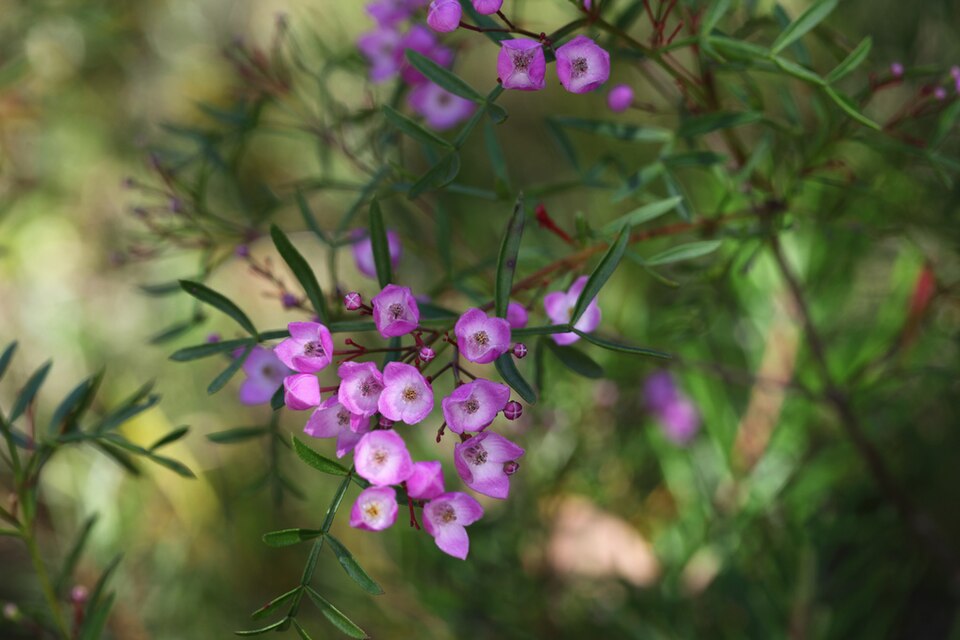
Boronia pinnata is an evergreen shrub in the family Rutaceae reaching 2-6 feet (0.6-1.8 m) tall and 2-4 feet (0.6-1.2 m) wide, with a slender, open habit. The pinnate leaves have 5-11 narrow leaflets and release a sharp aromatic scent when crushed, a trait shared across the genus. Star-shaped, four-petalled flowers in pink to pale rose, each 0.3-0.5 inch (8-13 mm) across, open in loose clusters along the upper stems in spring. The flowers carry a light fragrance. Plants are relatively short-lived, often 4-8 years, and decline faster in heavy or poorly drained soils. Roots are sensitive to drying out and to waterlogging, leaving a narrow margin in cultivation. Growth is moderate, with plants reaching full size in 2-3 years. Foliage thins and the base becomes woody as plants age.
Native Range
Native to New South Wales, Australia, where it grows in heath and dry sclerophyll woodland on sandstone soils. Found mainly in the coastal ranges and the Sydney region in well-drained, often rocky sites.Suggested Uses
Planted in native and woodland gardens in cool, well-drained, part-shaded positions, spaced 2-3 feet (0.6-0.9 m) apart. The fragrant flowers are cut for small posies. Grows in containers of at least 5 gallons (19 L) with a free-draining, low-phosphorus mix, where root conditions are easier to manage.How to Identify
Appearance
Size & Dimensions
Height2' - 6'
Width/Spread2' - 4'
Bloom Information
Pink flowers open in spring, mainly August to October in its native range. A plant carries bloom over 4-6 weeks, with individual flowers lasting about 1-2 weeks. Flowering is heaviest after a cool, moist winter and lighter following dry conditions.
Detailed Descriptions
Foliage Description
greenGrowing Conditions
Sun Requirements
Requires 3-6 hours of direct sunlight daily
• Full Sun: 6+ hours of direct sunlight
• Partial Shade: 3-6 hours of direct sunlight
• Full Shade: Less than 3 hours of direct sunlight
Care & Maintenance
Care Guide
Grows in well-drained, sandy or rocky, slightly acidic soil in part shade to dappled sun, with cool, shaded roots. Consistent light moisture is needed, as the roots are damaged by both drying out and waterlogging. A mulch layer keeps the root zone cool and even in moisture. Plants are sensitive to high-phosphorus fertilisers, so low-phosphorus native blends are used. Root rot develops quickly in heavy or wet soils and is the main cause of sudden plant loss. Light pruning after flowering slows the thinning and woodiness that come with age.Pruning
Light pruning immediately after flowering removes spent blooms and keeps the shrub bushy. Cutting is kept within green growth, as the plant reshoots poorly from bare old wood. Trimming by up to one-third each year delays the open, woody base that develops with age.Pruning Schedule
Prune: October–November
spring
Container Growing
Suitable for container growing
Minimum container size: 5 gallons