Boronia, Genus, spp., Multiple species,
- Genus
- Multiple species
boronia
Overview
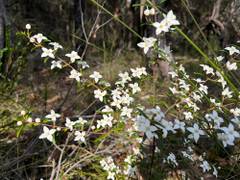
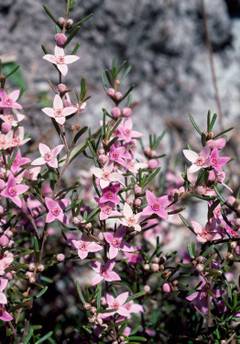
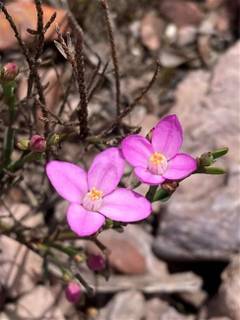
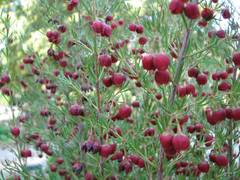
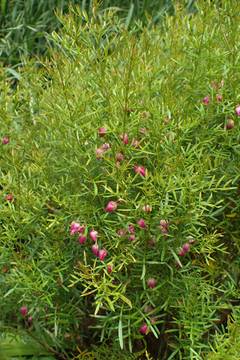
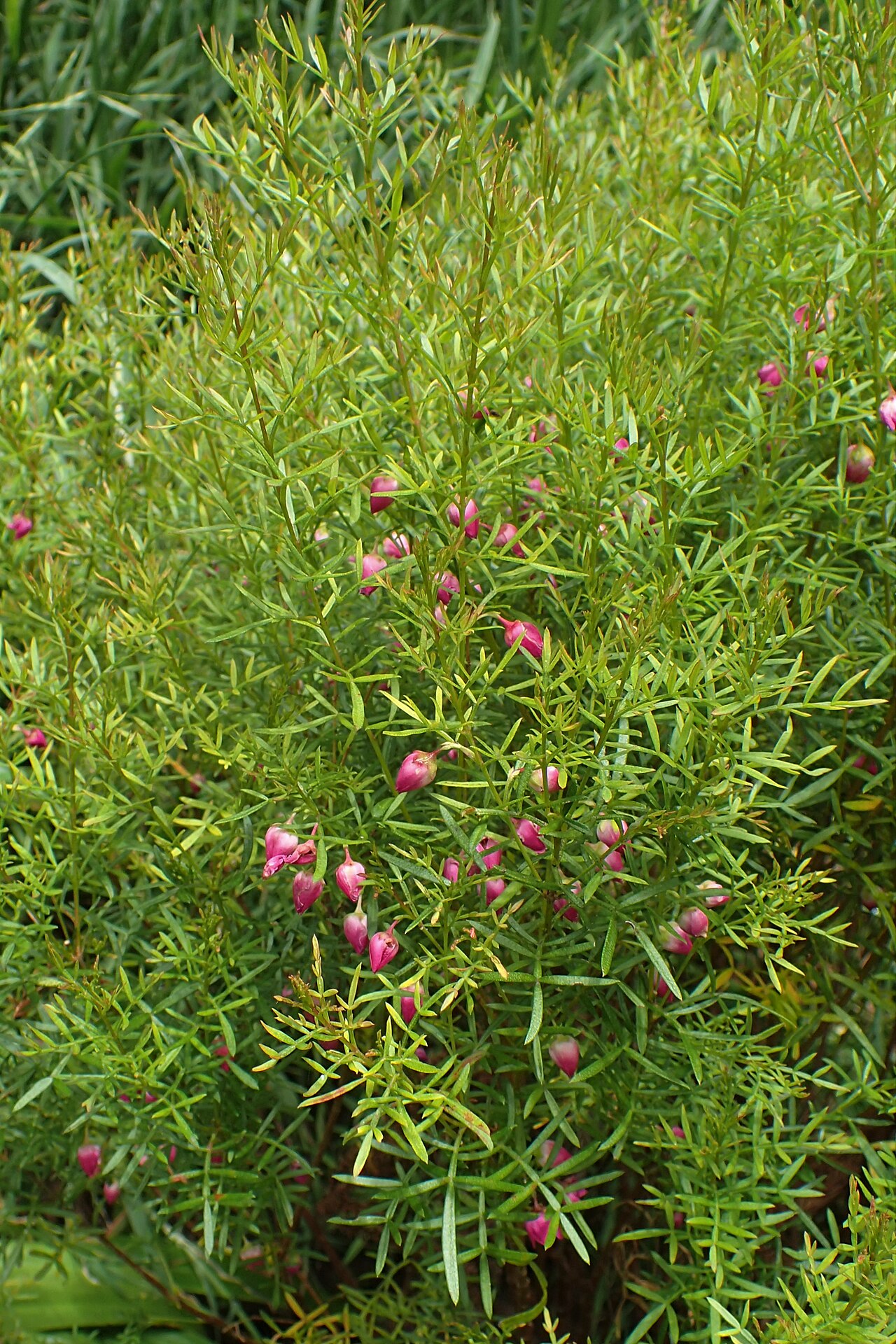
Boronia is a large genus of aromatic evergreen shrubs in the citrus family (Rutaceae), native mainly to Australia with a few species in New Caledonia. The genus contains around 100 to 160 species of small to medium shrubs, typically 1-6 feet (0.3-1.8 m) tall, with slender stems and small leaves that are often pinnately divided and dotted with aromatic oil glands. The four-petalled flowers come in two main forms: open, star-shaped blooms in pink, white, or blue, and cup-shaped or bell-shaped flowers, as in brown boronia (Boronia megastigma), whose brown-and-yellow flowers carry a strong, sweet scent used in perfumery. Most species flower in late winter and spring. Boronia grows in heath, open forest, and rocky sites on acidic, well-drained, low-phosphorus soils in full sun to light shade. Plants are often short-lived and can collapse suddenly, are sensitive to root disturbance and waterlogging, and resent high-phosphorus fertilisers, which makes the genus demanding in cultivation.
Native Range
Native mainly to Australia, in every mainland state and Tasmania, with a few species in New Caledonia. Plants grow in heath, dry sclerophyll forest, and rocky outcrops, often on sandy acidic soils.Suggested Uses
Grown in containers, rock gardens, and shrub borders in mild, frost-free to light-frost climates, and as cut and fragrant flowers, especially brown boronia. The aromatic foliage and flowers suit gardens of Australian and Mediterranean-climate plants.How to Identify
Appearance
Size & Dimensions
Height1' - 6'
Width/Spread1' - 4'
Bloom Information
Most species flower in late winter and spring, roughly August to November in Australia. Brown boronia and several others carry a strong fragrance during this period. Flowering is usually concentrated in a few weeks rather than spread across the year.
Detailed Descriptions
Flower Description
Pink, white, blue, or brownFoliage Description
GreenGrowing Conditions
Sun Requirements
Requires 5-10 hours of direct sunlight daily
• Full Sun: 6+ hours of direct sunlight
• Partial Shade: 3-6 hours of direct sunlight
• Full Shade: Less than 3 hours of direct sunlight
Care & Maintenance
Care Guide
Boronia grows in full sun to light shade on acidic, sandy or gravelly, well-drained soils kept cool and lightly moist. Plants are sensitive to high phosphorus, so low-phosphorus fertilisers are used. Sharp drainage and a cool, mulched root zone reduce the sudden collapse to which many species are prone. Light trimming after flowering keeps plants bushy and can extend their short life. Container culture suits gardens with unsuitable soils, using an acidic, free-draining mix.Pruning
Light pruning immediately after flowering keeps plants compact and prolongs their life, as hard cutting into bare old wood often fails to regenerate. Up to a third of the soft growth is trimmed back. Regular light shaping is more reliable than infrequent hard cuts.Pruning Schedule
Prune: November
spring
Container Growing
Suitable for container growing
Minimum container size: 3 gallons