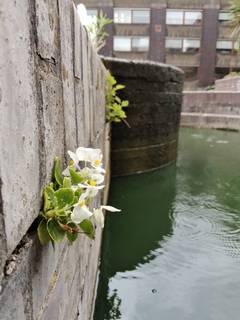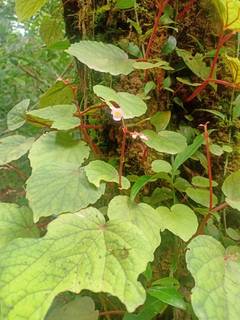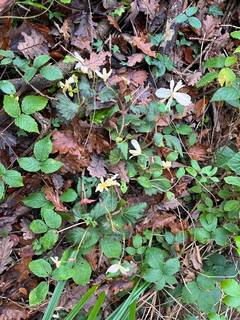
Begonia, Genus, masoniana, Species,
- Genus & species
criss cross begonia
Northern Vietnam and southwestern China (Guangxi province)
Overview
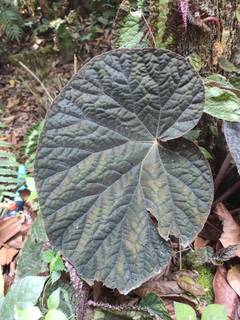
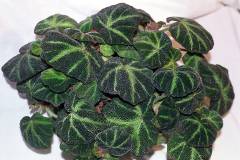
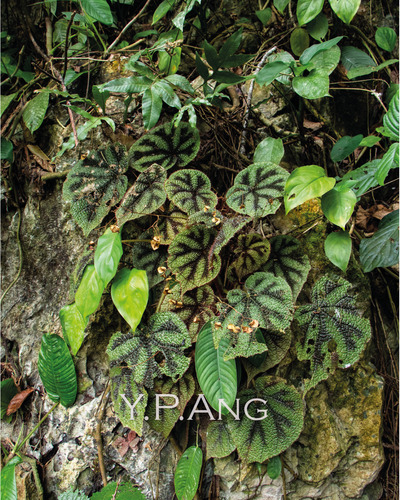
Begonia masoniana is an evergreen rhizomatous begonia reaching 12-18 inches (30-45 cm) tall and 12-18 inches (30-45 cm) wide. Asymmetric ovate leaves are 4-8 inches (10-20 cm) long, with a heavily puckered (bullate) surface and a brown to bronze cross-shaped pattern radiating from the leaf center along the main veins, set against a chartreuse to medium green background. The cross pattern resembles the German iron cross, which is the source of the alternate common name. Leaf petioles and stems bear stiff red bristly hairs. Small pink to white flowers in branched panicles 4-8 inches (10-20 cm) long form in spring to summer, but the species is grown for foliage rather than flowers. Native to limestone outcrops in northern Vietnam and southwest China at 1,000-3,000 feet (300-900 m) elevation, where it grows in shaded humid conditions. Hardy outdoors only in zones 10-11; root and rhizome death below 50°F (10°C). Indoor culture in any zone in bright indirect light. Foliage and rhizome contain calcium oxalate raphides; toxic to dogs and cats and mildly toxic to humans on ingestion, causing oral burning and vomiting. Powdery mildew develops on plants grown in still humid air with poor circulation.
Native Range
B. masoniana is native to limestone outcrops and karst hillsides of northern Vietnam and southwestern China (Guangxi province), where it grows in shaded humid conditions at 1,000-3,000 feet (300-900 m) elevation.Suggested Uses
Grown as an indoor foliage plant in any zone in bright indirect light, in shallow containers of 0.5-2 gallons (2-8 L). Used outdoors in zones 10-11 as a shaded understory or terrarium plant. Toxic to humans and pets if ingested.How to Identify
Appearance
Size & Dimensions
Height1' - 1'6"
Width/Spread1' - 1'6"
Bloom Information
Small pink to white flowers in branched panicles 4-8 inches (10-20 cm) long form in spring to summer on mature plants. Flowering is uncommon on container specimens and the plant is grown for foliage rather than flowers. Bloom period lasts 4-6 weeks when triggered.
Detailed Descriptions
Flower Description
Pink to white; rare on indoor specimensFoliage Description
Chartreuse to medium green with brown to bronze cross-shaped patternGrowing Conditions
Sun Requirements
Needs bright indirect light. Keep it out of direct sun, which can scorch the leaves.
• Bright indirect light: a bright spot near a window, with no direct sun on the leaves
Care & Maintenance
Care Guide
Bright indirect light indoors; outdoors, deep shade in zones 10-11. Direct sun bleaches and burns the patterned foliage within 2-3 weeks. Soil pH 5.5-7.0, in a free-draining mix with the rhizome left at the surface; rhizome rot follows burial or persistent saturation. Water when the top 1 inch (2.5 cm) of soil dries. Powdery mildew develops in still humid air; air circulation reduces incidence. Mealybug, thrips, and spider mites occur on indoor plants. Foliage contains calcium oxalate raphides and is toxic to dogs, cats, and humans on ingestion.Pruning
Cut older damaged leaves at the rhizome with clean scissors as new leaves emerge. Old rhizomes can be divided in spring by separating sections each carrying 2-4 leaves and a portion of root. Cut leaf wedges 1-2 inches (2.5-5 cm) wide root readily in moist potting mix.Container Growing
Suitable for container growing
Minimum container size: 1 gallons