Begonia, Genus, soli-mutata, Species,
- Genus & species
Begonia soli-mutata
Subtropical forests of Bahia, Brazil
Overview
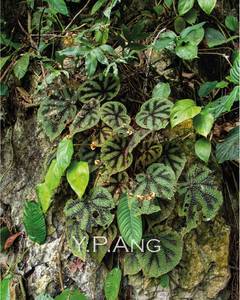
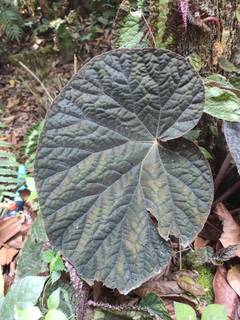
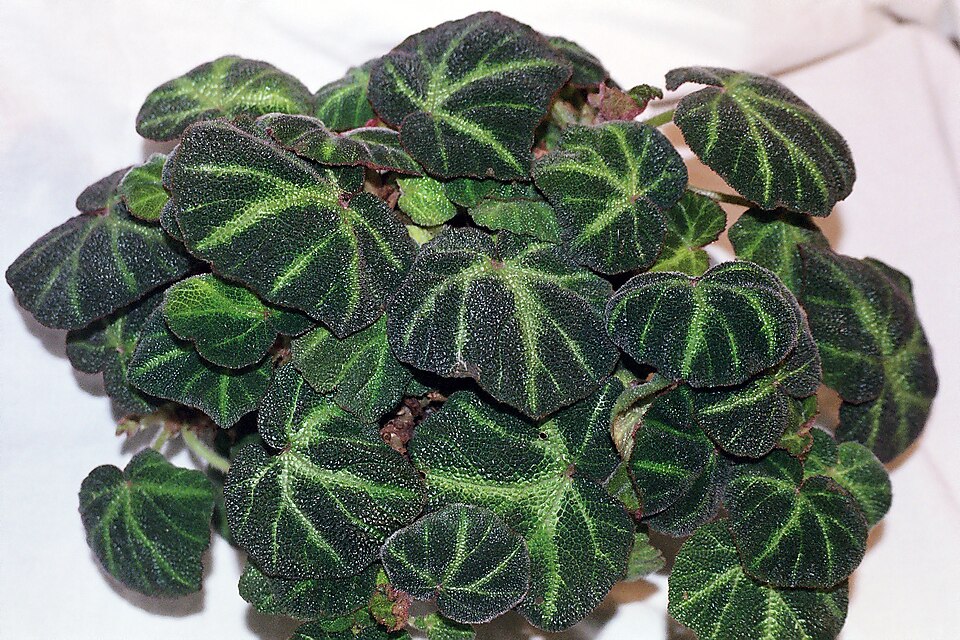
Sun-changing begonia is a rhizomatous perennial reaching 8-12 inches (20-30 cm) tall and 12-18 inches (30-45 cm) wide with thick creeping rhizomes 0.5-1 inch (1.3-2.5 cm) thick lying along the soil surface. Leaves are 4-6 inches (10-15 cm) long and 3-5 inches (7.5-13 cm) wide, asymmetrical and ovate with deeply impressed veins creating a quilted texture. Foliage color shifts from chartreuse-green in deep shade to bronze, copper, or near-black in bright indirect light. Color change occurs over 3-6 weeks of consistent light exposure, with deepest pigmentation under bright filtered morning light. Leaf undersides are red to burgundy. Pink to white flowers measure 0.4-0.6 inch (1-1.5 cm) across in loose clusters of 5-15 on stems rising 6-10 inches (15-25 cm) above the foliage from late winter through spring. Petioles are red, fleshy, and 4-6 inches (10-15 cm) long. The species was first described in 2000 from collections in Bahia, Brazil. Foliage drops within 24-48 hours after exposure to temperatures below 50°F (10°C). Rhizomes can be divided to produce new plants every 2-3 years.
Native Range
Native to subtropical lowland forests of Bahia state in eastern Brazil at elevations from 200-1,500 feet (60-450 m), where B. soli-mutata grows on shaded forest floors and rocky outcrops in well-drained humus.Suggested Uses
Grown indoors in 6-8 inch (15-20 cm) wide shallow pots on terrariums, plant tables, or windowsills where the color-changing foliage display is visible. Used in conservatories and heated greenhouses with humidity above 50 percent. Cultivated by begonia collectors and indoor gardeners for the color-changing foliage; flowers are small and produced briefly in winter.How to Identify
Appearance
Size & Dimensions
Height8" - 1'
Width/Spread1' - 1'6"
Bloom Information
Flowers from late winter through early spring under indoor conditions of 65-75°F (18-24°C). Pink to white blooms 0.4-0.6 inch (1-1.5 cm) across appear in loose clusters of 5-15 on stems rising 6-10 inches (15-25 cm) above the foliage. Bloom period lasts 4-6 weeks; spent inflorescences fall cleanly when finished.
Detailed Descriptions
Flower Description
Pink to whiteFoliage Description
Chartreuse-green to bronze, copper, or near-black with red undersidesGrowing Conditions
Sun Requirements
Tolerates up to 4 hours of direct sunlight daily
• Full Sun: 6+ hours of direct sunlight
• Partial Shade: 3-6 hours of direct sunlight
• Full Shade: Less than 3 hours of direct sunlight
Care & Maintenance
Care Guide
Water when the top 1 inch (2.5 cm) of soil dries; rhizomes rot within 5-7 days under saturated conditions. Maintain bright indirect light at 1,000-2,500 foot-candles for color development; direct sun burns foliage within hours and shade below 800 foot-candles produces solid green leaves. Hold temperatures of 65-80°F (18-27°C) and humidity above 50 percent; below 40 percent humidity leaf edges brown. Fertilize every 2-3 weeks with balanced 20-20-20 at half strength during active growth from spring through fall. Repot every 1-2 years into wide shallow pots with chunky bark-based mix; rhizomes sit on the soil surface with only roots buried. Powdery mildew develops in still air with humidity above 70 percent; mealybugs colonize leaf undersides and rhizome bases.Pruning
Remove yellowing leaves at the petiole base year-round. Cut spent flower stems to the base after flowering finishes. Divide rhizomes every 2-3 years in early spring, separating sections with at least 2-3 leaves and intact roots; cut surfaces callus 24-48 hours before replanting.Container Growing
Suitable for container growing
Minimum container size: 1 gallons