Image 1 of 4
Plant Reference
1 / 4
Begonia, Genus, grandis, Species, ssp., Subspecies, evansiana, Subspecies,
- Genus & species
- Subspecies
hardy begonia
Overview
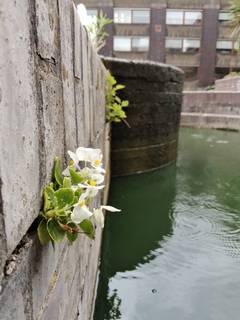
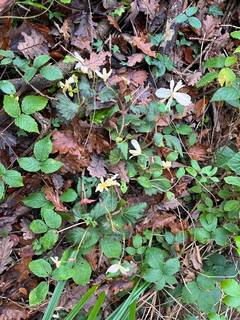
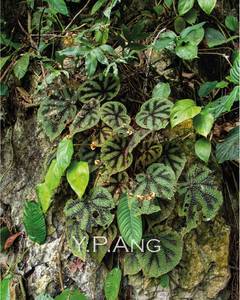
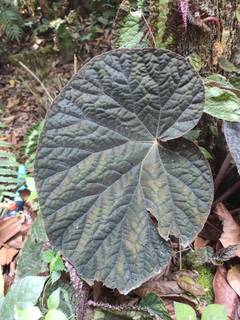
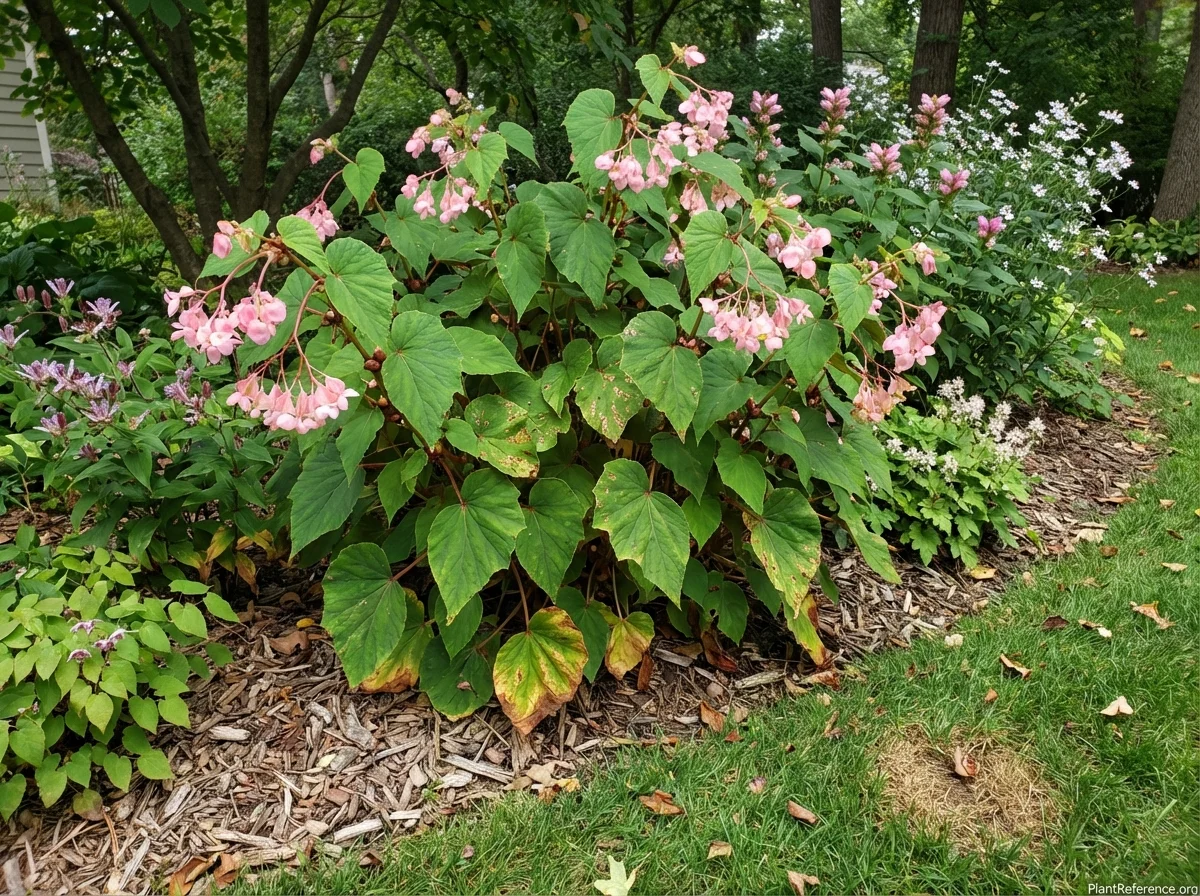
Begonia grandis ssp. evansiana is the hardy begonia, the only winter-hardy begonia in temperate gardens — surviving to zone 6 from tuberous roots, while all other commonly grown begonias are tender annuals or houseplants. Growing 18–24 inches (45–60 cm) tall and 18–30 inches (45–75 cm) wide. Pendant pink flowers 1 inch (2.5 cm) in drooping clusters from late summer to fall (August–October). Angel-wing-shaped leaves 4–6 inches (10–15 cm) with olive-green upper surfaces, red veins, and red undersides — the red undersides are visible from below. In the begonia family (Begoniaceae). Emerges late in spring (May–June) from the tuberous roots — do not assume the plant is dead when it fails to appear in early spring. Small bulbils form in the leaf axils in fall and drop to the ground, producing new plants — this vegetative bulbil colonization is the primary spreading method. 'Alba' is the white-flowered form. Monoecious: separate male and female flowers on the same plant. The foliage dies to the ground after the first frost. Consistent moisture in shade. Mildly toxic to dogs and cats (calcium oxalates). Deer-resistant. Partial shade. Zones 6–9. Growth rate is moderate.
Native Range
Begonia grandis is native to China, Japan, and the Malay Peninsula. Ssp. evansiana occurs in moist, shaded mountain forests and stream banks at elevations of 1,000–5,000 feet (300–1,500 m) in central and southern China and Japan.Suggested Uses
Grown in shade borders and woodland gardens in zones 6–9. The only winter-hardy begonia. Late-season shade bloom (August–October). Bulbil colonization. 'Alba' for white flowers. Mildly toxic to pets. Deer-resistant.How to Identify
Appearance
Size & Dimensions
Height1'6" - 2'
Width/Spread1'6" - 2'6"
Bloom Information
Detailed Descriptions
Flower Description
Pink, pendant, 1 inch (2.5 cm), in drooping clusters; 'Alba' is the white-flowered formFoliage Description
Olive-green above with red veins and red undersides, angel-wing-shaped, 4-6 inches (10-15 cm)Growing Conditions
Sun Requirements
Requires 2-5 hours of direct sunlight daily
• Full Sun: 6+ hours of direct sunlight
• Partial Shade: 3-6 hours of direct sunlight
• Full Shade: Less than 3 hours of direct sunlight
Care & Maintenance
Care Guide
Plant in humus-rich, consistently moist soil in partial to full shade. The tubers emerge late in spring (May–June); do not disturb the planting area in early spring while the ground appears bare. Consistent moisture is essential during the growing season; drought causes leaf curling and premature dormancy. Bulbils formed in the leaf axils create colonies that can crowd out smaller companions in sheltered, moist sites; remove unwanted bulbils before they establish if spread is undesirable. Mulch with 3–4 inches (8–10 cm) of leaf mold over the dormant tubers in zones 6–7 for winter protection. Slugs and snails feed on the succulent stems and leaves. Top growth dies to the ground after the first frost. This is the only reliably winter-hardy begonia, holding in zones 6–9. Mildly toxic to pets, and generally left alone by deer.Pruning
No pruning needed. Allow foliage to die back naturally after frost. The tuberous roots overwinter in the ground. Mark the location to avoid accidental digging in spring.Container Growing
Suitable for container growing
Minimum container size: 3 gallons