Begonia, Genus, spp., Multiple species,
- Genus
- Multiple species
begonias
Tropical and subtropical regions worldwide except Australia
Overview
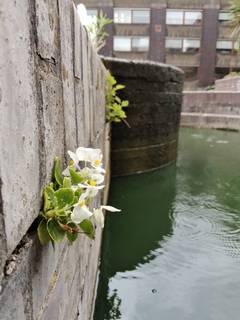
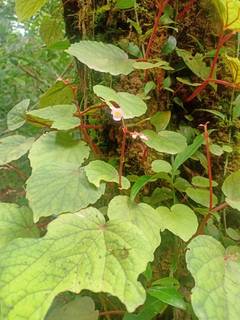
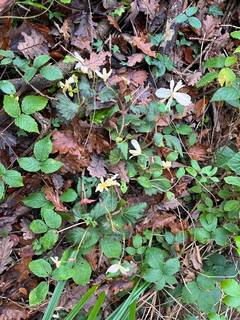
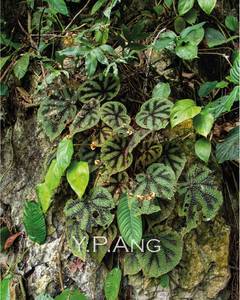
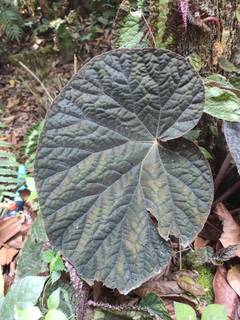
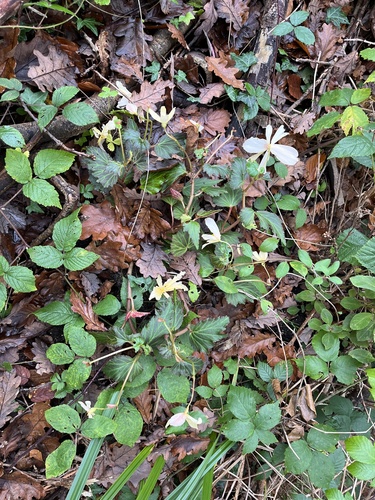
Begonia is a genus of about 2,000 species of tender perennials in the family Begoniaceae, among the largest genera of flowering plants. Native to moist tropical and subtropical regions worldwide, plants range from low mounding forms a few inches high to cane-stemmed types 6 feet (1.8 m) tall, and include fibrous-rooted, tuberous, and rhizomatous groups. The leaves are the defining feature: alternate, often lopsided with one side larger than the other at the base, and variously lobed, toothed, or spiraled, in greens, silvers, bronzes, reds, and patterned combinations. Plants are monoecious, bearing separate male and female flowers on the same plant; the female flowers carry a conspicuous three-winged ovary behind the petals. Blooms are 0.3 to 3 inches (8 to 75 mm) wide in white, pink, red, orange, or yellow, single or double, and appear over long periods in warm conditions. Begonia grows naturally in humid forest understories, on shaded rocks, and along streambanks. Most are frost-tender and are grown as houseplants, summer bedding, or container plants outside the tropics. All parts contain soluble calcium oxalates that irritate the mouth and digestive tract of pets and people if chewed, with the underground tubers holding the greatest concentration.
Native Range
Begonia is native to humid tropical and subtropical regions around the world, including Central and South America, Africa, southern and Southeast Asia, and the Pacific, but is absent from Australia. Species grow in shaded, moist habitats such as rainforest floors, mossy rocks, cliff faces, and streamsides.Suggested Uses
Begonia is grown as shade bedding, in containers and window boxes, in hanging baskets for trailing tuberous types, and as foliage houseplants for the patterned-leaved rex and rhizomatous groups. Plants are spaced 8 to 12 inches (20 to 30 cm) apart in beds. The long bloom and shade tolerance suit north-facing and woodland plantings in frost-free seasons.How to Identify
Appearance
Size & Dimensions
Height4" - 6'
Width/Spread6" - 3'
Colors
Bloom Information
Bloom time depends on type and climate: wax begonias flower almost continuously in warm weather, tuberous begonias bloom from summer into autumn, and many indoor begonias flower year-round under bright light. Clusters of 0.3 to 3 inch (8 to 75 mm) flowers open in white, pink, red, orange, or yellow. The lighter male flowers usually open before the winged female flowers in each cluster. Deadheading and warmth prolong the display.
Detailed Descriptions
Flower Description
white, pink, red, orange, or yellowFoliage Description
green, silver, bronze, red, or patterned, often red beneathGrowing Conditions
Sun Requirements
Needs bright indirect light. Keep it out of direct sun, which can scorch the leaves.
• Bright indirect light: a bright spot near a window, with no direct sun on the leaves
Care & Maintenance
Care Guide
Begonia grows in bright, indirect light to partial shade and moist but well-drained, humus-rich soil at a pH of 5.5 to 6.5. Plants need warmth above 50 F (10 C), consistent moisture, and humidity, but waterlogged soil and wet leaves bring on stem rot and powdery mildew. Indoors they are watered when the top inch of mix dries and fed lightly during active growth. Tuberous types are lifted and stored dry over winter in cold climates, while fibrous and rhizomatous types are kept as houseplants. Most are hardy only in USDA zones 9 to 11 and are grown as annuals or containers elsewhere. All parts contain calcium oxalate crystals that are toxic to dogs, cats, and people if eaten.Pruning
Pinching the growing tips of cane and wax Begonia keeps plants bushy and increases flowering, while leggy stems are cut back hard in spring to force fresh growth from the base. Spent flowers and yellowing leaves are removed to limit disease. Rhizomatous and rex types need only the removal of old leaves and faded bloom stalks.Pruning Schedule
Prune: March–April
early spring
Container Growing
Suitable for container growing
Minimum container size: 1 gallons