Barleria, Genus, spp., Multiple species,
- Genus
- Multiple species
Bushviolets
Tropical and subtropical Africa, Asia, and the Americas
Overview
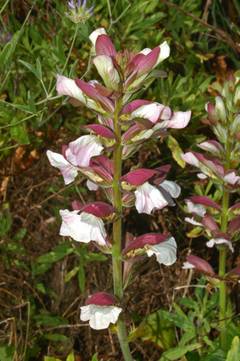
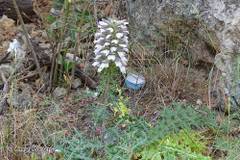
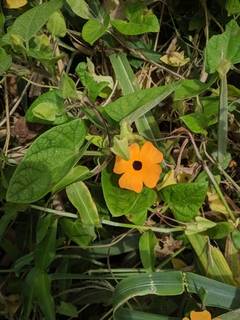
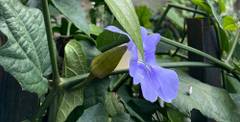
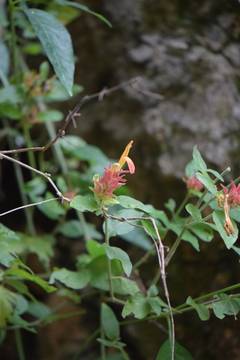
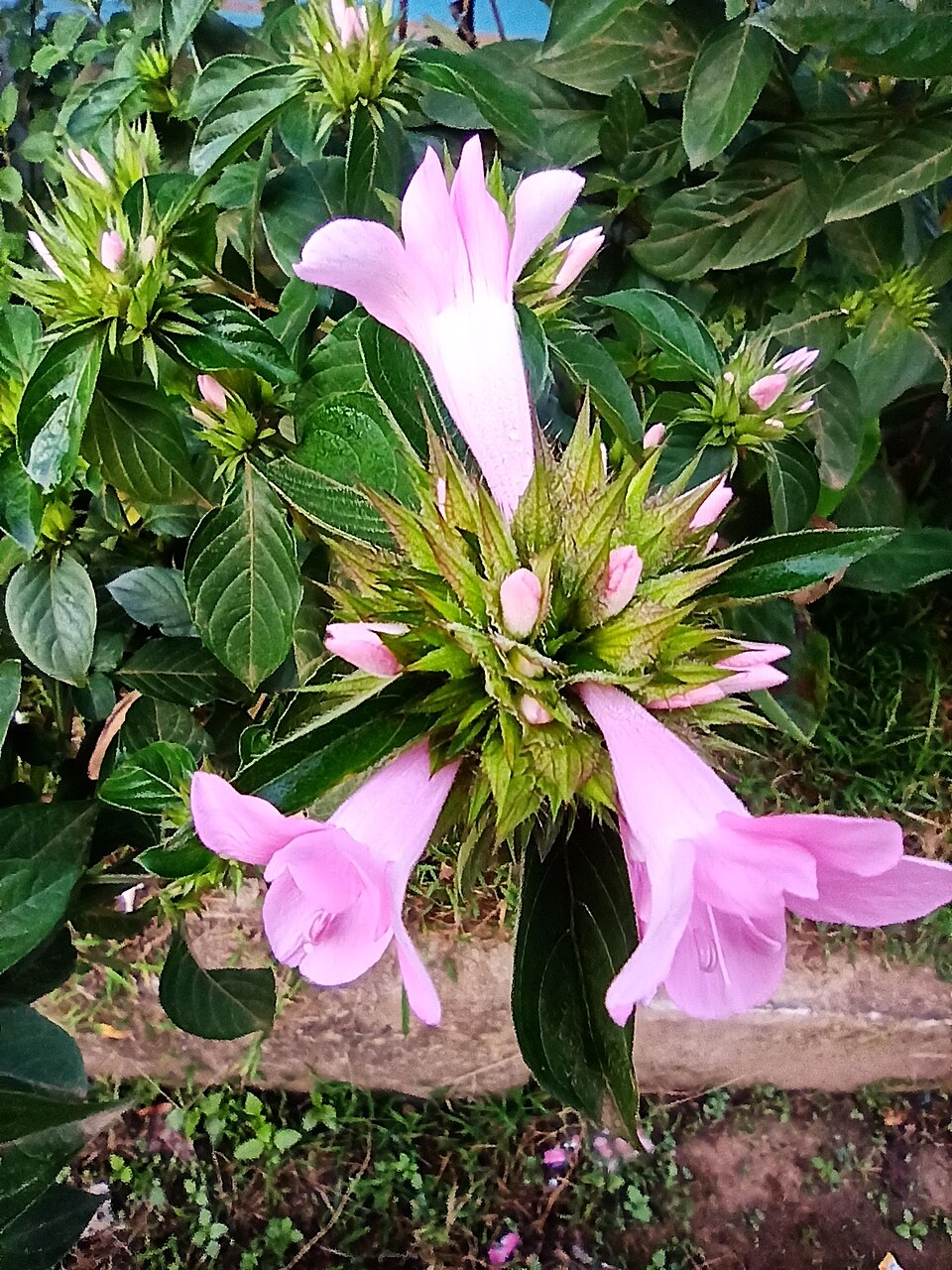
Barleria is a genus of about 300 species of shrubs and subshrubs in the family Acanthaceae, native to the tropics and subtropics of Africa, Asia, and the Americas. Plants are mostly low and bushy, 1-6 feet (0.3-1.8 m) tall, and many carry sharp axillary spines, a feature reflected in names such as porcupine flower. The opposite leaves are simple and often softly hairy, sometimes with bristle-tipped margins. Two-lipped tubular flowers 1-2 inches (2.5-5 cm) long open from overlapping bracts in blue, purple, violet, white, yellow, or orange, depending on species, set singly or in dense spikes. Barleria grows in dry woodland, bushveld, scrub, and rocky ground, and several species flower over a long warm-season period. The genus is frost-tender and suited to warm, frost-free climates. Some species, including B. cristata, the Philippine violet, are grown as flowering hedges, while spiny kinds form barrier plantings. A few have naturalized and become weedy in warm regions, and the spines on some species make them awkward to handle.
Native Range
Native across tropical and subtropical Africa, Asia, and the Americas, with most species in Africa. Plants grow in dry woodland, bushveld, thornscrub, grassland, and rocky slopes, usually in full sun to light shade on well-drained soils.Suggested Uses
Used as flowering hedges, low screens, mass plantings, and groundcover in warm, frost-free gardens, with B. cristata and B. obtusa spaced 18-30 inches (45-75 cm) apart. Spiny species form barrier and security hedges. In cooler areas plants are grown in containers and overwintered under cover, and the flowers draw butterflies and bees.How to Identify
Appearance
Size & Dimensions
Height1' - 6'
Width/Spread1' - 5'
Bloom Information
Many Barleria flower heavily from late summer into autumn, while in warm climates some bloom in flushes through much of the year. Each two-lipped flower is short-lived, but a succession opens from the bracts over weeks. Ripe capsules split open to fling out the seeds.
Detailed Descriptions
Flower Description
blue, purple, violet, white, yellow, or orangeFoliage Description
greenGrowing Conditions
Sun Requirements
Requires 5-10 hours of direct sunlight daily
• Full Sun: 6+ hours of direct sunlight
• Partial Shade: 3-6 hours of direct sunlight
• Full Shade: Less than 3 hours of direct sunlight
Care & Maintenance
Care Guide
Barleria are grown in full sun to light shade in well-drained soil and tolerate heat and short drought once established. Even moisture during the growing season supports the heaviest flowering, while winter wet and cold cause dieback. The genus is frost-tender, hardy in roughly USDA zones 9b-11, and is cut back by frost but often resprouts. Plants are pruned after flowering to stay compact, as they grow leggy with age. Propagation is from cuttings or seed, both quick and easy. Spiny species are kept away from paths so their thorns are not brushed against.Pruning
Plants are cut back after the main flowering flush, or in early spring in frost-prone areas, to keep them bushy and remove old or frosted wood. Light tip-pruning during growth encourages branching and more flowers. Hard renovation pruning is tolerated by most species.Container Growing
Suitable for container growing