Aspalathus, Genus, spp., Multiple species,
- Genus
- Multiple species
aspalathuses
Overview
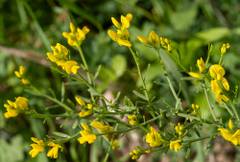
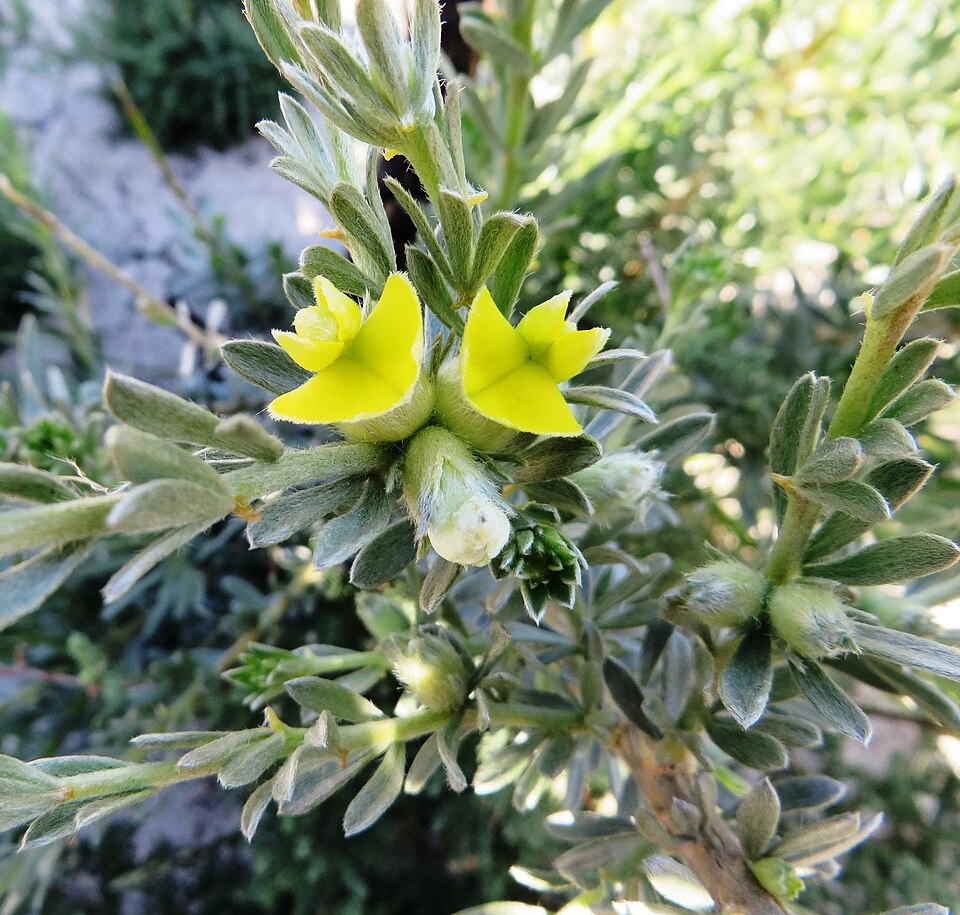
Aspalathus is a genus of around 280 species of shrubs and shrublets in the legume family Fabaceae, almost entirely restricted to the fynbos vegetation of the Cape Floristic Region in South Africa. Plants range from low, wiry shrublets to upright shrubs 1-10 feet (0.3-3 m) tall, with small needle-like or clustered leaves often borne in tufts along the stems. The flowers follow the typical pea form, with a broad upper petal and a keel, and open mainly in yellow, though some species are pink, purple, or cream. Like other legumes, the roots form nodules with nitrogen-fixing bacteria, allowing the plants to grow in the nutrient-poor, acidic sandstone soils of their habitat. Most species are adapted to a Mediterranean climate of wet winters and dry summers, and many resprout or regenerate from seed after the periodic fires of the fynbos. The genus includes A. linearis, the source of rooibos, whose leaves and stems are fermented and dried to make a caffeine-free herbal tea grown commercially in the Western Cape. Outside their native range the species are seldom cultivated, as most are closely tied to fynbos soils and climate and are short-lived in gardens.
Native Range
Aspalathus is almost entirely endemic to the Cape Floristic Region of South Africa, concentrated in the winter-rainfall fynbos of the Western Cape. A few species extend into the Eastern Cape and Namaqualand.Suggested Uses
Grown chiefly in fynbos restoration and in specialist collections of Cape plants, where the wiry habit and yellow pea flowers suit dry, sandy gardens. A. linearis is cultivated agriculturally for rooibos tea. The nitrogen-fixing roots help stabilize and enrich poor sandy soils.How to Identify
Appearance
Size & Dimensions
Height1' - 10'
Width/Spread1' - 6'
Bloom Information
Flowering is concentrated in the southern hemisphere spring and summer, roughly September to December, varying by species and altitude. Many species flower most heavily in the first years after a fire. The small pea flowers last several weeks and are followed by short seed pods.
Detailed Descriptions
Flower Description
yellow, sometimes pink to purpleFoliage Description
greenGrowing Conditions
Sun Requirements
Requires 6-12 hours of direct sunlight daily
• Full Sun: 6+ hours of direct sunlight
• Partial Shade: 3-6 hours of direct sunlight
• Full Shade: Less than 3 hours of direct sunlight
Care & Maintenance
Care Guide
Plants need full sun, sharp drainage, and acidic, sandy, low-nutrient soil that mirrors fynbos conditions. They tolerate summer drought but are sensitive to phosphorus-rich fertilizers and to wet, heavy soils, which cause root rot. Most species are frost-tender and suited only to mild Mediterranean-type climates. Propagation is mainly from seed, which germinates better after smoke or heat treatment that mimics fire. Container culture in a free-draining acidic mix is possible, but the plants are often short-lived away from their native habitat. A. linearis is grown as a field crop in the Western Cape and harvested for rooibos.Pruning
Light tip pruning after flowering keeps young plants bushy, though older stems respond poorly to hard cutting. Rooibos plantings are cut back annually at harvest to encourage new shoots. Most ornamental species need little pruning beyond removal of dead wood.Container Growing
Suitable for container growing
Minimum container size: 3 gallons