Genista, Genus, lydia, Species,
- Genus & species
lydia broom
Southeastern Europe — Turkey, the Balkans, and the eastern Mediterranean; dry rocky slopes and open scrub
Overview
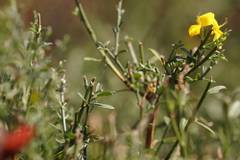
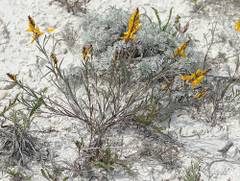
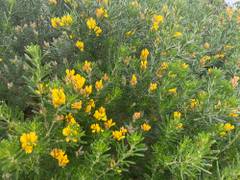
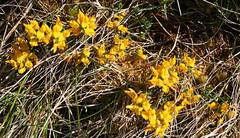
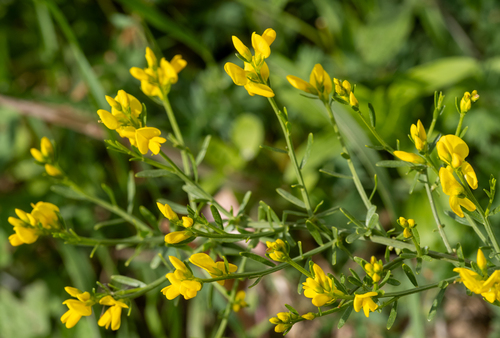
Genista lydia is Lydia broom (Lydian broom), a low mounding deciduous shrub growing 1.5-2 feet (45-60 cm) tall and 2-4 feet (60-120 cm) wide with arching green photosynthetic stems. Golden-yellow pea-shaped flowers 0.4-0.5 inch (1-1.3 cm) in dense terminal racemes covering the arching stems in May-June. Tiny narrow blue-green leaves 0.3-0.5 inch (8-13 mm) — often absent by late summer as the green stems take over photosynthesis. In Fabaceae (the legume family) — nitrogen-fixing. Native to southeastern Europe and Turkey. Does not regenerate from old bare wood — the primary maintenance limitation. Resents root disturbance and transplanting. Short-lived: 10-15 years. Requires full sun and dry poor soil — excess fertility and moisture cause leggy growth with reduced flowering. Not invasive (unlike the related Cytisus scoparius). Toxic — contains cytisine alkaloids. Deer-resistant. Drought-tolerant. Zones 5-9. Full sun. Growth rate is moderate.
Native Range
Native to southeastern Europe — Turkey, the Balkans, and the eastern Mediterranean. Found on dry rocky slopes and open scrub.Suggested Uses
Grown in rock gardens, on dry banks, over retaining walls (cascading), and in containers of at least 5 gallons (19 L), spaced 2-4 feet (60-120 cm). Dry poor soil. Low mounding form. Not invasive. Toxic. Deer-resistant. Zones 5-9.How to Identify
Appearance
Size & Dimensions
Height1'6" - 2'
Width/Spread2' - 4'
Colors
Bloom Information
Late spring (May-June). Golden-yellow pea-shaped flowers 0.4-0.5 inch (1-1.3 cm) in dense terminal racemes. 3 weeks of bloom. Bee- and butterfly-pollinated.
Detailed Descriptions
Flower Description
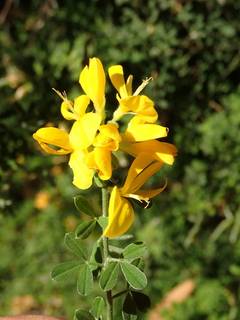
Golden-yellow, pea-shaped, 0.4-0.5 inch (1-1.3 cm), in dense terminal racemes covering the arching stemsFoliage Description
Tiny, simple, narrow, blue-green, 0.3-0.5 inch (8-13 mm); often absent by late summer — green photosynthetic stems take overGrowing Conditions
Sun Requirements
Requires 6-12 hours of direct sunlight daily
• Full Sun: 6+ hours of direct sunlight
• Partial Shade: 3-6 hours of direct sunlight
• Full Shade: Less than 3 hours of direct sunlight
Care & Maintenance
Care Guide
Full sun (6+ hours). Dry poor well-drained soil pH 5.5-7.0 — sand, rocky, or lean loam. Excess fertility and moisture reduce flowering. Drought-tolerant once established. Do not cut into old bare wood. Short-lived (10-15 years). Resents transplanting. Toxic (cytisine). Deer-resistant. Zones 5-9.Pruning
Shear lightly after flowering (June-July) — remove spent racemes and trim current season's growth by 1/3. Do not cut into old bare wood — it will not regenerate. The mounding arching form is natural.Pruning Schedule
Prune: June–July
summer
Container Growing
Suitable for container growing
Minimum container size: 5 gallons