Genista, Genus, pilosa, Species,
- Genus & species
silkyleaf woadwaxen
Europe from the British Isles east through central and southern Europe to Turkey; heathlands, dry grasslands, and rocky slopes on acidic to neutral soils
Overview
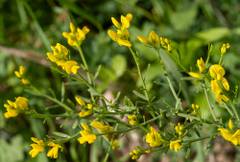
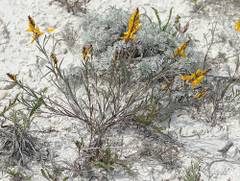
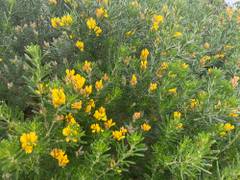
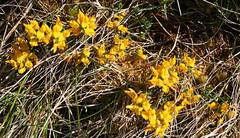
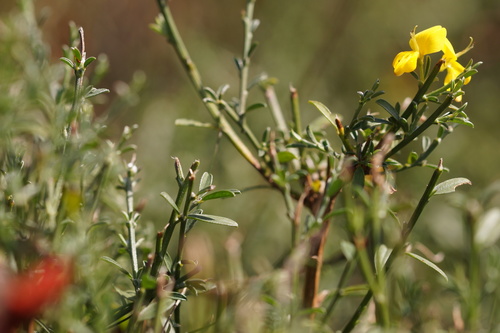
Genista pilosa is a very low spreading deciduous shrub in the family Fabaceae (the legume family) reaching 6–16 inches (15–40 cm) tall and 3–6 feet (90–180 cm) wide, forming a dense ground-covering mat across open ground. Leaves are small, simple, oval to oblong, 0.3–0.5 inch (8–12 mm) long, green on the upper surface with a silky-hairy silvery underside that gives the species its common name silkyleaf woadwaxen. Golden-yellow pea-shaped flowers 0.4 inch (1 cm) long open in lateral clusters along the previous-season stems from May through June across a 3-week bloom period and draw bees and butterflies. The species fixes atmospheric nitrogen through Rhizobium root nodules and establishes in low-fertility soils where most woody ground covers decline. The cultivar 'Vancouver Gold' is widely sold as a shorter, denser selection at 4–12 inches (10–30 cm) tall and produces heavier flower set than the species type. The species is not invasive in North America. All parts contain cytisine and related quinolizidine alkaloids and are toxic to humans and pets if ingested. Limitation: plants do not regenerate from old bare wood, so hard renovation cuts into woody stems often kill the affected section or the whole plant; the species is short-lived at 10–15 years and resents transplanting and root disturbance; excess soil fertility and moisture produce leggy open growth rather than the dense mat, so site selection toward poor dry positions is required for good habit.
Native Range
Native to Europe from the British Isles east through central and southern Europe to Turkey, growing on heathlands, dry grasslands, and rocky slopes on acidic to neutral soils at low to middle elevations.Suggested Uses
Used as a ground cover, rock garden plant, cascading shrub over retaining walls, and container specimen at 3–6 foot (0.9–1.8 m) spacing. Container culture is possible in pots of at least 3 gallons (11 L) with lean well-drained mix. Poor dry sunny sites suit the species where other ground covers fail because of low fertility. Rich moist positions and heavy clay soils are unsuitable because they produce leggy growth and shortened lifespan.How to Identify
Appearance
Size & Dimensions
Height6" - 1'4"
Width/Spread3' - 6'
Bloom Information
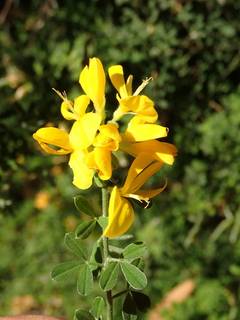
Golden-yellow pea-shaped flowers 0.4 inch (1 cm) long open in lateral clusters along the previous-season stems from May through June, lasting about 3 weeks. The flowers draw bees and butterflies. No ornamental fruit follows; small seed pods develop through summer and release seeds by pod dehiscence.
Detailed Descriptions
Flower Description
golden-yellow pea-shaped flowers 0.4 inch (1 cm) long in lateral clusters along the previous-season stemsFoliage Description
green on the upper surface with a silky-hairy silvery underside; small, simple, oval to oblong, 0.3-0.5 inch (8-12 mm) longGrowing Conditions
Sun Requirements
Requires 6-12 hours of direct sunlight daily
• Full Sun: 6+ hours of direct sunlight
• Partial Shade: 3-6 hours of direct sunlight
• Full Shade: Less than 3 hours of direct sunlight
Care & Maintenance
Care Guide
Site in full sun with 6–12 hours of direct sun per day in dry well-drained poor soil with a pH of 5.0–7.0, including sand, rocky substrates, and lean loam. Rich moist soils produce leggy open growth and disrupt the mat-forming habit. The species fixes atmospheric nitrogen through root nodules and does not require nitrogen fertilization. Plants are drought-tolerant once established and resent root disturbance, so a permanent planting position and a small container-grown starter are called for because transplanting established plants is often unsuccessful. All parts are toxic if ingested. Hardy in USDA zones 4–9.Pruning
Light shearing after flowering in June and July removes spent flower clusters and trims current-season growth to hold the mat form. Cuts into old bare wood should not be made because Genista species do not regenerate from older woody stems and bare sections left by hard pruning remain bare for the life of the plant. The natural low spreading mat habit requires no training.Pruning Schedule
Prune: June–July
summer
Container Growing
Suitable for container growing
Minimum container size: 3 gallons