Arachis, Genus, spp., Multiple species,
- Genus
- Multiple species
peanuts
Overview
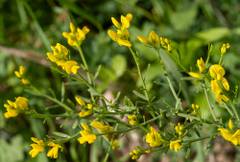
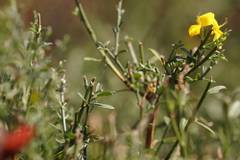
Arachis is a genus of about 70 species of annual and perennial legumes in the pea family Fabaceae, native to South America, chiefly Brazil, Bolivia, Argentina, and Paraguay. The most familiar member of the genus is the peanut or groundnut, A. hypogaea, an annual crop grown across the warm regions of the world for its edible seeds and oil. Plants are low and either upright or trailing, 6-24 in (15-60 cm) tall, with pinnate leaves usually bearing two pairs of oval leaflets that fold together at night. The yellow to orange pea-like flowers are 0.3-0.6 in (8-15 mm) across and self-pollinating. After fertilisation the flower stalk, called a peg, elongates downward and pushes the developing pod into the soil, where the seeds ripen underground. The mature pods are wrinkled, tan, and hold one to four seeds. Perennial species such as A. glabrata spread by rhizomes and are grown as forage and groundcover in the tropics and subtropics. The genus needs warmth, full sun, and a long frost-free season. Peanut seeds are a major human food allergen.
Native Range
The genus is native to South America, with its centre of diversity in Brazil and the surrounding countries of Bolivia, Paraguay, and Argentina. The cultivated peanut A. hypogaea arose in this region and is now grown throughout the tropics, subtropics, and warm-temperate zones.Suggested Uses
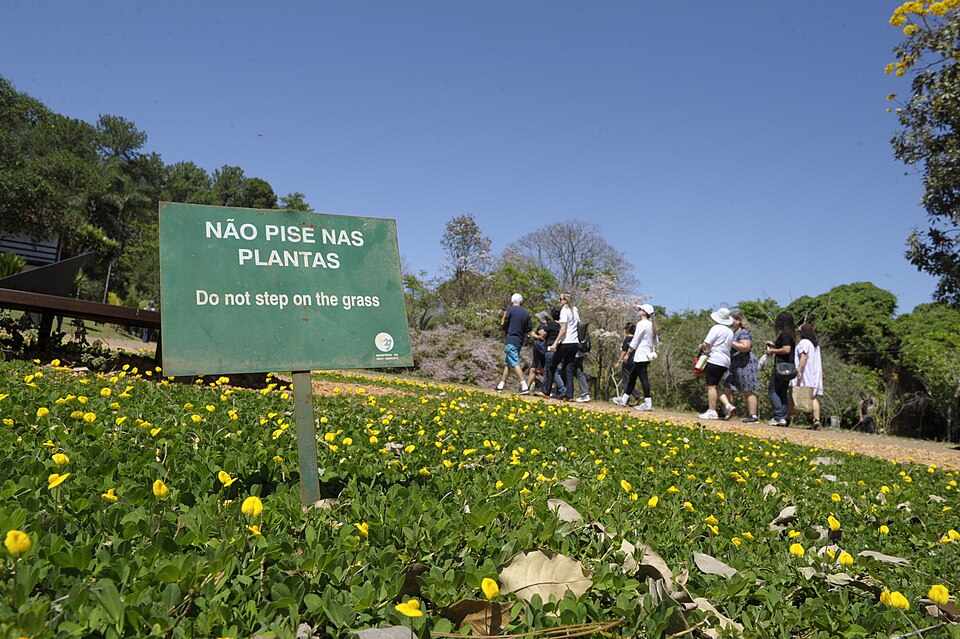
The peanut A. hypogaea is grown in vegetable gardens and on farms for edible seeds, oil, and forage, while perennial species are used as drought-tolerant lawn substitutes and groundcovers in warm climates. Crop plants are spaced 6-12 in (15-30 cm) apart in rows. Perennial peanut is planted more widely for groundcover.How to Identify
Appearance
Size & Dimensions
Height6" - 2'
Width/Spread1' - 3'
Bloom Information
Arachis flowers over a long period through the warm growing season, beginning a few weeks after sowing and continuing for many weeks. Each yellow flower lasts only a day, but plants bloom in succession. Flowering and underground pod-set overlap, so flowers and ripening pods are present together.
Detailed Descriptions
Flower Description
yellow to orangeFoliage Description
greenGrowing Conditions
Sun Requirements
Requires 6-10 hours of direct sunlight daily
• Full Sun: 6+ hours of direct sunlight
• Partial Shade: 3-6 hours of direct sunlight
• Full Shade: Less than 3 hours of direct sunlight
Care & Maintenance
Care Guide
Grow Arachis in full sun in light, loose, sandy or loamy soil with a pH of 5.5-7.0, since the pegs must penetrate the surface to set pods. The genus needs a long, warm, frost-free season of 100 to 150 days and steady moisture during flowering and pod fill. Reduce watering as the pods mature to limit rot and aid harvest. Loosen and hill soil around the base so the pegs enter easily. As legumes, plants fix their own nitrogen and need little nitrogen feeding, though they respond to calcium for sound pod fill. Perennial groundcover species need only occasional mowing once established.Pruning
Annual Arachis crops are not pruned and are lifted whole at harvest once the foliage yellows. Perennial groundcover species such as A. glabrata are mown or trimmed to keep them low and dense. No other pruning is needed.Container Growing
Suitable for container growing
Minimum container size: 5 gallons
Toxicity
Non-toxicPlanting Guide
Planting Methods & Timing
Planting Method
direct sow
Indoor Start
4 weeks before last frost
Direct Sow Timing
after last frost once soil is warm
Days to Maturity
100–150 days
Plant Spacing
8 inches