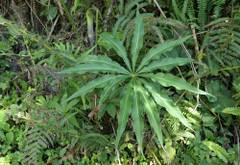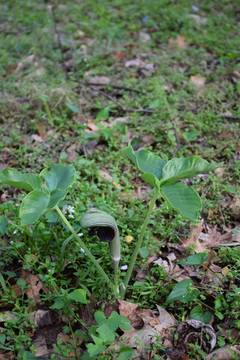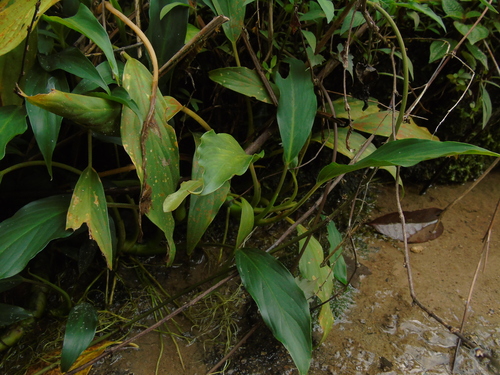
Apoballis, Genus, spp., Multiple species,
- Genus
- Multiple species
Overview
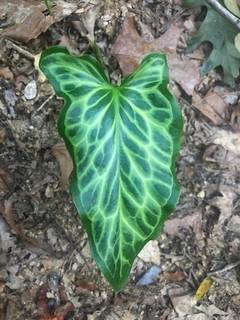
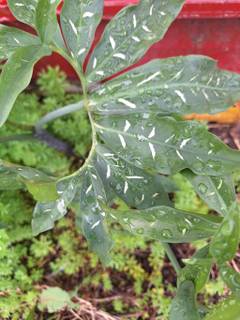
Apoballis is a genus of about 14 evergreen terrestrial aroids in the family Araceae, distributed across the lowland rainforests of Southeast Asia. Plants form low clumps or short creeping rhizomes, generally reaching 8-24 inches (20-60 cm) tall. Leaves are simple and ovate to lance-shaped, 4-14 inches (10-35 cm) long, often dark green above with paler or reddish-purple undersides; in several species such as A. rupestris the blade carries a marbled or satin sheen. The inflorescence follows the aroid pattern: a narrow spathe 1.5-4 inches (4-10 cm) long enclosing a cylindrical spadix, with female flowers at the base and male flowers above, opening through the warm wet months. Fruit is a cluster of small berries. The genus was segregated from Schismatoglottis, and its species occupy shaded streambanks, rock faces, and forest floors from Thailand and peninsular Malaysia through Borneo, Sumatra, and the Philippines. As tropical understory plants they need constant warmth above 60°F (16°C) and high humidity, and they are damaged by frost; outside the tropics they are grown indoors or under heated cover. Sap contains calcium oxalate crystals, which can irritate skin and mucous membranes.
Native Range
Apoballis is native to the lowland tropical rainforests of Southeast Asia, ranging from Thailand and peninsular Malaysia through Sumatra, Borneo, and the Philippines. Species grow on shaded forest floors, streambanks, and damp rock faces below about 3,300 feet (1,000 m).Suggested Uses
Apoballis is grown as a tropical foliage plant in shaded beds, terrariums, and containers in frost-free climates, and as a houseplant elsewhere. Its low, spreading habit suits underplanting beneath taller tropical foliage.How to Identify
Appearance
Size & Dimensions
Height8" - 2'
Width/Spread8" - 1'6"
Bloom Information
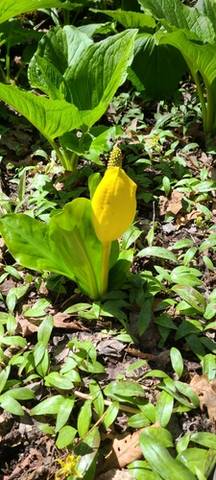
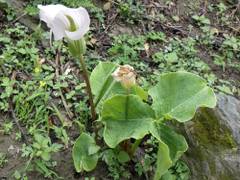
Apoballis flowers during the warm, wet season, typically spring through summer in cultivation. Each inflorescence consists of a pale green to cream spathe enclosing a spadix, with female flowers at the base and male flowers above. The flowering period is brief, and the small berry-like fruits that follow persist longer. Flowers are not strongly scented.
Detailed Descriptions
Flower Description
pale green to creamFoliage Description
dark green above, often reddish-purple beneathGrowing Conditions
Sun Requirements
Tolerates up to 3 hours of direct sunlight daily
• Full Sun: 6+ hours of direct sunlight
• Partial Shade: 3-6 hours of direct sunlight
• Full Shade: Less than 3 hours of direct sunlight
Care & Maintenance
Care Guide
Grow Apoballis in deep to partial shade with consistently moist, humus-rich soil that drains freely. Hold temperatures above 60°F (16°C) and humidity above 60 percent; growth stops and foliage browns when air is dry or cold. Water to keep the root zone evenly damp but not waterlogged, reducing slightly in winter. Feed monthly through the growing season with a dilute balanced fertilizer. Most species fail below 50°F (10°C) and are killed by frost, so in temperate regions they are kept as houseplants or in heated greenhouses.Pruning
Apoballis needs little pruning beyond removing spent leaves and faded inflorescences at the base. Clumps can be divided in spring to control size or to propagate. Cutting back is not required to maintain form.Container Growing
Suitable for container growing
Minimum container size: 1 gallons