Ambrosia, Genus, dumosa, Species,
- Genus & species
Burrobush
Mojave, Sonoran, and Great Basin deserts
Overview
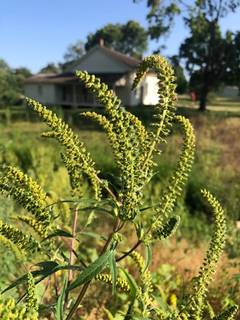
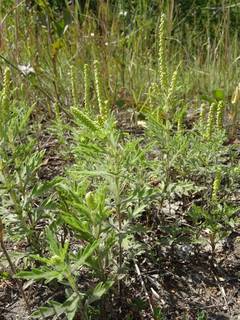
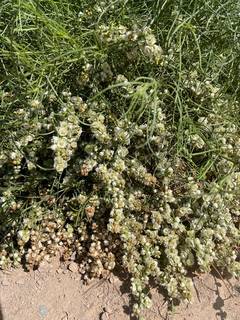
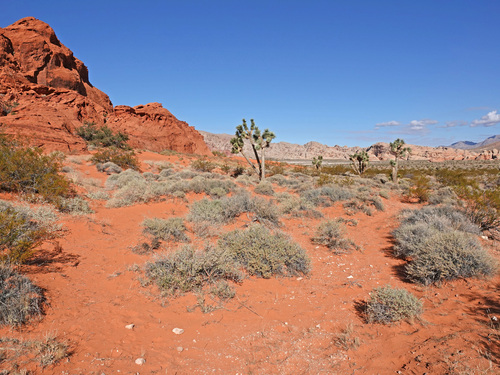
Ambrosia dumosa is a low, rounded, drought-deciduous shrub in the daisy family growing 8-24 inches (20-60 cm) tall and about as wide, with intricately branched, brittle gray stems. The small leaves are 0.4-1 inch (1-2.5 cm) long, gray-green, and deeply divided into rounded lobes, covered in short hairs that reflect light and reduce water loss. Plants drop most of their leaves during drought and releaf after rain. Flowering heads are small, greenish, and wind-pollinated, with separate male and female heads on the same plant; the male heads release abundant pollen in spring and again after summer rains. The female heads ripen into spiny burs 0.1-0.3 inch (3-6 mm) wide that cling to fur and disperse the seed. A. dumosa ranks among the dominant shrubs of the Mojave and Sonoran deserts, often growing with creosote bush across wide flats. It withstands extreme heat and drought but casts little shade and sheds its leaves in dry spells. Its wind-borne pollen is a common cause of seasonal allergies in desert cities.
Native Range
Ambrosia dumosa is native to the deserts of the southwestern United States and northwestern Mexico, including the Mojave, Sonoran, and Great Basin deserts of California, Nevada, Arizona, Utah, and Baja California. It grows on dry flats, bajadas, and rocky slopes.Suggested Uses
Ambrosia dumosa is used in desert restoration, erosion control, and water-wise native plantings on dry, open ground. Its low mounded form and tolerance of harsh soil suit unwatered slopes and roadsides. It shelters desert wildlife and seedlings of other plants, and its seed feeds birds and rodents.How to Identify
Appearance
Size & Dimensions
Height8" - 2'
Width/Spread1' - 3'
Bloom Information
Small greenish wind-pollinated flower heads appear mainly in spring, roughly February to May, and again after summer monsoon rains. The flowers have no petals and rely on wind rather than insects, releasing large amounts of pollen. Spiny burs form on the female heads through late spring and summer.
Detailed Descriptions
Foliage Description
gray-greenGrowing Conditions
Sun Requirements
Requires 8-12 hours of direct sunlight daily
• Full Sun: 6+ hours of direct sunlight
• Partial Shade: 3-6 hours of direct sunlight
• Full Shade: Less than 3 hours of direct sunlight