Alnus, Genus, serrulata, Species,
- Genus & species
smooth alder
Overview
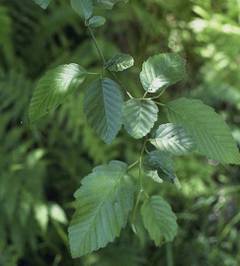
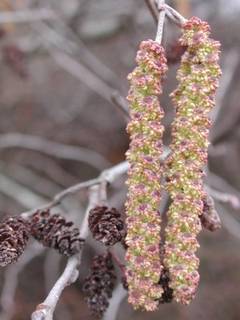
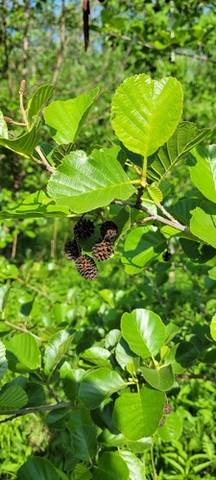
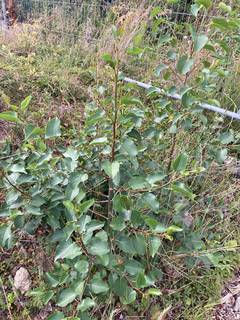
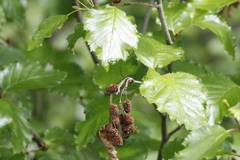
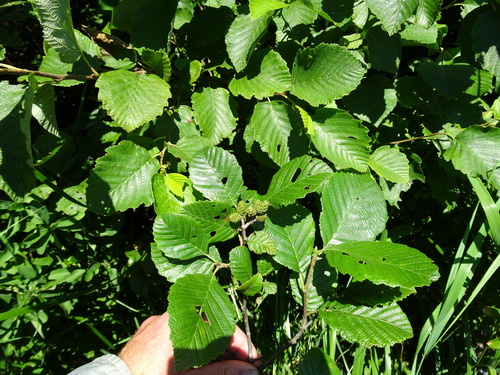
Alnus serrulata, smooth or hazel alder, is a deciduous, multi-stemmed shrub or small tree of eastern North American wetlands, usually 10-20 feet (3-6 m) tall and forming dense, suckering clumps along water. The oval to obovate leaves are 2-4 inches (5-10 cm) long, dark green, finely toothed, and rounded at the tip, turning yellow-brown in fall with little color. Male catkins form in late summer, hang through winter, and lengthen to release pollen in late winter or early spring before the leaves, while the small reddish female catkins ripen into woody, cone-like structures about 0.5-0.75 inch (1.2-2 cm) long that persist on the bare stems. Like other alders, its roots host bacteria that fix nitrogen, letting it grow on poor, wet soils and enrich the ground for other plants. It is native to swamps, streambanks, and wet thickets from Maine and Ontario south to Florida and Texas. The shrub tolerates flooding, mucky soil, and partial shade, but it suckers into thickets, is short-lived for a woody plant, and shows only muted fall color, so it suits naturalized wet ground rather than formal beds.
Native Range
Alnus serrulata is native to eastern North America, from Maine and southern Ontario south to Florida and west to Texas and Oklahoma. It grows along streams, in swamps, and in wet thickets and ditches, often forming dense stands at the water edge.Suggested Uses
Alnus serrulata is used for streambank stabilization, wetland and riparian restoration, and screening on wet ground. Its early catkins feed bees, the seeds draw birds, and the thicket shelters wildlife.How to Identify
Appearance
Size & Dimensions
Height10' - 20'
Width/Spread10' - 15'
Bloom Information
Catkins open in late winter to early spring, often February to April, before the leaves expand. The drooping yellow-brown male catkins shed pollen while the small reddish female catkins stand upright. The woody fruits that follow mature by fall and remain on the stems through winter.
Detailed Descriptions
Flower Description
yellow-brown and reddish catkinsFoliage Description
dark green, yellow-brown in fallGrowing Conditions
Sun Requirements
Requires 4-10 hours of direct sunlight daily
• Full Sun: 6+ hours of direct sunlight
• Partial Shade: 3-6 hours of direct sunlight
• Full Shade: Less than 3 hours of direct sunlight
Care & Maintenance
Care Guide
Grow Alnus serrulata in full sun to part shade in wet to moist soil with a pH of about 5.0 to 7.0; it tolerates standing water and seasonal flooding. Its nitrogen-fixing roots let it grow in poor, boggy ground where many woody plants fail, and it needs no fertilizer. The plant suckers into thickets, so it needs room near ponds, ditches, and streams rather than tight beds. Plants establish quickly from seed or cuttings in damp ground. Little care is needed once sited in suitable wet soil.Pruning
Prune in late winter to remove dead, weak, or crowded stems and to shape the multi-stemmed clump. Cutting older stems to the ground renews the thicket and controls size. Suckers can be removed to limit spread.Pruning Schedule
Prune: February–March
winter