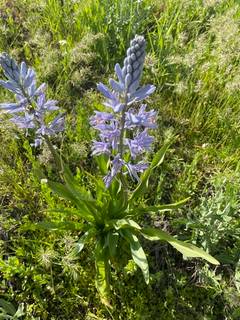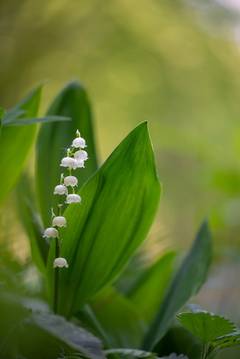
Albuca, Genus, spp., Multiple species,
- Genus
- Multiple species
slimelilies
Africa, mainly southern Africa, and the Arabian Peninsula
Overview
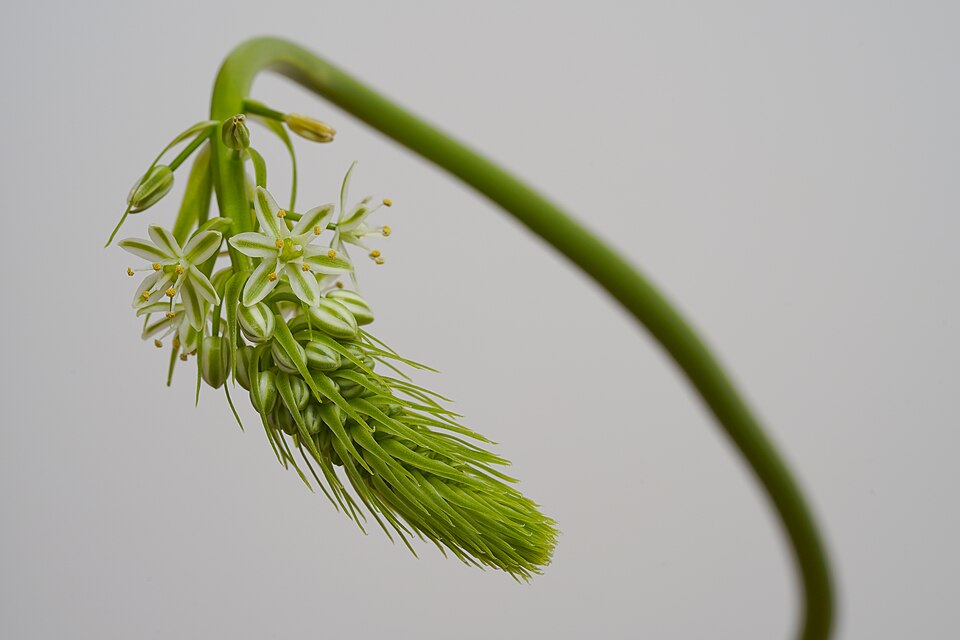
Albuca is a genus of roughly 100 to 160 bulbous perennials in the asparagus family (Asparagaceae), native mainly to southern and eastern Africa with a few species on the Arabian Peninsula. The plants grow from rounded bulbs and send up basal leaves that range from broad straps to thread-like, and in A. spiralis curl into tight corkscrews. In spring most species raise erect flowering stems 20-100 cm (8-39 in) tall carrying loose racemes of nodding or upward-facing flowers. The flowers are typically yellow or greenish-white, each tepal marked with a green or brown central stripe; the three inner tepals often stay folded over the stamens while the outer three spread, and several species carry a light scent. After flowering the bulbs of many species enter dormancy and the leaves die back, with winter-growing Cape species and summer-growing species differing in their resting season. The bulbs of several species contain bufadienolide cardiac glycosides and are toxic if eaten. The genus is adapted to seasonally dry climates and needs sharp drainage and a dry rest period.
Native Range
Albuca is native to Africa, with the greatest diversity in South Africa and additional species through tropical and north-eastern Africa and into the Arabian Peninsula. Species grow in grassland, scrub, and rocky places, often in seasonally dry climates.Suggested Uses
Albuca species are grown in rock gardens, gravel beds, and dry borders in mild climates, and widely in containers and bulb collections elsewhere. The coiled-leaved spiral albuca is grown as a curiosity for its corkscrew foliage. Flowers draw bees and other pollinators in spring.How to Identify
Appearance
Size & Dimensions
Height8" - 3'3"
Width/Spread4" - 1'
Bloom Information
Most species flower in spring, raising racemes of green-striped yellow or white flowers over three to five weeks. Winter-growing species may flower from late winter, and summer-growing species later in the year. The faint scent of some species is strongest in the evening.
Detailed Descriptions
Flower Description
yellow or white with green stripesFoliage Description
green to grey-greenGrowing Conditions
Sun Requirements
Requires 5-8 hours of direct sunlight daily
• Full Sun: 6+ hours of direct sunlight
• Partial Shade: 3-6 hours of direct sunlight
• Full Shade: Less than 3 hours of direct sunlight
Water & Climate
Water Needs
Drought Tolerance
Drought tolerant when established
Care & Maintenance
Care Guide
Plants grow in full sun to light shade on sandy, sharply drained soil at a pH of 6.0-7.5. Bulbs are watered through the growing season and kept dry during dormancy, when overwatering causes rot. Most species are frost-tender, hardy to about USDA zone 8, and are grown in containers or lifted where winters are colder. A dry rest period suited to each species, winter- or summer-growing, supports reliable flowering. Established plants tolerate drought while in leaf and need little feeding.Pruning
No pruning is needed beyond removing spent flower stems after bloom. Faded leaves are left to die back naturally so the bulb can recharge, then cleared once brown. Offsets can be separated during dormancy to increase stock.Container Growing
Suitable for container growing
Minimum container size: 1 gallons