Agastache, Genus,
- Genus
hyssops
Overview
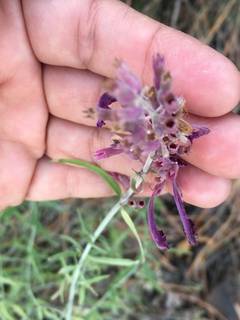
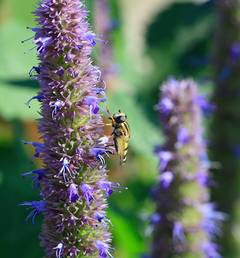
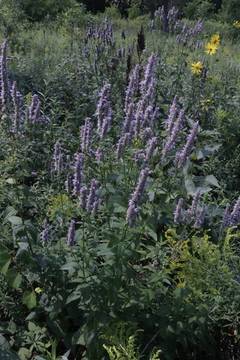
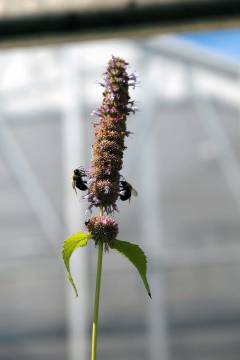
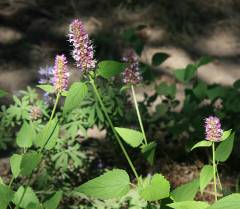
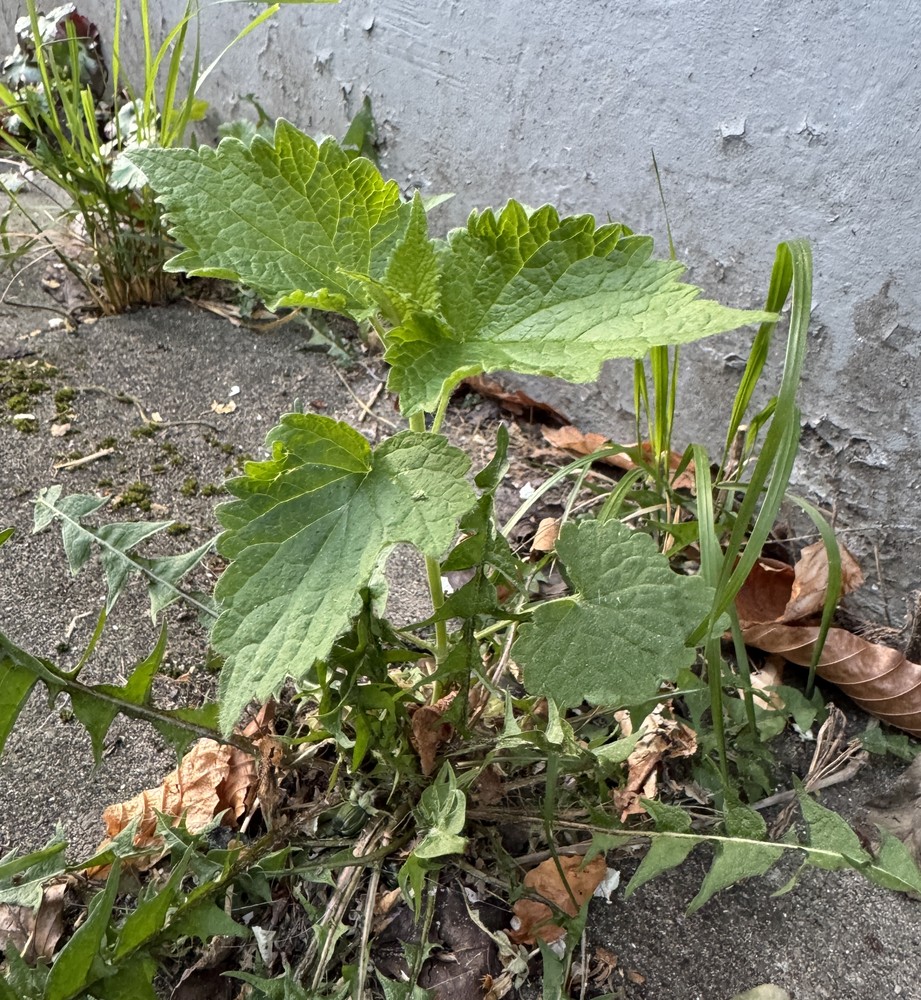
Agastache is a genus of about 22 species of aromatic perennials in the mint family (Lamiaceae), native to North America and East Asia. Plants form upright clumps of square stems 1.5–5 feet (0.5–1.5 m) tall, with opposite, toothed leaves 1–4 inches (2.5–10 cm) long that release a scent of anise, mint, or root beer when crushed. Tubular two-lipped flowers, 0.3–0.6 inch (8–15 mm) long, crowd into dense terminal spikes 3–10 inches (8–25 cm) long, in blue, violet, pink, orange, or white. Bloom runs through summer into fall and draws bees, butterflies, and hummingbirds. North American species such as A. foeniculum and A. rupestris tolerate dry, lean soils, while East Asian A. rugosa grows in moister ground. Plants are short-lived, often 3–4 years, but self-seed where conditions suit them. Foliage dies back to a basal crown in winter in cold zones.
Native Range
Native to North America and East Asia. North American species range from Canada south through the United States into Mexico, in prairies, rocky slopes, and open woodland; A. rugosa and its relatives grow in China, Korea, and Japan. Found from sea level to about 9,000 feet (2,700 m) in well-drained sites.Suggested Uses
Grown in perennial borders, herb gardens, pollinator plantings, and containers, spaced 18–24 inches (45–60 cm) apart. Leaves of A. foeniculum and A. rugosa are used fresh or dried for tea. The upright spikes are cut for fresh and dried arrangements.How to Identify
Appearance
Size & Dimensions
Height1'6" - 5'
Width/Spread1' - 3'
Bloom Information
Flowering runs from early summer through fall, generally June to September, continuing until frost in mild regions. Spikes open from the base upward over 6–10 weeks, and removing faded spikes extends bloom. Heat and full sun lengthen the flowering period, while cool, wet summers shorten it.
Detailed Descriptions
Flower Description
blue, violet, pink, orange, to whiteFoliage Description
green to gray-greenGrowing Conditions
Sun Requirements
Requires 6-10 hours of direct sunlight daily
• Full Sun: 6+ hours of direct sunlight
• Partial Shade: 3-6 hours of direct sunlight
• Full Shade: Less than 3 hours of direct sunlight
Care & Maintenance
Care Guide
Grows in full sun and lean, sharply drained soil with low to moderate water once established. Wet winter soil is the main cause of death; raised beds and gritty soil reduce losses. Most species tolerate drought, heat, and poor ground but decline in heavy clay. Plants are short-lived, persisting 3–4 years, and renew themselves by self-sown seedlings. Powdery mildew and root rot occur in humid or poorly drained conditions. Downy mildew affects some hybrids in wet climates.Pruning
Cut stems back to the basal crown in late fall or early spring. Shearing spent flower spikes during summer prolongs bloom and reduces self-seeding. In cold zones, top growth left over winter protects the crown, with cutting done in spring.Container Growing
Suitable for container growing
Minimum container size: 3 gallons