Image 1 of 7
1 / 7
Plant Reference
Agastache, Genus, spp., Multiple species,
- Genus
- Multiple species
hyssop
North America (majority); East Asia (smaller number of species)
Overview
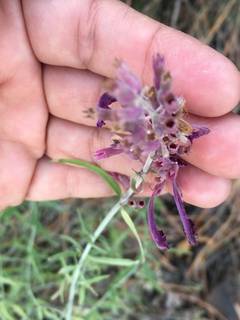
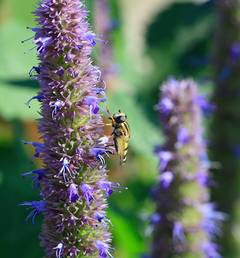
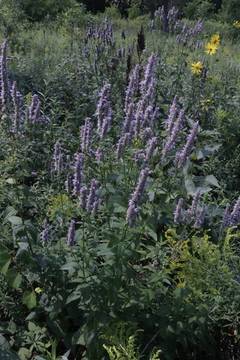
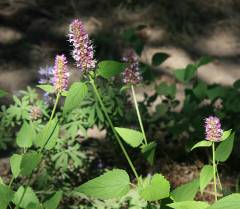
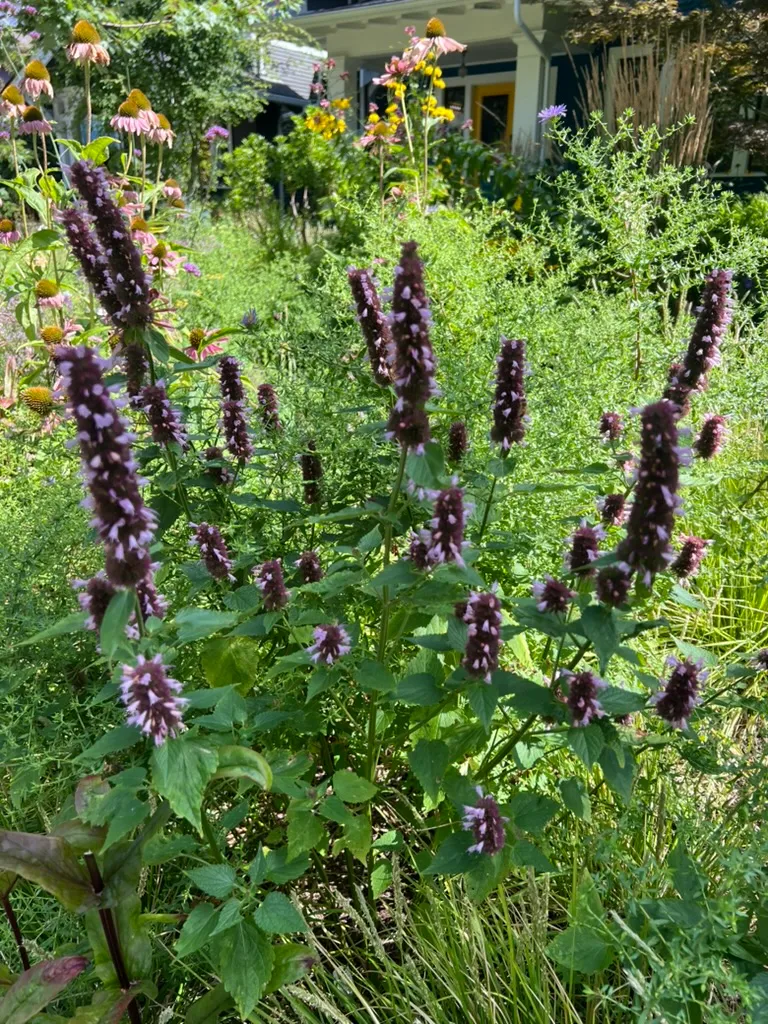
Agastache is a genus of approximately 30 aromatic perennials in the family Lamiaceae, commonly known as hyssops, giant hyssops, or hummingbird mints. Plants reach 24-48 inches (60-120 cm) tall and 18-24 inches (45-60 cm) wide in an upright clumping habit carried on the square stems characteristic of the mint family. Most species are native to North America, with the majority of garden species from the Great Plains and the Rocky Mountains south into Mexico; a smaller number of species are native to East Asia. Dense bottlebrush-like flower spikes 3-8 inches (8-20 cm) long carry tubular flowers from midsummer through fall, a flowering span that covers approximately 14-20 weeks and places the genus among the late-season high-output perennials. Flower colors span lavender-blue (A. foeniculum), orange (A. aurantiaca), coral-pink (A. 'Kudos Coral'), and purple (A. 'Blue Fortune'). Foliage is aromatic, with anise-scented leaves in A. foeniculum and mint-scented leaves in several other species. Drought tolerance develops after establishment. Hardiness varies by species: A. foeniculum to USDA zone 4; A. aurantiaca and its hybrids to zone 5-6; A. rupestris to zone 5. Individual plants are typically short-lived (3-4 years); self-seeding and replacement sustain the planting over time. Non-toxic.
Native Range
Agastache species are native primarily to North America, with the majority of garden-worthy species from the Great Plains, the Rocky Mountains, and the mountains of Mexico. A smaller number of species are native to East Asia.Suggested Uses
Planted in perennial borders, pollinator gardens, herb gardens, cottage gardens, and meadow plantings at 18-24 inch (45-60 cm) spacing. The 14-20 week bloom window covers the late-season gap when many spring and early summer perennials have passed. Hummingbird and pollinator visitation is continuous through the flowering window. Aromatic foliage of anise-scented species supports herbal-tea use (A. foeniculum). Cut stems last well as cut flower. Wet and poorly drained sites fall outside the use range because of crown rot.How to Identify
Appearance
Size & Dimensions
Height2' - 4'
Width/Spread1'6" - 2'
Bloom Information
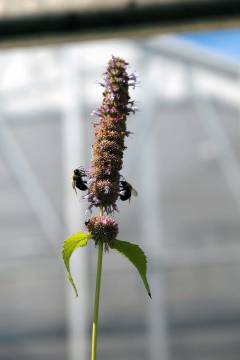
Dense bottlebrush-like spikes 3-8 inches (8-20 cm) long carrying tubular flowers in lavender-blue, orange, coral-pink, purple, or white depending on species and cultivar, borne from midsummer through late fall over approximately 14-20 weeks. Hummingbirds and a wide range of bees and butterflies visit the flowers through the window. Dried seed heads persist into winter and feed finches and other small seed-eating birds.
Detailed Descriptions
Flower Description
Lavender-blue, orange, coral-pink, purple, or white depending on species and cultivar; dense bottlebrush spikes 3-8 inches (8-20 cm) of small tubular flowers; midsummer through fallFoliage Description
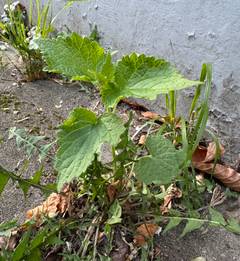
Medium green; aromatic (anise-scented in A. foeniculum, mint-scented in others); ovate; carried on square mint-family stems; deciduousGrowing Conditions
Sun Requirements
Requires 6-10 hours of direct sunlight daily
• Full Sun: 6+ hours of direct sunlight
• Partial Shade: 3-6 hours of direct sunlight
• Full Shade: Less than 3 hours of direct sunlight
Care & Maintenance
Care Guide
Grows in full sun in well-drained soil at pH 6.0-7.5. Hardiness varies by species (USDA zones 4-8). Sharp drainage is the main site requirement because winter wet produces crown rot on heavy clay and poorly drained sites; the genus is unsuited to those conditions. Lean to moderate fertility suits the plants, and high-fertility sites reduce flowering and shorten the already short perennial lifespan. Drought tolerance develops after establishment. A cutback to 4-6 inches (10-15 cm) in early spring once new growth appears at the base resets the plant each season. Deadheading limits self-seeding when volunteers are not wanted; leaving seed heads supports winter bird use. Individual plants live 3-4 years; replacement or self-seeding sustains the planting.Pruning
A cutback to 4-6 inches (10-15 cm) in early spring after new growth appears at the base is the annual reset. Deadheading limits self-seeding when volunteers are unwanted; seed heads left standing support winter finches. Replacement every 3-4 years or self-seeded succession sustains the planting in longer-term designs.Pruning Schedule
Prune: March–April
early spring
Container Growing
Suitable for container growing
Minimum container size: 3 gallons