Aesculus, Genus, chinensis, Species,
- Genus & species
Chinese horse chestnut
Northern and central China (Shaanxi, Henan, Hebei, Shandong provinces)
Overview
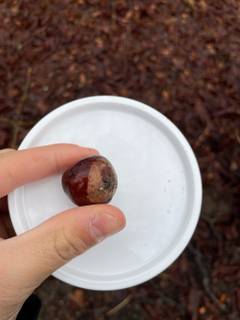
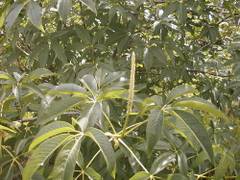
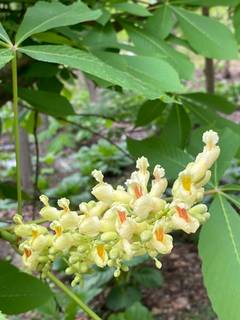
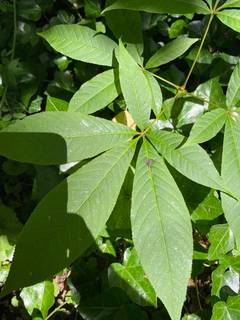
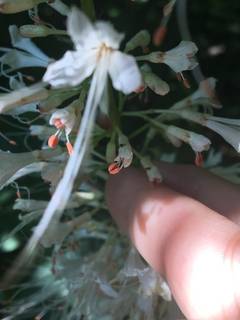
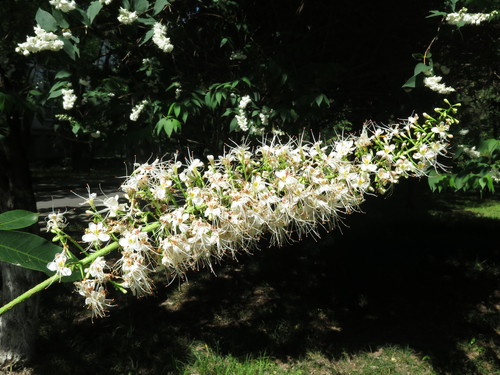
Aesculus chinensis is a deciduous tree reaching 40–75 feet (12–23 m) tall with a broadly rounded crown spreading 30–50 feet (9–15 m) wide. Bark is gray-brown and furrowed on mature specimens. Palmate leaves have 5–7 oblong-elliptic leaflets, each 4–8 inches (10–20 cm) long, dark green above with a yellow-green underside and serrate margins. Upright, cylindrical flower panicles 8–12 inches (20–30 cm) long and 2–3 inches (5–8 cm) wide bear small white flowers with red-tipped stamens in June. Fruits are globe-shaped, 1–1.5 inches (2.5–4 cm) in diameter, with smooth husks lacking the spines typical of A. hippocastanum, ripening to brown in September–October and containing 1–2 glossy brown seeds. Growth rate averages 12–24 inches (30–60 cm) annually in youth. All parts are toxic if ingested. Rarely encountered outside arboreta and botanical garden collections in North America.
Native Range
Native to northern and central China, occurring in Shaanxi, Henan, Hebei, and Shandong provinces. Found in mixed deciduous forests, forest margins, and valley bottoms at elevations from 300–1,800 feet (90–550 m).Suggested Uses
Planted as a large specimen in parks, arboreta, and large-scale landscapes. Smooth fruit husks — compared to spiny A. hippocastanum — reduce litter concerns on pedestrian surfaces. Mature height of 40–75 feet (12–23 m) and spread of 30–50 feet (9–15 m) restrict use to large-scale sites. Rarely available in general nursery trade in North America.How to Identify
Appearance
Size & Dimensions
Height40' - 75'
Width/Spread30' - 50'
Bloom Information
Blooms June through early July in zones 5–7; later than most other cultivated Aesculus species. Individual panicles remain open for 10–14 days. Total bloom period spans 3–4 weeks. Reliable bloom requires 5–7 years of establishment.
Detailed Descriptions
Flower Description
White with red-tipped stamensFoliage Description
Dark green above, yellow-green belowGrowing Conditions
Sun Requirements
Requires 4-12 hours of direct sunlight daily
• Full Sun: 6+ hours of direct sunlight
• Partial Shade: 3-6 hours of direct sunlight
• Full Shade: Less than 3 hours of direct sunlight
Care & Maintenance
Care Guide
Water consistently during the first 2–3 growing seasons; established trees tolerate occasional dry periods but perform better with regular moisture. Leaf scorch occurs on dry, exposed sites in zones 7–8 during hot summers. No major pests or diseases are documented in North American cultivation; the limited planting history means long-term susceptibility is not fully established. Structural pruning when young establishes a central leader and sound branch architecture. Canopy spread of 30–50 feet (9–15 m) requires spacing from structures and utilities determined at planting.Pruning
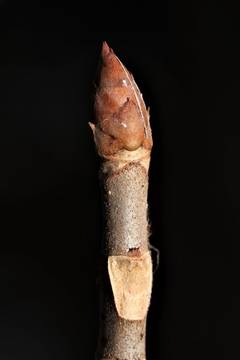
Prune in late fall after leaf drop through late winter before bud swell. Remove structurally weak or crossing branches when young to establish framework. No deadheading is practical at mature scale. Root suckers, if present, should be removed at soil level.Pruning Schedule
Prune: November–February
fallwinter