Aesculus, Genus, californica, Species,
- Genus & species
California buckeye
California Coast Ranges, Sierra Nevada foothills, and interior valleys below 4,000 feet (1,200 m) elevation
Overview
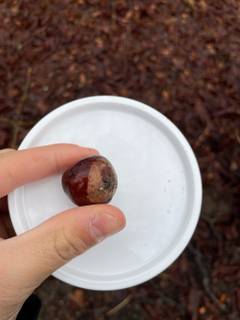
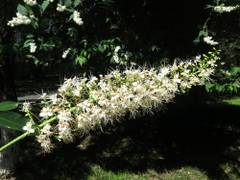
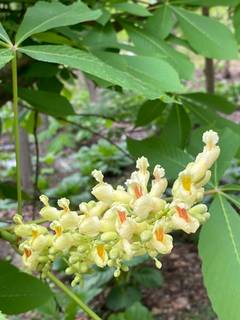
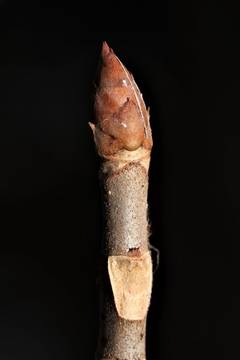
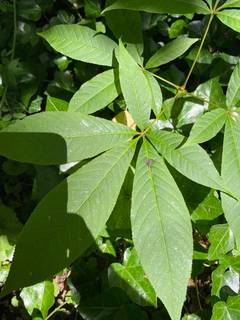
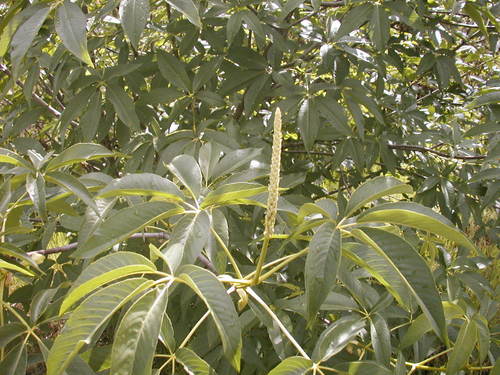
Aesculus californica is a deciduous tree or large multi-stemmed shrub reaching 10–20 feet (3–6 m) tall with a broad rounded crown spreading 15–30 feet (4.5–9 m) wide. Trunk bark is pale gray and smooth on young wood and develops shallow furrows with age. Leaves are palmately compound with 5–7 leaflets, each 3–6 inches (8–15 cm) long, dark green above and pale below, with finely toothed margins. Unlike most deciduous trees in temperate gardens, this species drops its leaves in midsummer as soil moisture declines and enters dormancy from July through October; leaves re-emerge in late winter to early spring, ahead of most other deciduous trees. Fragrant white to pale pink flowers are carried in upright cylindrical spikes 4–8 inches (10–20 cm) long in May and June. Pear-shaped fruits 1–2 inches (2.5–5 cm) long with a leathery husk follow in fall, each enclosing one to two smooth brown seeds 1–1.5 inches (2.5–4 cm) across. All parts contain aesculin and related glycosides and saponins; the seeds, leaves, and nectar are toxic to humans, dogs, and livestock, and the nectar and pollen are toxic to non-native European honey bees though not to native Aesculus-adapted bees. Limitation: trees planted in lawns or sites with summer irrigation decline over 3–5 years because sustained summer moisture disrupts the natural drought-dormancy cycle and promotes root crown rot.
Native Range
Native to California, occurring in the Coast Ranges, Sierra Nevada foothills, and interior valleys below 4,000 feet (1,200 m) elevation, in dry canyons, chaparral margins, and oak woodland understory where summer drought is pronounced.Suggested Uses
Used as a specimen tree in Mediterranean-climate gardens, California native plant landscapes, and dry slope plantings at 20–30 foot (6–9 m) spacing from other trees. The summer dormancy period, during which trees carry bare branches from July through October, is part of the seasonal cycle at the planting site. The spread of 15–30 feet (4.5–9 m) requires at least 15 feet (4.5 m) clearance from structures and paved surfaces. Lawns, irrigated beds, and sites with summer rainfall without sharp drainage are unsuitable.How to Identify
Appearance
Size & Dimensions
Height10' - 20'
Width/Spread15' - 30'
Bloom Information
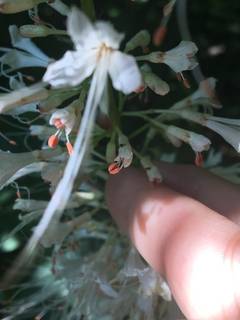
White to pale pink fragrant flowers open in May and June in the native range, progressing from the base of the spike upward over 3–4 weeks. Total bloom period spans 4–6 weeks. The flowers are visited by hummingbirds and bees. Reliable bloom begins when trees are 3–4 years established.
Detailed Descriptions
Flower Description
white to pale pink; in upright cylindrical spikes 4-8 inches (10-20 cm) longFoliage Description
dark green above, pale green below; palmate with 5-7 leaflets each 3-6 inches (8-15 cm) long; absent from July through October during summer dormancyGrowing Conditions
Sun Requirements
Requires 6-12 hours of direct sunlight daily
• Full Sun: 6+ hours of direct sunlight
• Partial Shade: 3-6 hours of direct sunlight
• Full Shade: Less than 3 hours of direct sunlight
Care & Maintenance
Care Guide
Site in full sun with 6–12 hours of direct sun per day in well-drained soil with a pH of 6.0–8.0. Established trees in Mediterranean-climate sites matching the native California range require no supplemental irrigation and tolerate 4–5 months without rain. In Pacific Northwest and eastern United States plantings with summer rainfall, drainage must be sharp to limit the risk of root crown rot. Trees sited in lawns or beds receiving summer irrigation decline over 3–5 years because sustained summer moisture disrupts the natural dormancy cycle. Spider mites and aphids may appear on drought-stressed trees in hot dry conditions. New foliage emerging in late winter may sustain frost damage during cold snaps in zones 6–7. Hardy in USDA zones 6–10.Pruning
Pruning is carried out in late fall after leaf drop or in early spring before new growth emerges. Crossing or structurally weak branches can be removed in the first 5 years to establish a sound branch framework. Large branches pruned during the growing season bleed sap; dormant-season cuts reduce this. Deadheading is not required.Pruning Schedule
Prune: November–February
winterearly spring