Image 1 of 8
1 / 8
Plant Reference
Aesculus, Genus, ×, Hybrid, carnea, Species, 'Briotii', Cultivar,
- Genus & species
- Hybrid
- Cultivar
red horse chestnut
Hybrid of garden origin — Aesculus hippocastanum (Balkans) × Aesculus pavia (southeastern United States); first recorded in the mid-1800s
Overview
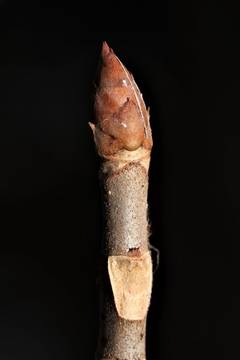
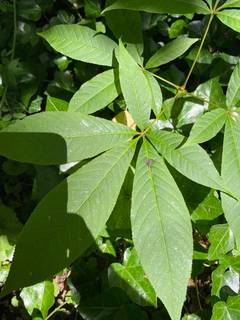
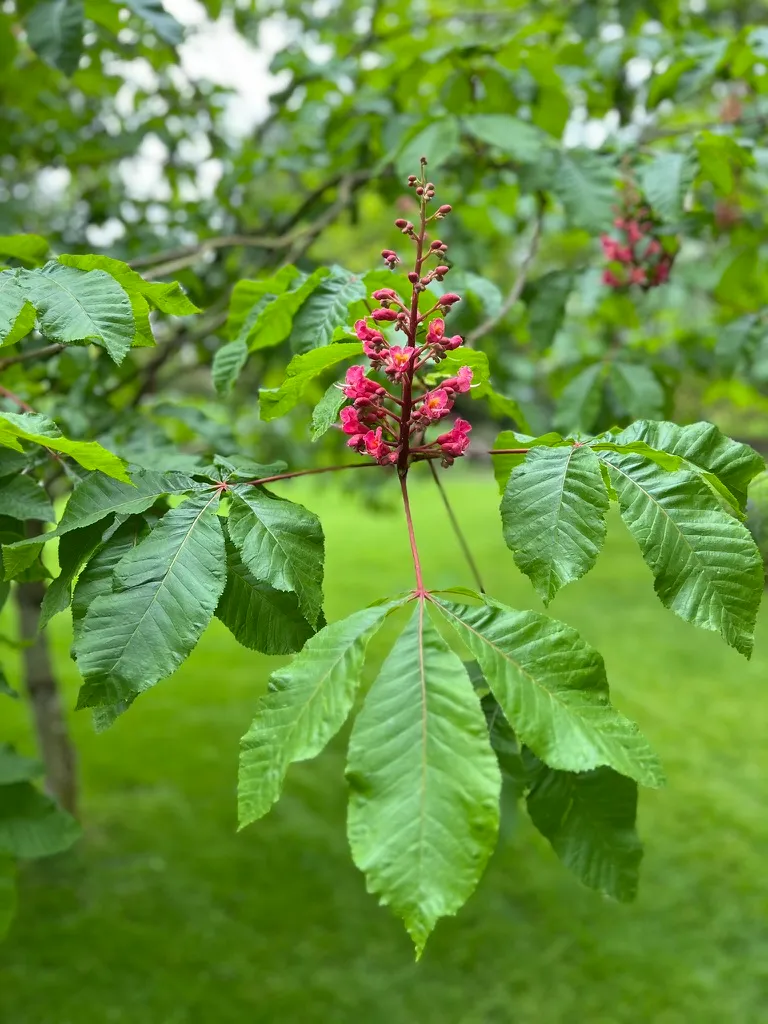
Aesculus × carnea 'Briotii' is red horse chestnut, a deciduous tree growing 30-40 feet (9-12 m) tall and 20-30 feet (6-9 m) wide with a dense rounded canopy. Ruby-red flowers in erect conical panicles (candles) 8-10 inches (20-25 cm) in May-June. Dark green glossy palmately compound leaves with 5 leaflets, each 5-10 inches (13-25 cm) long. Turns yellow-brown in fall. In Sapindaceae. Hybrid — A. hippocastanum (Balkans) × A. pavia (southeastern United States). 'Briotii' is a selection with deeper red flowers than the hybrid type. Smaller than A. hippocastanum (30-40 feet / 9-12 m vs. 50-75 feet / 15-23 m). Less susceptible to leaf blotch (Guignardia aesculi) than A. hippocastanum — the foliage holds better into fall. Produces fewer and smaller spiny fruit husks than the common horse chestnut. Does not tolerate drought — leaf scorch and premature leaf drop in dry conditions. This drought sensitivity is the primary limitation. All parts toxic — seeds, leaves, and bark contain saponins and glycosides. Toxic to pets and humans. Zones 4-8. Full sun to partial shade. Growth rate is moderate.
Native Range
Hybrid of garden origin. The parents are A. hippocastanum (native to the Balkans) and A. pavia (native to the southeastern United States). First recorded in the mid-1800s.Suggested Uses
Grown as a specimen tree in parks, large residential gardens, and institutional grounds spaced 20-30 feet (6-9 m) from adjacent plants. Ruby-red spring flower candles. Smaller alternative to A. hippocastanum. All parts toxic. Zones 4-8.How to Identify
Appearance
Size & Dimensions
Height30' - 40'
Width/Spread20' - 30'
Colors
Bloom Information
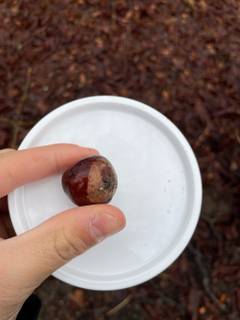
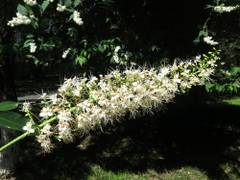
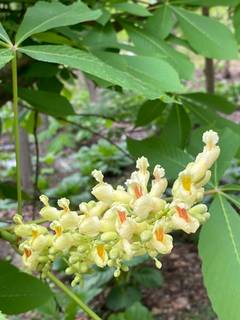
Late spring (May-June). Ruby-red flowers in erect conical panicles (candles) 8-10 inches (20-25 cm). 4 weeks of bloom. Bee- and hummingbird-pollinated. Spiny fruit husks split in October.
Detailed Descriptions
Flower Description
Ruby-red, in erect conical panicles (candles) 8-10 inches (20-25 cm) tallFoliage Description
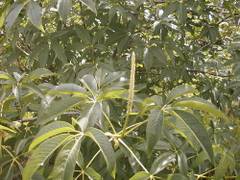
Dark green and glossy, palmately compound with 5 leaflets, each leaflet 5-10 inches (13-25 cm) long; turns yellow-brown in fall — fall color is unremarkableGrowing Conditions
Sun Requirements
Requires 4-8 hours of direct sunlight daily
• Full Sun: 6+ hours of direct sunlight
• Partial Shade: 3-6 hours of direct sunlight
• Full Shade: Less than 3 hours of direct sunlight
Care & Maintenance
Care Guide
Full sun to partial shade (4-8 hours). Well-drained soil pH 5.5-7.5. Not drought-tolerant — leaf scorch in dry conditions. Less susceptible to leaf blotch than A. hippocastanum. Prune in winter dormancy only. All parts toxic to pets and humans. Zones 4-8.Pruning
Prune only during winter dormancy (November-February). Remove dead, crossing, or damaged branches. Develop a strong central leader when young. The dense rounded canopy is the natural form — minimal pruning needed at maturity.Pruning Schedule
Prune: November–February
winter