Aesculus, Genus, flava, Species,
- Genus & species
yellow buckeye
Eastern United States (Appalachian region)
Overview
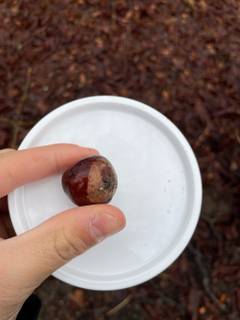
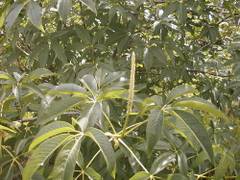
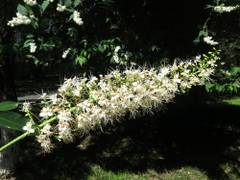
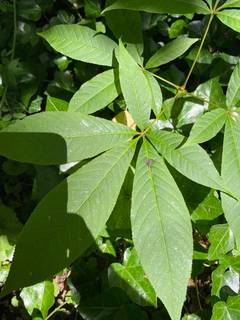
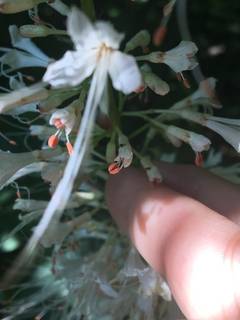
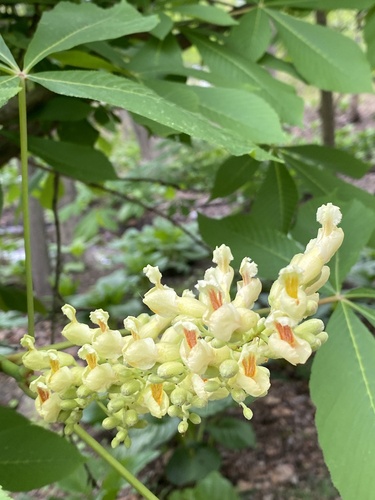
Aesculus flava is an upright deciduous tree reaching 50–75 feet (15–23 m) tall with a rounded crown 30–50 feet (9–15 m) wide. Trunks develop smooth, gray bark when young, becoming platy and exfoliating in irregular patches on mature specimens. Leaves are palmately compound with 5 leaflets, each 4–8 inches (10–20 cm) long, elliptic, finely serrated, and dark green. Foliage turns orange to pumpkin-yellow in fall, typically coloring in October in zones 5–6. Erect flower panicles 5–7 inches (13–18 cm) long appear in April–May, composed of yellow to yellow-green tubular flowers. Fruit capsules are smooth (lacking spines), round, 2–3 inches (5–8 cm) in diameter, containing 1–3 glossy brown seeds. Growth rate is moderate, adding 12–24 inches (30–60 cm) annually; trees reach 30 feet (9 m) in approximately 15 years. This species is among the tallest in the genus Aesculus, reaching 90 feet (27 m) in favorable Appalachian habitats. Leaf scorch develops in dry, exposed sites, particularly in zones 7–8, with margins browning by late July. All parts contain aesculin and saponins and are toxic if ingested. Crushed leaves and bark emit a strong, unpleasant odor.
Native Range
Native to the Appalachian region of the eastern United States, from southwestern Pennsylvania south through West Virginia, Kentucky, Tennessee, and into northern Georgia and Alabama. Found in rich, moist cove forests and along stream banks at 1,000–5,000 feet (300–1,500 m) elevation.Suggested Uses
Planted as a shade tree in parks, large residential properties, and naturalized areas at 30–40 foot (9–12 m) spacing. Canopy size requires open sites with adequate root space. Not suited to dry, exposed sites, compacted urban soils, or narrow planting strips.How to Identify
Appearance
Size & Dimensions
Height50' - 75'
Width/Spread30' - 50'
Bloom Information
Detailed Descriptions
Flower Description
Yellow to yellow-greenFoliage Description
Dark green palmately compound leaves with 5 leaflets, turning orange to pumpkin-yellow in fallGrowing Conditions
Sun Requirements
Requires 4-10 hours of direct sunlight daily
• Full Sun: 6+ hours of direct sunlight
• Partial Shade: 3-6 hours of direct sunlight
• Full Shade: Less than 3 hours of direct sunlight
Care & Maintenance
Care Guide
Water deeply every 1–2 weeks during the first 3 growing seasons. Established trees perform in consistently moist soils and decline on dry, exposed sites. Leaf scorch develops during prolonged drought, with leaf margins browning by mid to late summer, particularly in zones 7–8. Japanese beetles feed on foliage in June–July in eastern populations. Leaf blotch (Guignardia aesculi) causes brown patches on foliage from midsummer onward in humid climates. No regular fertilization is needed for established specimens. Trees are intolerant of compacted soils and paved root zones.Pruning
Prune during winter dormancy (November–February) to remove dead, crossing, or structurally weak branches. Develop a central leader in the first 10–15 years. Mature trees require minimal pruning beyond dead wood removal. Water sprouts along the trunk and major limbs can be removed during dormancy.Pruning Schedule
Prune: November–February
winter