Aesculus, Genus, parviflora, Species,
- Genus & species
bottlebrush buckeye
Southeastern United States (Alabama, Georgia, Florida panhandle)
Overview
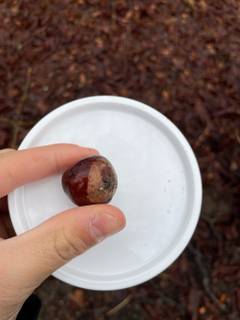
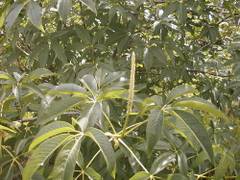
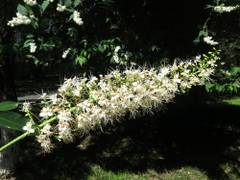
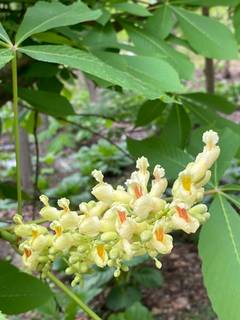
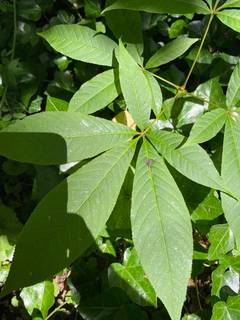
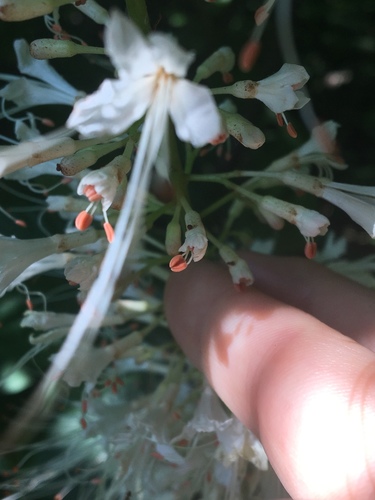
Aesculus parviflora is a broad, suckering deciduous shrub reaching 8–12 feet (2.4–3.6 m) tall and spreading 8–15 feet (2.4–4.5 m) wide or wider through root suckers. Unlike most species in the genus Aesculus, this is a multi-stemmed shrub rather than a single-trunked tree. Leaves are palmately compound with 5–7 leaflets, each 3–8 inches (8–20 cm) long, dark green with finely serrated margins. Foliage turns yellow in fall, typically in October in zones 6–7. Erect, cylindrical flower panicles 8–12 inches (20–30 cm) long appear in June through August, composed of small white flowers with prominent pink to red stamens extending 1–1.5 inches (2.5–4 cm) beyond the petals. Flowers produce a light, sweet fragrance. Fruit capsules are pear-shaped, smooth, 1–1.5 inches (2.5–4 cm) long, containing 1–2 brown seeds. Growth rate is moderate; plants reach full height within 5–8 years. Colonies expand by root suckers at a rate of 1–2 feet (30–60 cm) per year outward, forming broad thickets over time. Suckering can be difficult to contain in small spaces. Leaf scorch develops in full sun during drought. All parts are toxic if ingested.
Native Range
Native to the southeastern United States, restricted primarily to Alabama, Georgia, and the Florida panhandle. Found in rich, moist deciduous forests, stream banks, and bluff habitats at 200–1,500 feet (60–450 m) elevation.Suggested Uses
Commonly planted as a mass planting in woodland gardens, shade borders, and large-scale ground covers at 6–8 foot (1.8–2.4 m) spacing. Suckering habit fills large areas under deciduous tree canopy. Not suited to small gardens or confined spaces where suckering would require constant management.How to Identify
Appearance
Size & Dimensions
Height8' - 12'
Width/Spread8' - 15'
Bloom Information
Flowers June through August in zones 4–8. Bloom begins approximately 6–8 weeks after A. hippocastanum, filling a gap when most Aesculus species have finished flowering. Individual panicles last 2–3 weeks; total bloom period extends about 4 weeks. In zone 8, bloom may begin in late May.
Detailed Descriptions
Flower Description
White with prominent pink to red stamensFoliage Description
Dark green palmately compound leaves with 5-7 leaflets, turning yellow in fallGrowing Conditions
Sun Requirements
Requires 2-8 hours of direct sunlight daily
• Full Sun: 6+ hours of direct sunlight
• Partial Shade: 3-6 hours of direct sunlight
• Full Shade: Less than 3 hours of direct sunlight
Care & Maintenance
Care Guide
Water deeply every 1–2 weeks during the first 2 growing seasons. Established plants require consistent moisture; leaf margins scorch during prolonged drought in exposed sites. Plants tolerate full shade but flower production decreases below 3 hours of direct sun. Suckering colonies expand 1–2 feet (30–60 cm) annually and may encroach on adjacent plantings; root barriers or regular sucker removal limits spread. Leaf blotch (Guignardia aesculi) may develop in humid conditions but is typically less severe than on tree-form Aesculus species. No regular fertilization is required.Pruning
Prune in late winter (February–March) before new growth emerges. Remove dead stems and thin crowded growth to maintain air circulation within the colony. Suckers can be cut at ground level to limit spread, or transplanted to establish new colonies. Rejuvenation pruning to 6–12 inches (15–30 cm) above ground is tolerated every 5–7 years if the colony becomes overgrown.Pruning Schedule
Prune: February–March
late spring