Aesculus, Genus, glabra, Species,
- Genus & species
Ohio buckeye
Overview
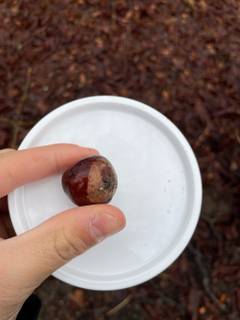
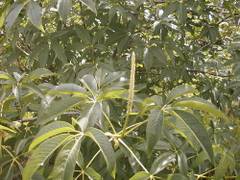
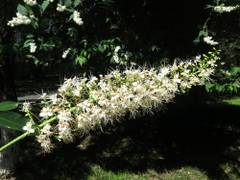
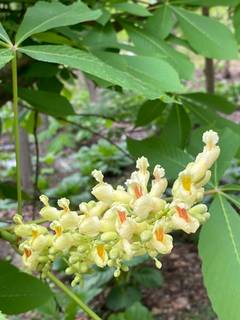
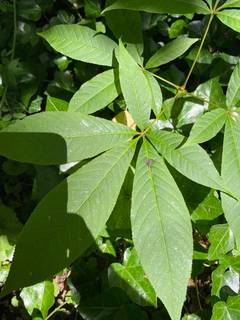
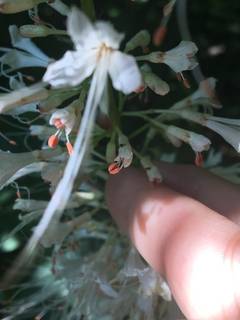
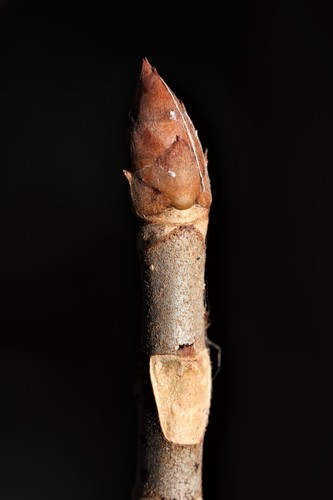
Aesculus glabra is a medium-sized deciduous tree reaching 30–50 feet (9–15 m) tall with a rounded to broadly oval crown 30–40 feet (9–12 m) wide. Trunks develop rough, deeply fissured bark with corky plates on older specimens. Leaves are palmately compound with 5 leaflets (occasionally 7), each 3–6 inches (8–15 cm) long, elliptic, and finely serrated. Crushed leaves and broken twigs emit a strong, unpleasant odor. Foliage is among the first to emerge in spring and among the first to color in fall, turning orange-yellow as early as September in zones 4–5 before dropping by mid-October. Erect flower panicles 4–6 inches (10–15 cm) long appear in April–May, composed of greenish-yellow flowers. Fruit capsules are round, 1–2 inches (2.5–5 cm), covered with short, blunt spines, containing 1–2 glossy brown seeds. Growth rate is moderate at 12–18 inches (30–45 cm) annually. Leaf scorch and premature defoliation are common by late summer in dry, exposed sites, leaving trees bare for 2–3 months before normal dormancy. All parts are toxic if ingested, and handling the spiny fruit capsules may cause skin irritation in sensitive individuals.
Native Range
Native to the central and eastern United States, ranging from western Pennsylvania west to Iowa and Nebraska, south to central Texas, Oklahoma, and Alabama. Found along streams, river bottoms, and moist lowland forests at 500–2,500 feet (150–750 m) elevation.Suggested Uses
Planted as a shade tree in parks, residential yards, and naturalized areas at 25–35 foot (7.5–10.5 m) spacing. Tolerates partial shade and moist bottomland conditions. Not suited to dry, exposed sites or high-traffic urban areas due to early defoliation, fruit litter, and foliage odor when damaged.How to Identify
Appearance
Size & Dimensions
Height30' - 50'
Width/Spread30' - 40'
Bloom Information
Detailed Descriptions
Foliage Description
Medium green palmately compound leaves with 5 leaflets, turning orange-yellow in fallGrowing Conditions
Sun Requirements
Requires 4-10 hours of direct sunlight daily
• Full Sun: 6+ hours of direct sunlight
• Partial Shade: 3-6 hours of direct sunlight
• Full Shade: Less than 3 hours of direct sunlight
Care & Maintenance
Care Guide
Water deeply every 1–2 weeks during the first 3 growing seasons. Established trees require consistently moist soil; leaf scorch and premature defoliation occur during dry summers, often by late July in zones 6–7. Japanese beetles feed on foliage in June–July across the eastern range. Leaf blotch (Guignardia aesculi) is common, causing brown patches that accelerate leaf drop. Trees are among the first to defoliate in fall, sometimes as early as September, which limits canopy duration. No regular fertilization is needed. Trees decline in compacted or poorly drained soils.Pruning
Prune during winter dormancy (November–February) to establish a central leader and remove crossing or dead branches. Structural pruning in the first 10–15 years develops a balanced canopy. Mature trees require minimal pruning. Suckers at the base can be removed annually if present.Pruning Schedule
Prune: November–February
winter