Aesculus, Genus, spp., Multiple species,
- Genus
- Multiple species
buckeyes and horse-chestnuts
Temperate North America, southeastern Europe, and eastern Asia
Overview
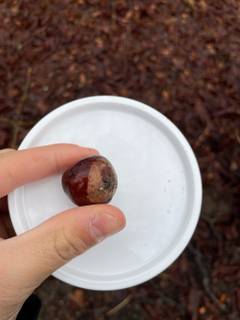
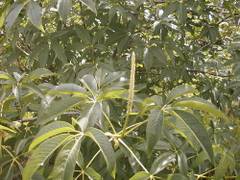
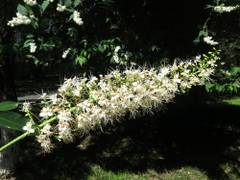
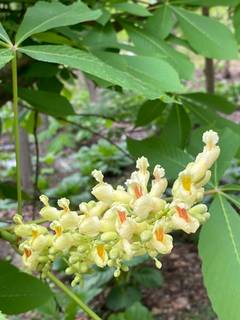
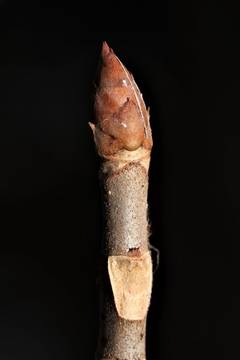
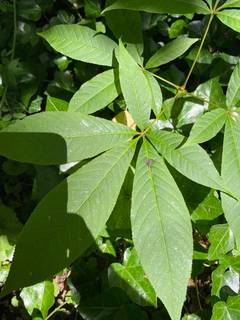
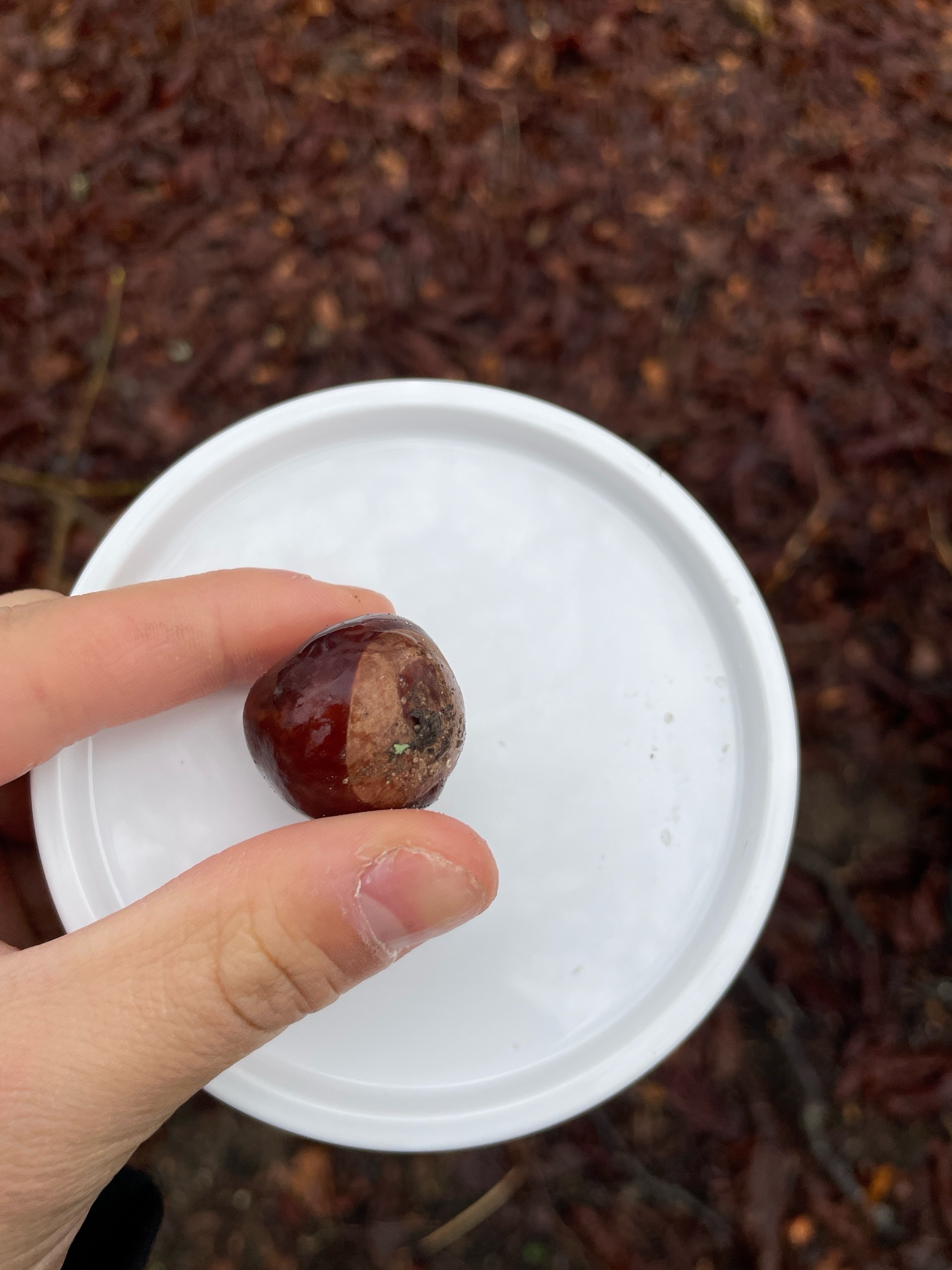
Aesculus is a genus of about 13 to 19 species of deciduous trees and shrubs in the soapberry family, Sapindaceae, native to the temperate Northern Hemisphere across North America, southeastern Europe, and eastern Asia. Tree species reach 50–100 ft (15–30 m) tall, while shrubby species such as A. parviflora stay 8–12 ft (2.4–3.7 m). The leaves are opposite and palmately compound, with five to nine leaflets spreading from a single point like the fingers of a hand, each leaflet 3–10 in (7.5–25 cm) long. In spring, upright branched flower clusters (panicles) 4–12 in (10–30 cm) tall rise above the foliage, with flowers in white, cream, yellow, pink, or red. The fruit is a leathery, sometimes spiny capsule 1–3 in (2.5–7.5 cm) across that splits to release one to three glossy brown seeds marked with a pale scar. All parts, especially the seeds, contain aesculin and related glycosides that are toxic to people and animals if eaten. Many species drop their leaves early in dry late summers, and some are prone to leaf blotch and scorch. The genus grows in moist woodland, valley bottoms, and stream banks.
Native Range
Aesculus is native across the temperate Northern Hemisphere. North American species include Ohio buckeye A. glabra, red buckeye A. pavia, and California buckeye A. californica. The horse-chestnut A. hippocastanum is native to the Balkans, and several species are native to China and Japan.Suggested Uses
Aesculus tree species are grown as shade and avenue trees in parks and large gardens, while shrubby species are used in borders and woodland edges. Red-flowered species are planted to draw hummingbirds. The seeds and wood have been used for carving, starch, and folk crafts.How to Identify
Appearance
Size & Dimensions
Height8' - 100'
Width/Spread8' - 70'
Bloom Information
Most Aesculus species flower in mid to late spring, roughly April to June, as the leaves expand. The upright flower panicles last 2 to 3 weeks and are followed by developing capsules through summer. Red-flowered species such as A. pavia draw hummingbirds, while white-flowered species such as A. hippocastanum are visited mainly by bees. Flower color ranges from white and cream to yellow, pink, and red across the genus.
Detailed Descriptions
Flower Description
white, cream, yellow, pink, or redFoliage Description
greenGrowing Conditions
Sun Requirements
Requires 4-8 hours of direct sunlight daily
• Full Sun: 6+ hours of direct sunlight
• Partial Shade: 3-6 hours of direct sunlight
• Full Shade: Less than 3 hours of direct sunlight