Adiantum, Genus, formosum, Species,
- Genus & species
giant maidenhair fern
Overview
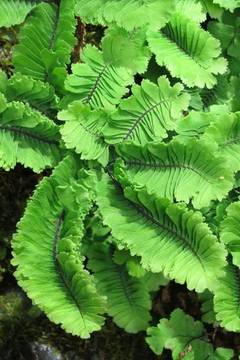
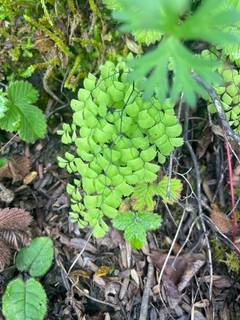
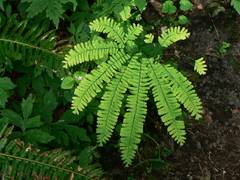
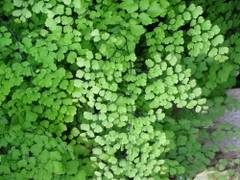
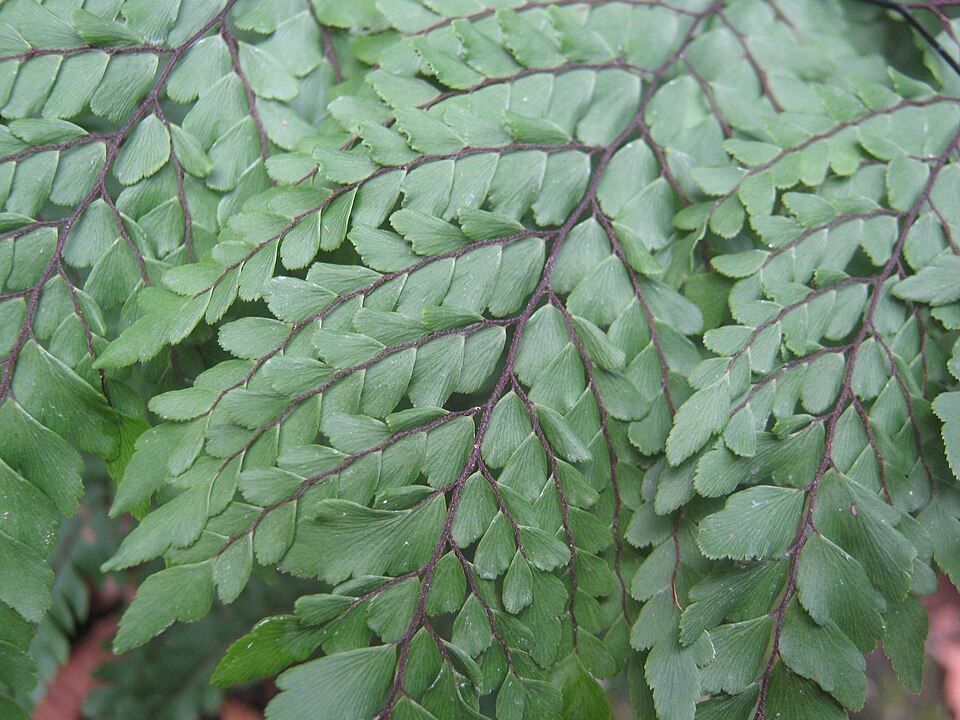
Adiantum formosum is a terrestrial fern forming colonies from creeping underground rhizomes, with fronds reaching 24-39 inches (60-100 cm) tall. The stipe and rachis are black, wiry, and shining, supporting fronds that are three to four times divided. Individual pinnules are fan- to wedge-shaped, 0.4-0.8 inch (10-20 mm) wide, bright green, and held on slender black stalks. New fronds unfurl pale green and darken as they mature. Spore-bearing sori sit beneath the reflexed outer margins of fertile pinnules, covered by false indusia. Plants spread laterally 12-24 inches (30-60 cm) by rhizomes, forming open patches rather than tight clumps. Growth is most active in warm, humid months and slows in cool weather; in frost-prone sites the fronds are damaged below about 30°F (-1°C) and the plant relies on protected rhizomes to regrow. Foliage browns and collapses if the soil dries out, with recovery dependent on renewed moisture. The dark stems contrast with the green segments through the growing season.
Native Range
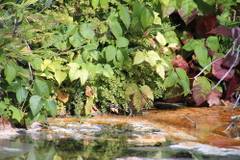
Native to eastern Australia from Queensland through New South Wales to Victoria, and also to New Zealand. Grows in rainforest, moist sheltered gullies, and along shaded creek banks in humus-rich soils, typically below 3,000 feet (900 m) elevation.Suggested Uses
Grown in shaded garden beds, fern gullies, and along damp borders at 18-24 inch (45-60 cm) spacing. Suited to containers of at least 3 gallons (11 L) kept in shade with regular watering. The spreading rhizomes can extend beyond their planted position in moist, frost-free conditions.How to Identify
Appearance
Size & Dimensions
Height2' - 3'3"
Width/Spread1' - 2'
Bloom Information
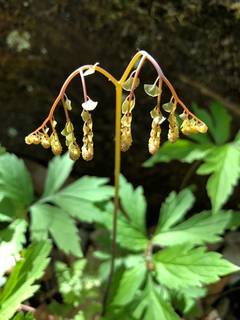
This fern reproduces by spores and does not flower. Spores mature on the undersides of fertile fronds mainly through the warmer months of late spring to autumn. In subtropical parts of its range, fertile fronds may be present across most of the year where humidity stays high.
Detailed Descriptions
Foliage Description
Bright green with black stipesGrowing Conditions
Sun Requirements
Tolerates up to 4 hours of direct sunlight daily
• Full Sun: 6+ hours of direct sunlight
• Partial Shade: 3-6 hours of direct sunlight
• Full Shade: Less than 3 hours of direct sunlight
Care & Maintenance
Care Guide
Establish in shade or filtered light in soil kept consistently moist and high in organic matter. Water two to three times weekly during dry spells; fronds brown and collapse within days of the soil drying out. Mulch with leaf litter to retain moisture and humidity around the base. Foliage is damaged by frost below about 30°F (-1°C), and in cold-winter regions the plant survives through protected rhizomes that resprout in spring. Browned or aging fronds can be cut at the base to make room for new growth. Slugs and snails feed on emerging fronds in damp conditions.Pruning
Remove dead or frost-damaged fronds at the base in late winter to early spring before new croziers unfurl. No shaping is required, as the plant renews foliage from the rhizome each season. Cutting back old fronds reduces hiding sites for slugs and snails around the crown.Pruning Schedule
winterearly spring
Container Growing
Suitable for container growing
Minimum container size: 3 gallons