Plant Reference
Acer, Genus, tegmentosum, Species, 'Joe Witt', Cultivar,
- Genus & species
- Cultivar
Joe Witt striped maple
Northeastern China (Manchuria), Korean Peninsula, Russian Far East
Overview
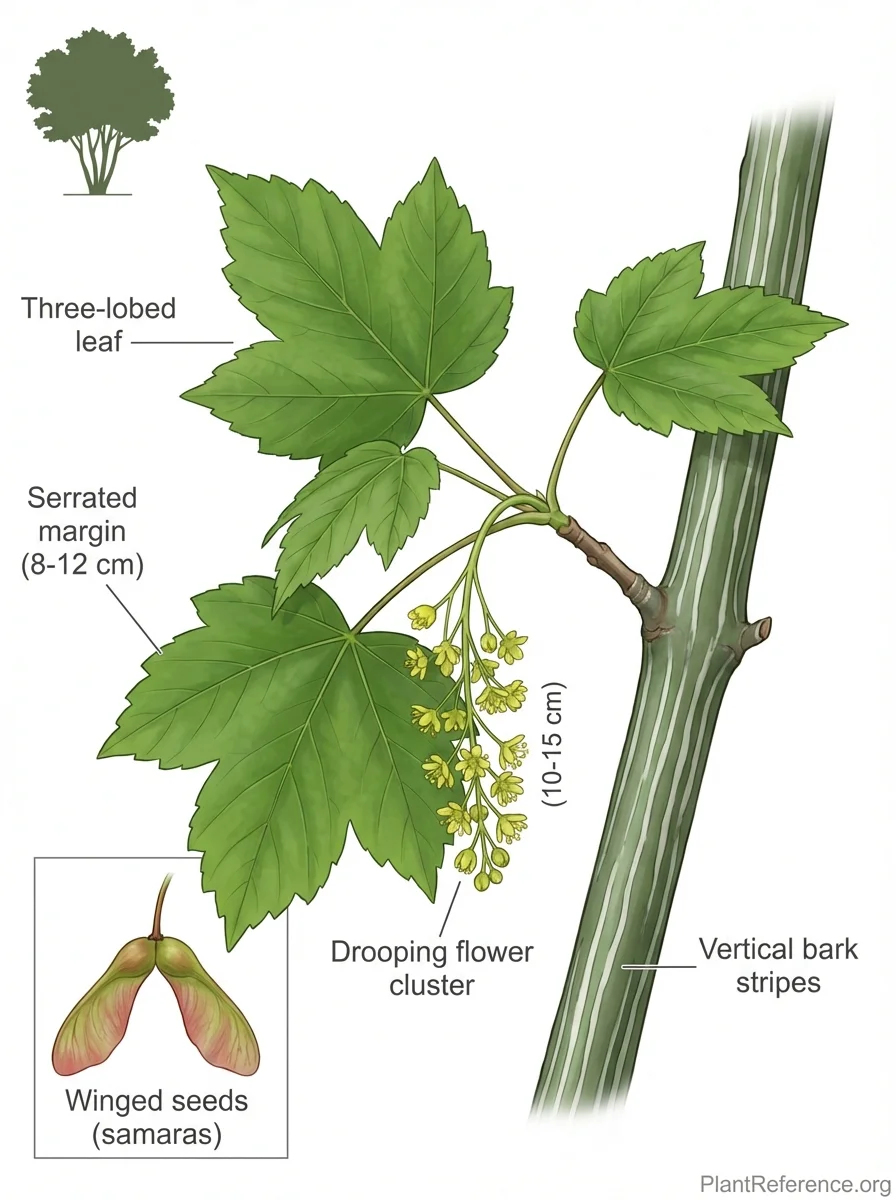
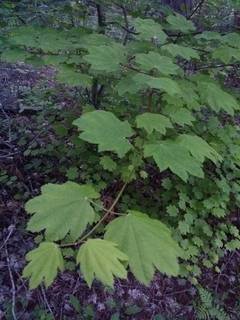
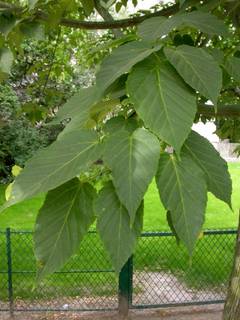
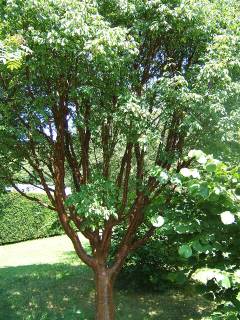
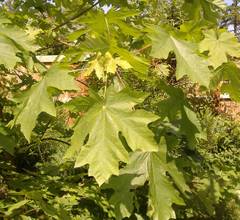
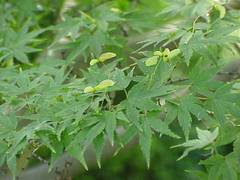
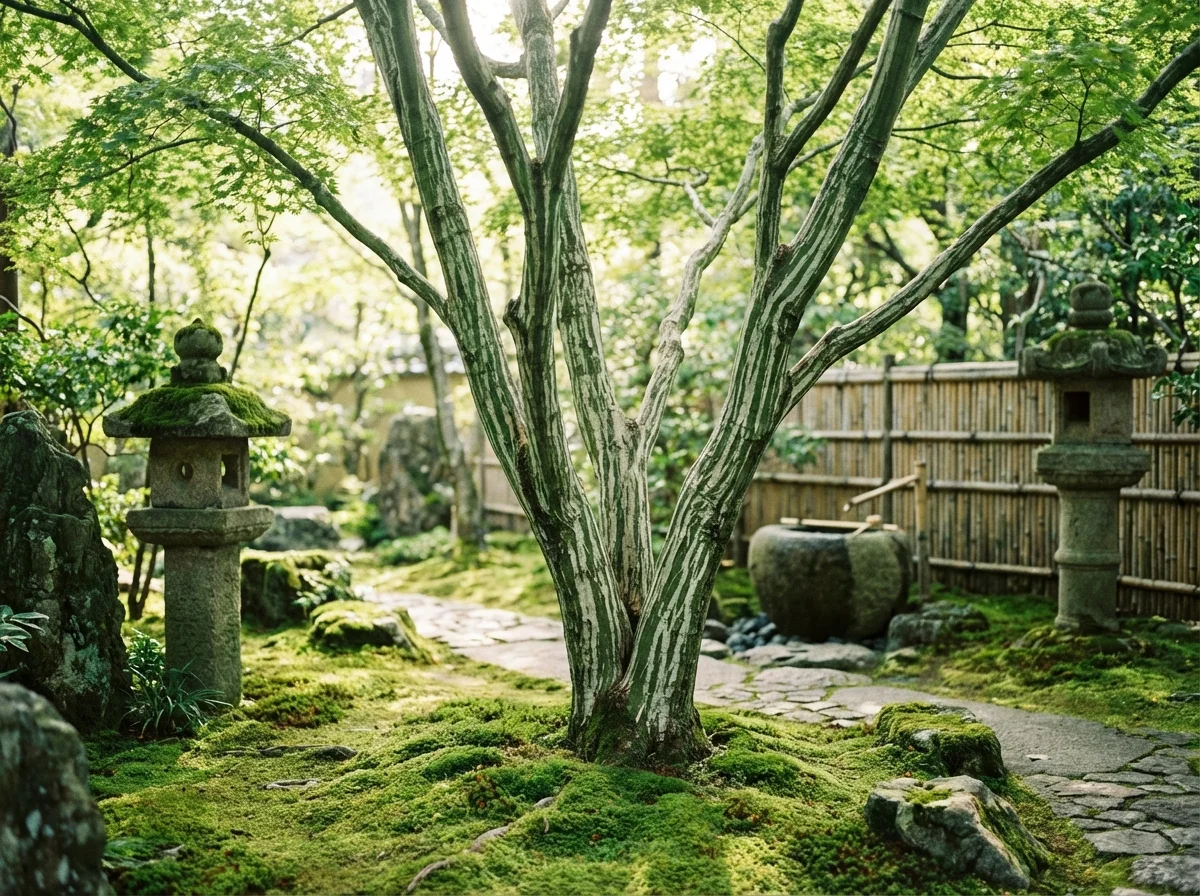
Acer tegmentosum 'Joe Witt' is a deciduous tree reaching 15–25 feet (4.5–7.5 m) tall with a spread of 12–18 feet (3.7–5.5 m), forming an upright to broadly oval crown. It is a cultivar of A. tegmentosum selected at the Washington Park Arboretum in Seattle for compact size relative to the species. The bark is smooth, jade-green with bold vertical white striations on young and intermediate stems — identical in character to the species but present on a slightly smaller-framed tree. Leaves are three-lobed, 4–6 inches (10–15 cm) wide, with a cordate base, pointed tips, and doubly serrated margins, medium to dark green through summer. Fall color is yellow to yellow-orange. Small yellowish-green flowers appear in pendant racemes in April–May. Samaras, 1–1.25 inches (2.5–3 cm) long, ripen in September–October. Growth rate is moderate, 10–15 inches (25–38 cm) per year when young. Bark striping is most vivid on stems 1–3 inches (2.5–7.5 cm) in diameter; main trunks develop gray-brown fissures as striated bark matures.
Native Range
Acer tegmentosum is native to northeastern China (Manchuria), the Korean Peninsula, and the Russian Far East (Ussuri region), occurring as an understory to mid-canopy tree in mixed deciduous forests. The 'Joe Witt' cultivar was selected at the Washington Park Arboretum in Seattle, Washington.Suggested Uses
Planted as a specimen or woodland garden tree at 12–15 foot (3.7–4.5 m) spacing where the striped bark is visible year-round. The compact size relative to the species fits smaller residential sites where the full-sized A. tegmentosum would be oversized. The bark is the primary four-season feature and is most visible from paths and seating areas in winter. Not suited to full exposure in hot-summer climates, alkaline soils, or sites with poor drainage.How to Identify
Appearance
Size & Dimensions
Height15' - 25'
Width/Spread12' - 18'
Bloom Information
Small yellowish-green flowers appear in pendant racemes in April–May before or with the emerging leaves. Individual flowers are small and inconspicuous. Samaras, 1–1.25 inches (2.5–3 cm) long, ripen in September–October.
Detailed Descriptions
Foliage Description
medium to dark green; yellow to yellow-orange in fallGrowing Conditions
Sun Requirements
Requires 3-8 hours of direct sunlight daily
• Full Sun: 6+ hours of direct sunlight
• Partial Shade: 3-6 hours of direct sunlight
• Full Shade: Less than 3 hours of direct sunlight
Care & Maintenance
Care Guide
Plant in moist, well-drained, fertile soil with a pH of 6.0–7.5 in partial shade to full sun. Water weekly during the first two growing seasons; established trees tolerate brief dry intervals of 10–14 days. Morning sun with afternoon shade preserves bark coloration and reduces leaf scorch risk where summer temperatures exceed 85°F (29°C). Performs in zones 4–7; not suited to hot-summer climates above zone 7. No routine fertilization is required in adequate soils.Pruning
Prune in late spring to early summer (May–June) after leaf-out to minimize sap bleeding, or in late winter before bud break. Remove dead or crossing branches. Retain the most vividly striped young stems — periodic renewal of oldest main stems maintains bark interest. Avoid heavy cuts on mature trunks. Multi-stem form is self-maintaining.Pruning Schedule
Prune: May–June
late spring
Toxicity
Non-toxicBotanical Flashcard