Image 1 of 10
1 / 10
Plant Reference
Acer, Genus, saccharum, Species,
- Genus & species
sugar maple
Eastern North America — Nova Scotia to Manitoba, south to Georgia and Texas; mesic forests on well-drained upland soils
Overview
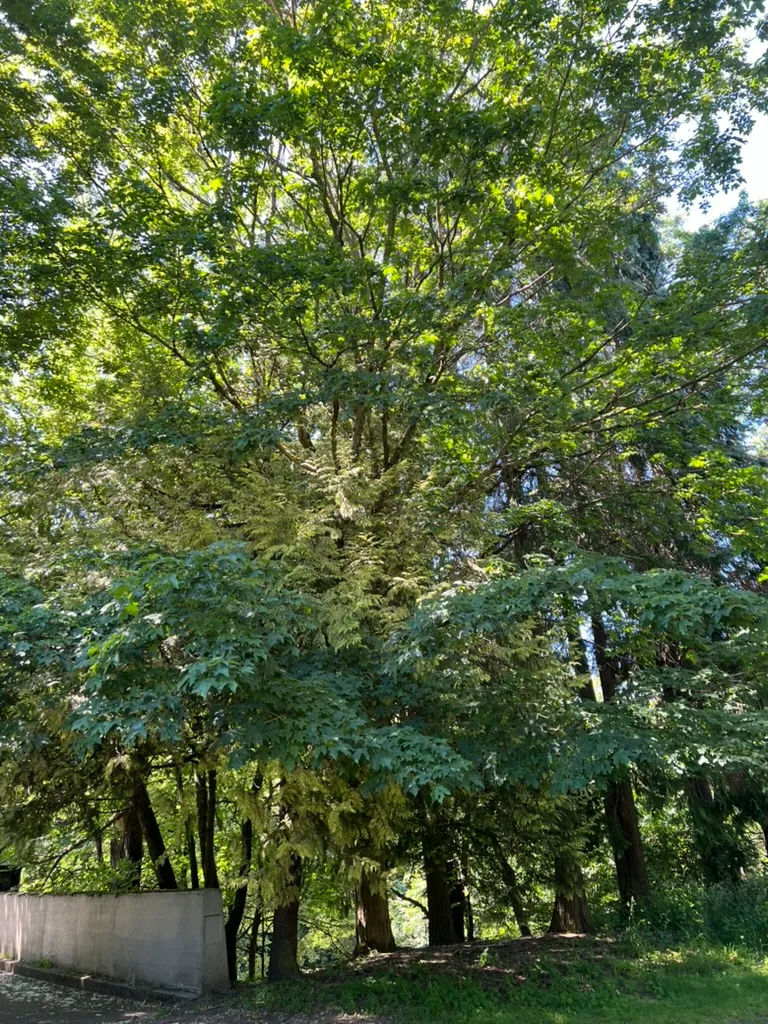
Acer saccharum is sugar maple (rock maple), a large deciduous tree growing 60-80 feet (18-24 m) tall and 40-60 feet (12-18 m) wide with a dense oval to rounded canopy. Palmately 5-lobed leaves with rounded sinuses (U-shaped), 3-6 inches (7-15 cm) wide. Medium to dark green in summer, turning yellow, orange, and red in fall — often multiple colors simultaneously on the same tree. Yellow-green flowers in pendulous corymbs in April, appearing with or just before the leaves. In Sapindaceae. Native to eastern North America — mesic forests on well-drained upland soils. The national tree of Canada (the leaf appears on the Canadian flag). The source of maple syrup — sap tapped in February-March and boiled at a 40:1 ratio. Does not tolerate urban conditions — sensitive to road salt, compacted soil, air pollution, and restricted root zones. This urban intolerance is the primary limitation for street and parking lot plantings. Leaf scorch in hot dry conditions. Does not tolerate alkaline soil well. Slow-growing: 12-24 inches (30-60 cm) per year. The large mature size requires substantial space. Non-toxic. Zones 3-8. Full sun to partial shade. Growth rate is slow to moderate.
Native Range
Native to eastern North America — Nova Scotia to Manitoba, south to Georgia and Texas. Found in mesic forests on well-drained upland soils.Suggested Uses
Grown as a shade tree in large landscapes, parks, and rural properties with 40-60 feet (12-18 m) of lateral space. Fall color — yellow, orange, red. Maple syrup production. Not for urban street plantings (salt and compaction sensitivity). Zones 3-8.How to Identify
Appearance
Size & Dimensions
Height60' - 80'
Width/Spread40' - 60'
Bloom Information
Mid spring (April). Yellow-green tiny flowers in pendulous corymbs on long pedicels, appearing with or just before the leaves. 3 weeks of bloom. Bee-pollinated. Paired samaras ripen September-October.
Detailed Descriptions
Flower Description
Yellow-green, tiny, in pendulous corymbs on long pedicels, appearing with or just before the leavesFoliage Description
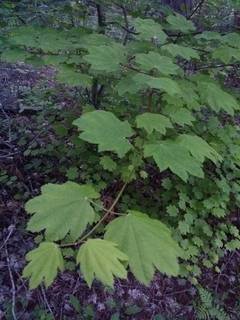
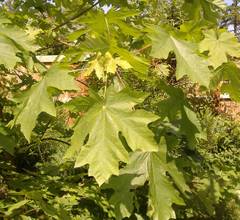
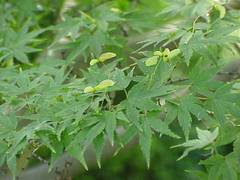
Medium to dark green, palmately 5-lobed with rounded sinuses (U-shaped, not V-shaped), 3-6 inches (7-15 cm) wide; turns yellow, orange, and red in fall — often multiple colors simultaneously on the same treeGrowing Conditions
Sun Requirements
Requires 4-8 hours of direct sunlight daily
• Full Sun: 6+ hours of direct sunlight
• Partial Shade: 3-6 hours of direct sunlight
• Full Shade: Less than 3 hours of direct sunlight
Care & Maintenance
Care Guide
Full sun to partial shade (4-8 hours). Well-drained loam or silt soil pH 5.5-7.0. Does not tolerate road salt, compacted soil, or air pollution — not suited for urban streetscapes. Not drought-tolerant — leaf scorch in dry conditions. Prune only in summer (July-August) — heavy sap bleeding with winter pruning. Zones 3-8.Pruning
Prune only in summer (July-August) to avoid heavy sap bleeding. Remove dead, crossing, or damaged branches. Structural pruning when young develops a strong central leader. Do not top. Professional arborist work for mature specimens.Pruning Schedule
Prune: July–August
summer