Image 1 of 18
1 / 18
Plant Reference
Acer, Genus, platanoides, Species,
- Genus & species
Norway maple
Europe and western Asia, from Norway and Sweden south to the Caucasus and northern Iran, and east to the Ural Mountains; mixed deciduous and montane forests at sea level to 5,900 feet (1,800 m) elevation
Overview
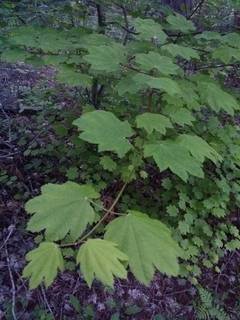
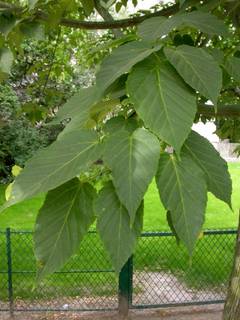
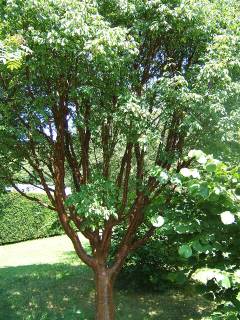
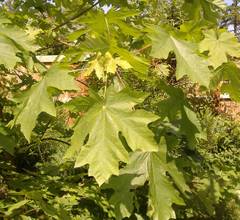
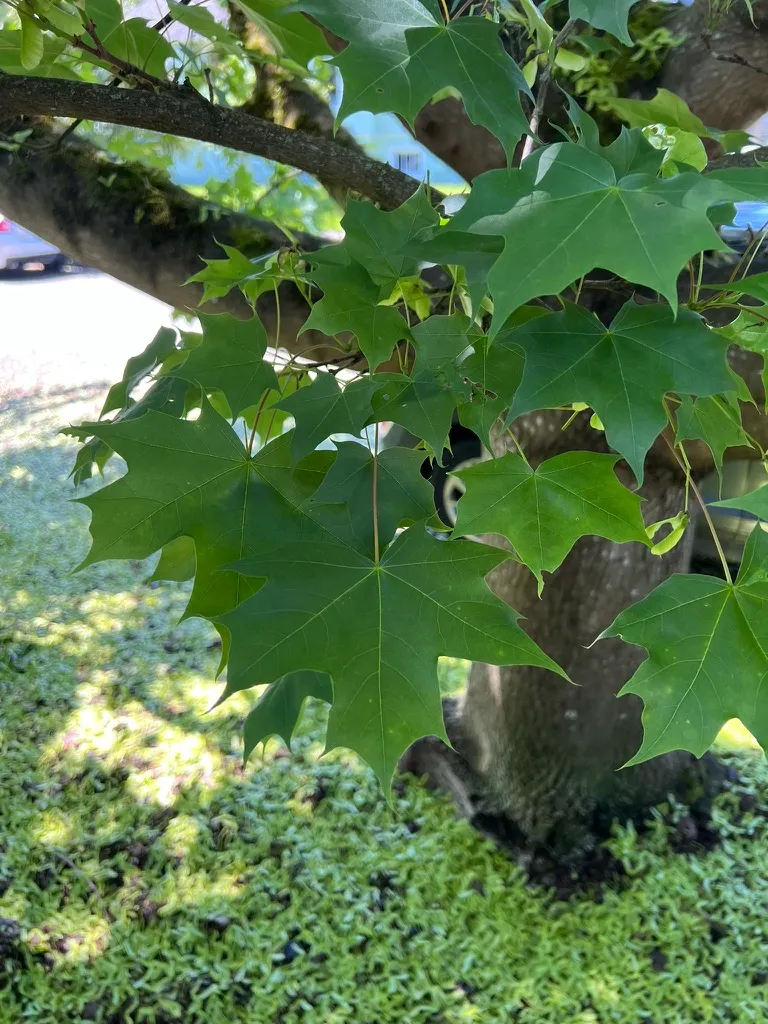
Acer platanoides is a large deciduous tree in the family Sapindaceae, reaching 40-60 feet (12-18 m) tall and 30-50 feet (9-15 m) wide with a dense rounded-to-oval crown. Leaves are palmate with 5-7 pointed lobes and a few coarse teeth, 4-7 inches (10-18 cm) across, dark green above and lighter beneath, turning yellow in fall. A diagnostic trait separating A. platanoides from all other common landscape maples: when the petiole or leaf blade is broken, milky white sap exudes from the cut surface. Bark is gray and develops interlacing ridges on mature trunks. In early spring, yellow-green flowers open in erect clusters 2-3 inches (5-8 cm) across before or with leaf emergence. Paired samaras spread at nearly 180 degrees and ripen in fall. Growth is moderate to fast at 1.5-2 feet (45-60 cm) per year in youth. Surface roots are aggressive — they lift pavement and outcompete lawn grass within the drip line — and the dense canopy limits understory plant establishment. The species is listed as invasive in numerous U.S. states and Canadian provinces, where seedlings establish prolifically in forest understories and displace native vegetation; planting is regulated or discouraged in natural-area buffers across much of the Pacific Northwest and northeastern North America.
Native Range
Acer platanoides is native to Europe and western Asia, from Norway and Sweden south to the Caucasus and northern Iran, and east to the Ural Mountains. The species grows in mixed deciduous and montane forests on fertile moist soils at elevations from sea level to approximately 5,900 feet (1,800 m).Suggested Uses
Planted as a large shade tree in parks, roadsides, and large commercial landscapes where space accommodates mature spread and surface-root impact. Planting near natural areas, forest edges, riparian corridors, and wildlands is discouraged across the Pacific Northwest and regulated in several U.S. states because of the invasive potential of the species. Regional alternatives such as Acer saccharum or Quercus rubra can substitute where shade-tree function is wanted without invasive risk. Local invasive-species guidelines are consulted before planting. Not suited to narrow planting strips, small residential yards, or any position within 8-10 feet (2.4-3 m) of pavement.How to Identify
Appearance
Size & Dimensions
Height40' - 60'
Width/Spread30' - 50'
Colors
Bloom Information
Erect yellow-green flower clusters 2-3 inches (5-8 cm) across open in late March through April in zones 4-7 before or concurrent with leaf emergence, averaging 2-3 weeks of bloom. Samaras ripen September through October and are dispersed by wind, germinating prolifically the following spring in both garden and natural-area settings.
Detailed Descriptions
Flower Description
yellow-green; erect clusters 2-3 inches (5-8 cm) acrossFoliage Description
dark green above and lighter beneath; palmate leaves 4-7 inches (10-18 cm) across with 5-7 pointed lobes; yellow in fallGrowing Conditions
Sun Requirements
Requires 4-8 hours of direct sunlight daily
• Full Sun: 6+ hours of direct sunlight
• Partial Shade: 3-6 hours of direct sunlight
• Full Shade: Less than 3 hours of direct sunlight
Care & Maintenance
Care Guide
Plant in well-drained soil with a pH of 4.5-7.5 in full sun to part shade; tolerated soil types include loam, clay, sand, and silt. Water weekly for the first 1-2 growing seasons. Established trees tolerate drought, compacted urban soils, road salt, and air pollution — the main reasons the species has been so widely planted in urban settings. Pavement or structures within 8-10 feet (2.4-3 m) are damaged by surface root spread. Dense canopy shade and surface roots limit lawn-grass establishment within the drip line; mulch or shade-tolerant groundcovers replace turf under the canopy. Verticillium wilt causes branch dieback and has no cure — affected branches are removed and root-zone wounding is avoided. Seedlings in adjacent naturalized areas are removed promptly to limit spread because the species reproduces prolifically from seed.Pruning
Pruning is done in dormancy (November through February) or in summer (July-August) to reduce sap bleeding from wounds. Dead, damaged, or crossing branches are removed at these times. Heavy pruning is avoided because this species bleeds sap freely from large wounds. Structural pruning of young trees in years 3-10 reduces the need for large corrective cuts later. Spring pruning is avoided because sap pressure is highest at that time and wounds bleed heavily.Pruning Schedule
Prune: July–August & November–February
wintersummer