Acer, Genus, pensylvanicum, Species,
- Genus & species
striped maple
Overview
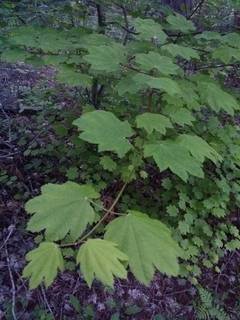
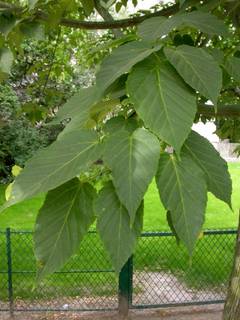
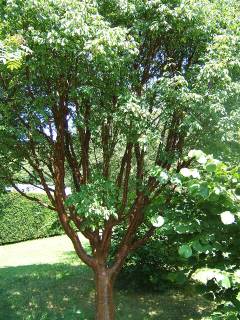
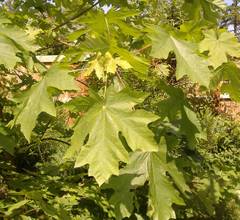
Acer pensylvanicum is a small deciduous tree or large shrub in the Sapindaceae growing 15-25 feet (4.5-7.5 m) tall, usually as an understory plant beneath taller forest trees. Young bark is green with vertical white stripes, a pattern that fades to brown with age and gives the species its common name. The leaves are large, 5-7 inches (13-18 cm) long, with three forward-pointing lobes and finely toothed margins, turning clear yellow in autumn. Small yellow-green flowers hang in slender, drooping racemes 4-6 inches (10-15 cm) long in late spring, followed by paired winged samaras. The tree grows slowly and tolerates shade, but it is short-lived and sensitive to heat, drought, and full afternoon sun, which can scorch the foliage. It needs cool, moist, well-drained soil and declines in compacted or dry urban sites. Hardy in USDA zones 3-7, it grows in partial to full shade. Native to eastern North America, Acer pensylvanicum grows in cool, moist woodlands from Quebec south along the Appalachian Mountains to Georgia and is browsed heavily by deer and moose.
Native Range
Acer pensylvanicum is native to eastern North America, from Nova Scotia and Quebec south through New England and along the Appalachian Mountains to Georgia. It grows in cool, moist, shaded woodlands and on rocky slopes.Suggested Uses
Grown as an understory tree in woodland and shade gardens and in naturalized native plantings. The cool, moist shade it needs suits north-facing or forest-edge sites rather than open lawns.How to Identify
Appearance
Size & Dimensions
Height15' - 25'
Width/Spread10' - 20'
Bloom Information
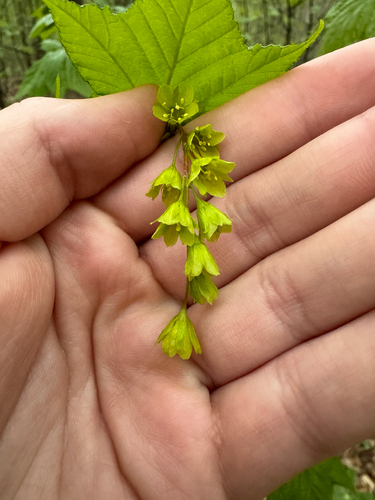
Yellow-green flowers hang in slender, drooping racemes in late spring, typically May to June, as the leaves expand. Each raceme is 4-6 inches (10-15 cm) long. Winged samaras follow and ripen by late summer.
Detailed Descriptions
Foliage Description
green, turning yellow in fallGrowing Conditions
Sun Requirements
Requires 2-6 hours of direct sunlight daily
• Full Sun: 6+ hours of direct sunlight
• Partial Shade: 3-6 hours of direct sunlight
• Full Shade: Less than 3 hours of direct sunlight
Care & Maintenance
Care Guide
Acer pensylvanicum grows in partial to full shade and needs cool, moist, well-drained soil with a pH of 4.5-6.5. It declines in heat, drought, and compacted urban soils, and afternoon sun can scorch its leaves. A layer of leaf-litter mulch keeps the roots cool and moist. The tree grows slowly and is short-lived compared with larger maples. It rarely needs fertilizer in woodland soil. Bark and twigs are browsed by deer and moose, which can damage young trees.Pruning
Prune in summer or after the leaves drop, since maples bleed sap heavily when cut in late winter and early spring. Remove dead, crossing, or damaged branches to keep an open framework. Little routine pruning is needed for this naturally small tree.Pruning Schedule
Prune: July
summer