Plant Reference
Acer, Genus, palmatum, Species, 'Viridis', Cultivar,
- Genus & species
- Cultivar
Viridis Japanese maple
Overview
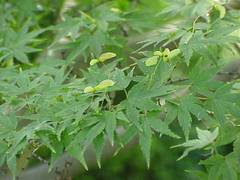
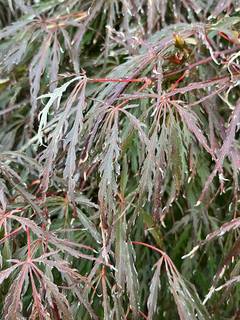
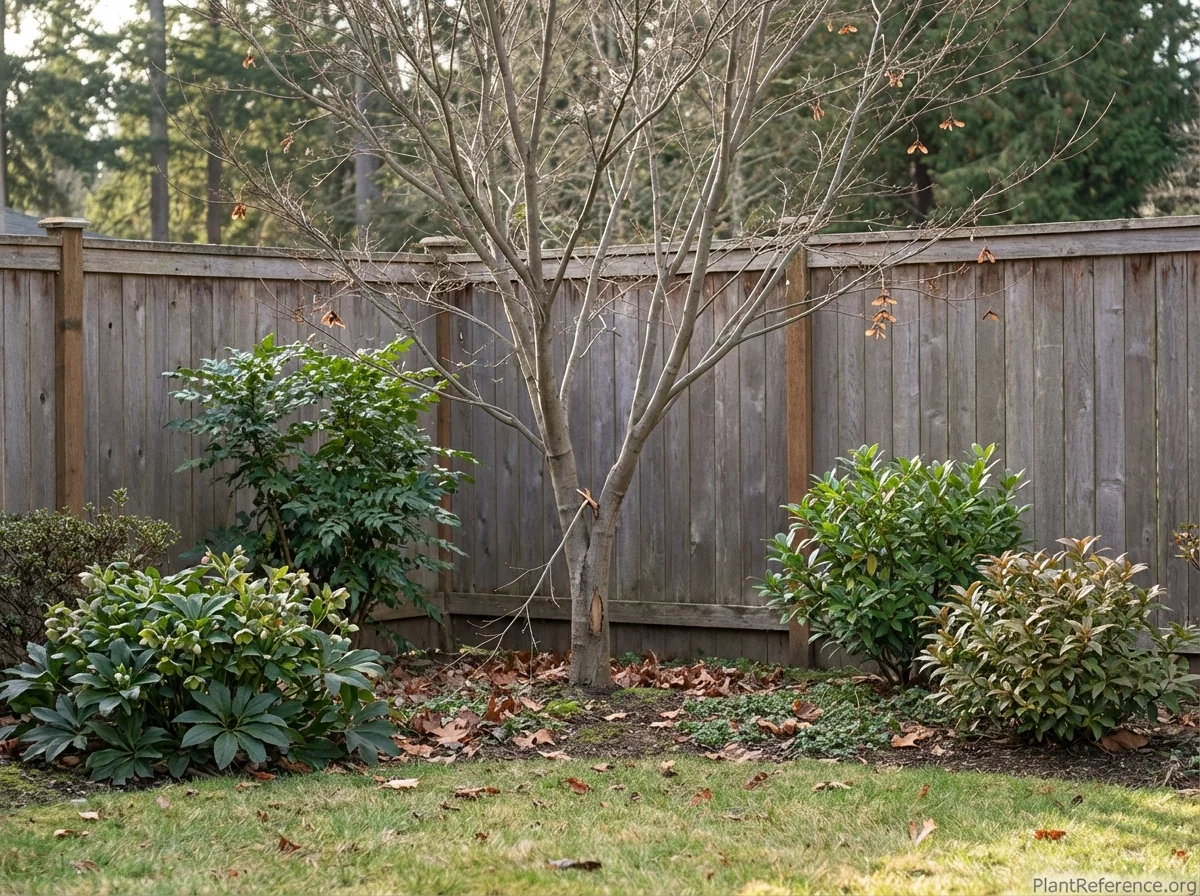
Acer palmatum 'Viridis' is a deciduous shrub with a weeping, cascading habit, reaching 6–8 feet (1.8–2.4 m) tall with a spread of 8–12 feet (2.4–3.7 m) at maturity, forming a broad mounding silhouette. It belongs to the dissectum group of A. palmatum, with deeply dissected seven-lobed leaves, sinuses cut nearly to the leaf center, and lobes further incised to produce a lacy texture. Leaves are 2–3.5 inches (5–9 cm) wide, bright to medium green through spring and summer. Fall color is scarlet to orange-red, appearing in October and lasting 2–3 weeks. Branches cascade downward from a grafted crown. Growth rate is 6–8 inches (15–20 cm) per year. 'Viridis' has been in cultivation since the mid-19th century, with documented horticultural records in Japan and Europe. Summer temperatures sustained above 85°F (29°C) cause scorch on the dissected leaf segments, and exposed sites with strong wind cause foliage desiccation.
Native Range
Acer palmatum is native to Japan, Korea, and China, occurring in mixed broadleaf forests at low to middle elevations. The 'Viridis' cultivar has been in cultivation for several centuries and does not occur in wild populations.Suggested Uses
Planted as a specimen in Japanese-style gardens, rock gardens, and mixed shrub borders at 8–12 foot (2.4–3.7 m) spacing. Grows in containers of at least 15 gallons (57 L) in sheltered positions; smaller containers shorten lifespan. Not suited to exposed sites with strong winds, hot-summer climates without afternoon shade, alkaline soils, or sites with restricted moisture.How to Identify
Appearance
Size & Dimensions
Height6' - 8'
Width/Spread8' - 12'
Bloom Information
Small dark red to purple flowers appear in pendant clusters in April–May as new leaves emerge. Individual flowers are 0.3–0.4 inch (8–10 mm) across. Paired samaras, 0.75–1 inch (2–2.5 cm) long, ripen in September–October.
Detailed Descriptions
Flower Description
dark red to purpleFoliage Description
bright to medium green in spring and summer; scarlet to orange-red in fallGrowing Conditions
Sun Requirements
Requires 3-8 hours of direct sunlight daily
• Full Sun: 6+ hours of direct sunlight
• Partial Shade: 3-6 hours of direct sunlight
• Full Shade: Less than 3 hours of direct sunlight
Care & Maintenance
Care Guide
Plant in moist, well-drained, humus-rich soil with a pH of 5.5–7.0 in partial shade to full sun in cool climates. Water weekly during the first two growing seasons and during summer dry spells longer than 7–10 days. Summer temperatures sustained above 85°F (29°C) cause scorch in the dissected leaf segments; afternoon shade reduces scorch in warm-summer regions. Wind desiccates the dissected foliage in exposed sites. Rootstock suckers below the graft union grow vigorously and will overtop the scion within 1–2 seasons if left in place. No routine fertilization is required in humus-rich soils.Pruning
No routine pruning is required. The cascading weeping habit is self-forming. Dead or crossing branches are removed in late spring to early summer (May–June) after leaf-out, when sap bleeding is minimal. Rootstock suckers below the graft union are cut at their point of origin as they appear. Late summer and fall pruning causes sap bleeding and delayed wound closure.Pruning Schedule
Prune: May–June
late spring
Container Growing
Suitable for container growing
Minimum container size: 15 gallons