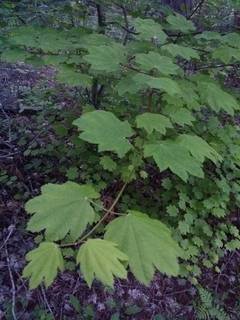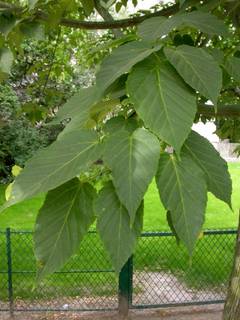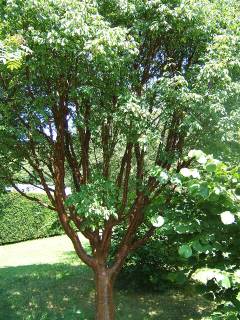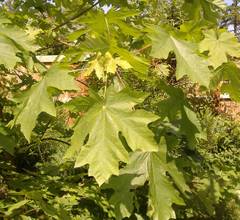
Image 1 of 8
Plant Reference
1 / 8
Acer, Genus, palmatum, Species, 'Wolff', Cultivar,
- Genus & species
- Cultivar
Wolff Japanese maple
Japan, Korea, and China (species); 'Wolff' is a North American selection
Overview
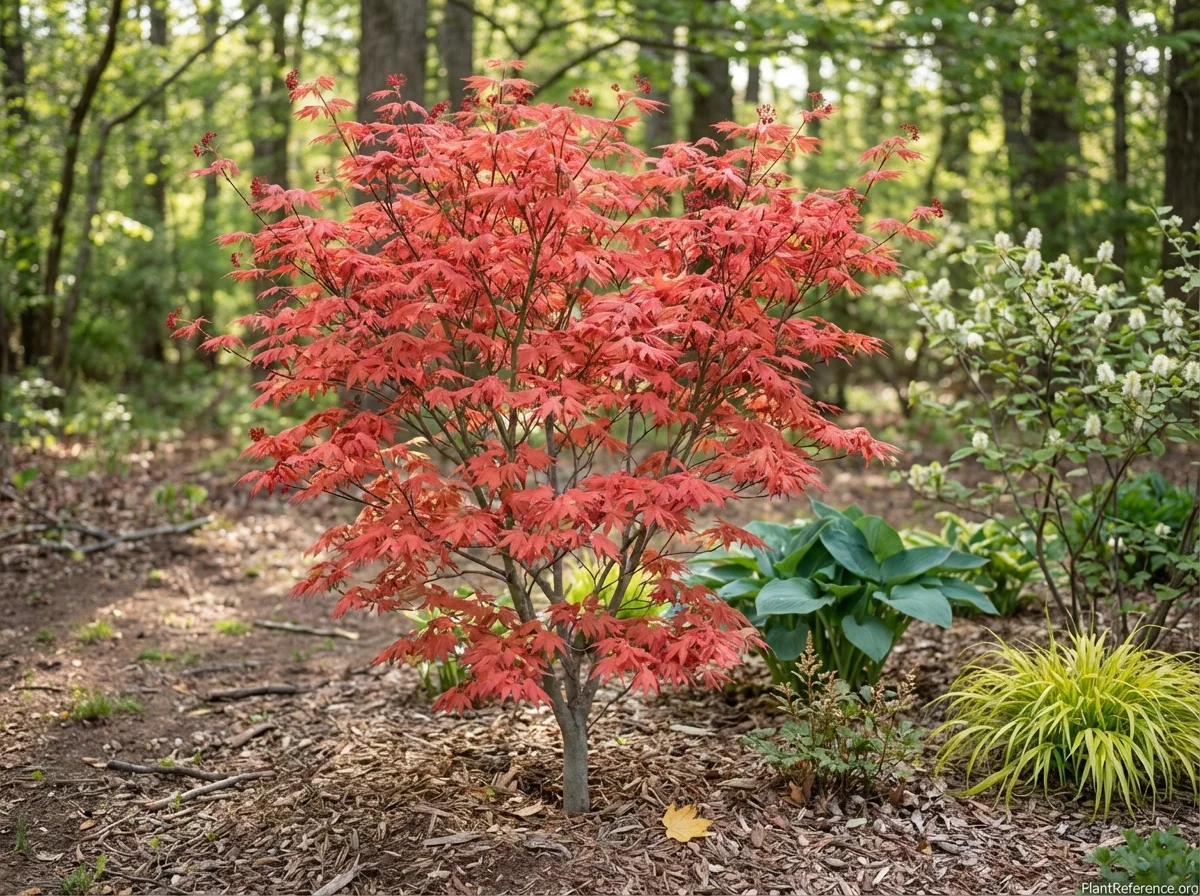
Acer palmatum 'Wolff' is a deciduous tree reaching 15–20 feet (4.5–6 m) tall with an equal spread, forming an upright broadly rounded crown. It is sold under the trade name Emperor I. Leaves are palmate and five-lobed, 2–4 inches (5–10 cm) wide, with narrow pointed lobes and serrated margins. Foliage color is deep burgundy-red through spring and summer, and this cultivar holds its red color later into summer heat than many comparable red A. palmatum selections such as 'Bloodgood', which shifts toward bronze-red under extended summer temperatures above 85°F (29°C). Fall color is scarlet to crimson and lasts 2–3 weeks. Small dark red to purple flowers appear in pendant clusters in April and May as new leaves emerge. Samaras 0.75–1 inch (2–2.5 cm) long ripen in September and October. Growth rate is moderate at 8–12 inches (20–30 cm) per year. 'Wolff' tolerates USDA zone 5 without significant shoot dieback, extending the reliable range of upright red A. palmatum selections northward. Limitation: the cultivar buds out later than 'Bloodgood', which reduces late-frost risk, but emerging foliage is still damaged by hard frosts below 28°F (−2°C), and sites with cold-air pooling produce repeated frost damage.
Native Range
Acer palmatum is native to Japan, Korea, and China, occurring in mixed broadleaf forests at low to middle elevations. The 'Wolff' cultivar was selected in North America for cold hardiness and summer color retention and does not occur in wild populations.Suggested Uses
Used as a specimen or small shade tree in residential gardens, Japanese-style gardens, and mixed borders at 15–18 foot (4.5–5.5 m) spacing. The sustained deep red-burgundy summer color and scarlet fall display supply multi-season color. Zone 5 hardiness extends reliable use of upright red Japanese maples into colder climates where 'Bloodgood' and similar cultivars experience shoot dieback. Alkaline soils and positions with prolonged afternoon sun in zones 7–8 are unsuitable.How to Identify
Appearance
Size & Dimensions
Height15' - 20'
Width/Spread15' - 20'
Bloom Information
Small dark red to purple flowers 0.3–0.4 inch (8–10 mm) across appear in pendant clusters in April and May as new leaves emerge. Samaras 0.75–1 inch (2–2.5 cm) long ripen in September and October.
Detailed Descriptions
Flower Description
dark red to purple; small pendant clustersFoliage Description
deep burgundy-red through spring and summer; scarlet to crimson in fall; palmate five-lobed with narrow pointed lobes and serrated margins, 2-4 inches (5-10 cm) wideGrowing Conditions
Sun Requirements
Requires 3-8 hours of direct sunlight daily
• Full Sun: 6+ hours of direct sunlight
• Partial Shade: 3-6 hours of direct sunlight
• Full Shade: Less than 3 hours of direct sunlight
Care & Maintenance
Care Guide
Site in partial shade to full sun with 3–8 hours of direct sun per day in moist, well-drained, humus-rich soil with a pH of 5.5–7.0. Water weekly during the first two growing seasons. Established trees tolerate dry intervals of 7–10 days. Deep red color is most saturated in 4–6 hours of direct sun; deep shade shifts color toward bronze-green. Summer temperatures sustained above 90°F (32°C) cause some leaf margin scorch, though less than occurs in 'Bloodgood' and similar cultivars under the same conditions. Hardy in USDA zones 5–8. Sites with cold-air pooling increase the risk of frost damage to emerging foliage. Routine fertilization is not required in humus-rich soils.Pruning
Routine pruning is not required. The upright broadly rounded form develops naturally. Corrective pruning can be done in late spring to early summer (May and June) after leaf-out. Dead or crossing branches can be removed at any time. The central leader should be retained in young trees. Late summer and fall pruning increase the risk of dieback at cut ends.Pruning Schedule
Prune: May–June
late spring