Acer, Genus, nigrum, Species,
- Genus & species
black maple
Overview
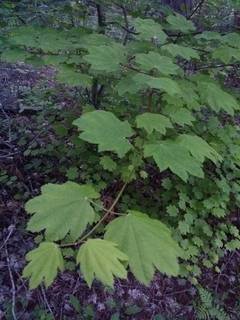
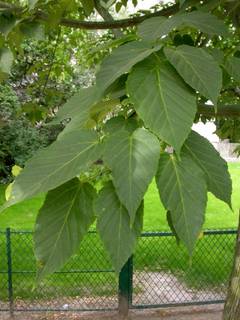
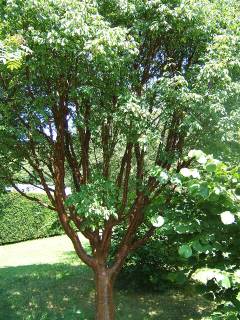
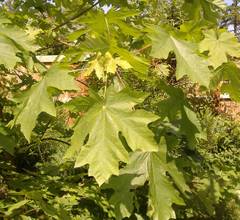
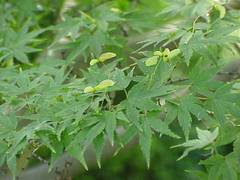
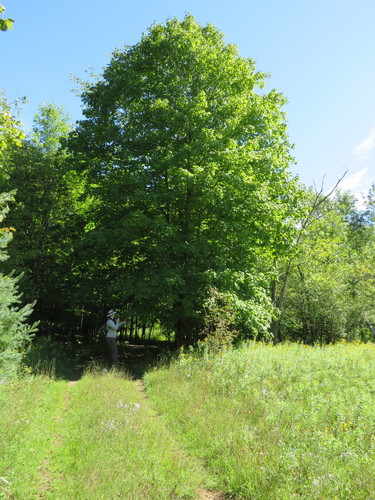
Acer nigrum is a deciduous tree closely related to A. saccharum, with which it is sometimes combined as a subspecies. It reaches 60-80 feet (18-24 m) tall and 40-60 feet (12-18 m) wide, forming a rounded to oval crown over a straight central trunk. The bark is gray-black and develops deep furrows with age, darker than that of A. saccharum. Leaves are opposite and usually three-lobed, occasionally five-lobed, 4-6 inches (10-15 cm) across, with shallow sinuses and edges that droop downward. The leaf undersides and stalks carry soft, downy hairs, and the leaf base often bears small leaf-like stipules. Foliage is medium to dark green in summer and turns yellow to orange-yellow in fall. Greenish-yellow flowers hang in clusters on slender stalks in spring as the leaves emerge, followed by paired winged samaras 1-1.25 inches (2.5-3 cm) long that ripen in fall. The tree grows in moist bottomland soils and river valleys and tolerates heavier, drier clay than A. saccharum. It is slow to establish and sensitive to compacted, salted, or root-restricted urban sites, where leaf scorch can appear during hot, dry summers.
Native Range
Acer nigrum is native to eastern and central North America, from Quebec and Ontario south to Georgia and west to the eastern Great Plains. It is most common in the Midwest, in river valleys and moist bottomlands of the Ohio and Mississippi basins.Suggested Uses
Acer nigrum is used as a shade and street tree and in parks, large lawns, and naturalized woodland plantings. It is grown for fall color and tapped for maple syrup within its native range. Its mature size suits open spaces rather than small residential lots.How to Identify
Appearance
Size & Dimensions
Height60' - 80'
Width/Spread40' - 60'
Bloom Information
Greenish-yellow flowers appear in spring (April-May) as the leaves unfold, hanging in clusters on thread-like stalks. They are wind- and insect-pollinated and last one to two weeks. Winged samaras follow and ripen from late summer into fall.
Detailed Descriptions
Foliage Description
medium to dark green, turning yellow to orange-yellow in fallGrowing Conditions
Sun Requirements
Requires 6-8 hours of direct sunlight daily
• Full Sun: 6+ hours of direct sunlight
• Partial Shade: 3-6 hours of direct sunlight
• Full Shade: Less than 3 hours of direct sunlight