Plant Reference
Acer, Genus, ×, Hybrid, freemanii, Species, 'Jeffersred', Cultivar,
- Genus & species
- Hybrid
- Cultivar
autumn flame maple
Hybrid origin; parent species {Acer rubrum} and {Acer saccharinum} both native to eastern North America
Overview
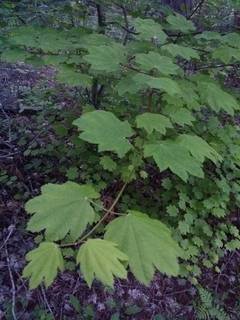
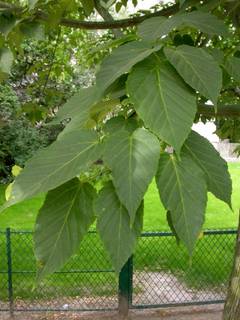
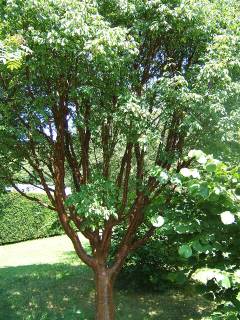
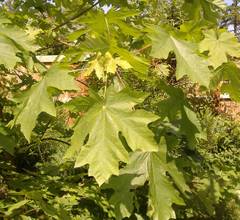
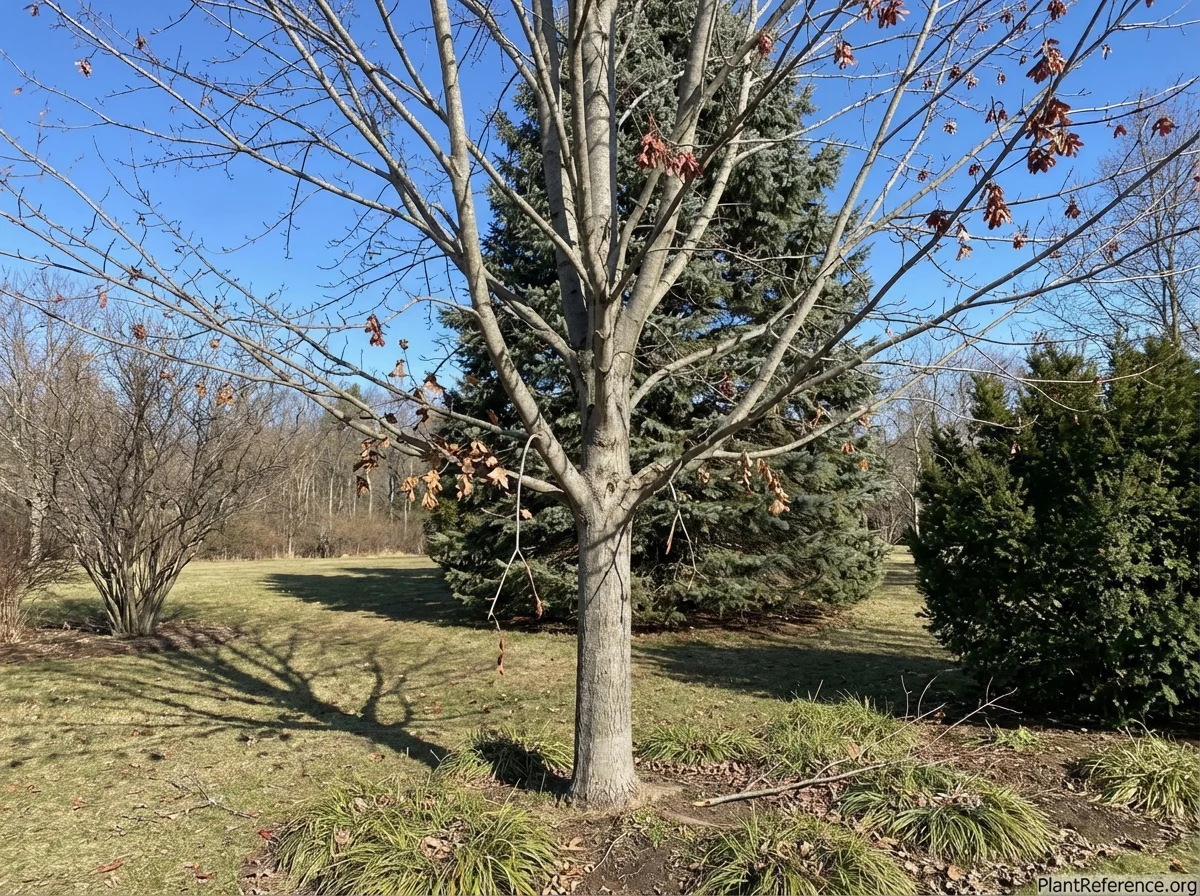
Acer × freemanii 'Jeffersred' (trade name Autumn Flame) is a deciduous hybrid tree reaching 40-50 feet (12-15 m) tall with a spread of 30-40 feet (9-12 m) and an upright oval to rounded crown with well-angled branch structure. It is a hybrid between A. rubrum (red maple) and A. saccharinum (silver maple), inheriting faster growth from A. saccharinum and more compact branch structure and orange-red fall color from A. rubrum. Leaves are palmate, three- to five-lobed, 3-5 inches (7.5-13 cm) wide, with serrated margins, medium to dark green above and pale below. Fall color is orange-red to scarlet and holds for 2-4 weeks in September and October. Small red flowers open in dense clusters on bare stems in March and April before leaf emergence. Paired samaras 1-1.5 inches (2.5-4 cm) long mature in late May and June, earlier than most other maples, and are shed shortly after ripening. Growth averages 2-3 feet (60-90 cm) per year in the first 10 years. Alkaline soils above pH 7.0 cause iron chlorosis, and both verticillium wilt and large wound decay can affect the species.
Native Range
Acer × freemanii is a naturally occurring and horticulturally reproduced hybrid between two eastern North American species: A. rubrum, native from Newfoundland south to Florida and west to Texas, and A. saccharinum, native through a similar eastern North American range. The cultivar 'Jeffersred' (marketed as Autumn Flame) was selected for upright form and reliable fall color and does not occur in wild populations.Suggested Uses
Planted as a shade tree, street tree, or lawn specimen at 35-40 foot (10.5-12 m) spacing in large residential lots, parks, and streetscapes. The upright oval form and stronger branch structure separate it from the brittle architecture of the silver maple parent A. saccharinum in street settings. Not suited to small residential lots, sites with restricted overhead clearance, or alkaline soils above pH 7.0 where iron chlorosis develops.How to Identify
Appearance
Size & Dimensions
Height40' - 50'
Width/Spread30' - 40'
Bloom Information
Small red flowers open in dense clusters on bare stems in March and April, 2-4 weeks before leaf emergence. Individual flowers measure less than 0.2 inch (5 mm) across. Paired samaras 1-1.5 inches (2.5-4 cm) long mature in late May and June — earlier than most maples — and are shed quickly after ripening. Total bloom period averages 2 weeks.
Detailed Descriptions
Flower Description
red; dense clusters on bare stems in early spring before leaves emerge; individual flowers less than 0.2 inch (5 mm) acrossFoliage Description
medium to dark green above, pale below; orange-red to scarlet in fall; palmate three- to five-lobed leaves 3-5 inches (7.5-13 cm) wideGrowing Conditions
Sun Requirements
Requires 4-12 hours of direct sunlight daily
• Full Sun: 6+ hours of direct sunlight
• Partial Shade: 3-6 hours of direct sunlight
• Full Shade: Less than 3 hours of direct sunlight
Care & Maintenance
Care Guide
Plant in moist to wet, well-drained to average soil with a pH of 5.5-7.0; tolerated soil types include loam, clay, and sand. Tolerates brief flooding and wet sites better than most maples. Water weekly during the first two growing seasons. Established trees tolerate dry spells of 1-2 weeks and grow more consistently with steady moisture. Alkaline soils above pH 7.0 cause iron chlorosis. Aphids and scale insects can infest the canopy, and verticillium wilt can affect branches and occasionally entire trees. Growth averages 2-3 feet (60-90 cm) per year in the first 10 years — spacing is planned against the 30-40 foot (9-12 m) mature crown width. No routine fertilization is required in adequate soils.Pruning
Pruning is done in late spring to early summer (May-June) after leaf-out to limit sap bleeding from winter cuts. A strong central leader and well-spaced scaffold branches are established in the first 5 years. Dead, crossing, or rubbing branches are removed at that time, and basal suckers are cut at their point of origin. Large pruning cuts on mature trees are avoided because Acer species are prone to decay at large wound sites.Pruning Schedule
Prune: May–June
late spring