Image 1 of 10
1 / 10
© No machine-readable author provided. Inti-sol~commonswiki assumed (based on copyright claims)., some rights reserved (CC-BY-SA) · Wikimedia Commons
Abies, Genus, firma, Species,
- Genus & species
Momi fir
Overview
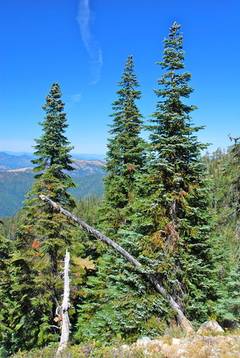
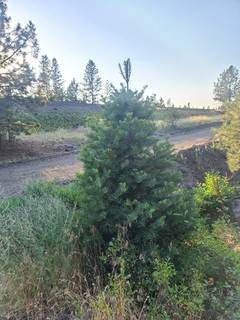
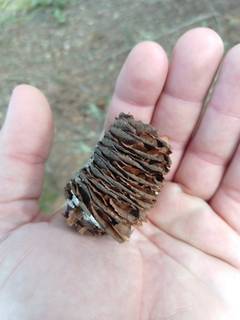
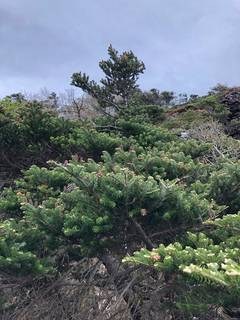
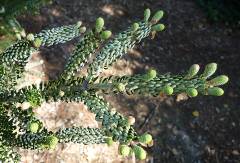
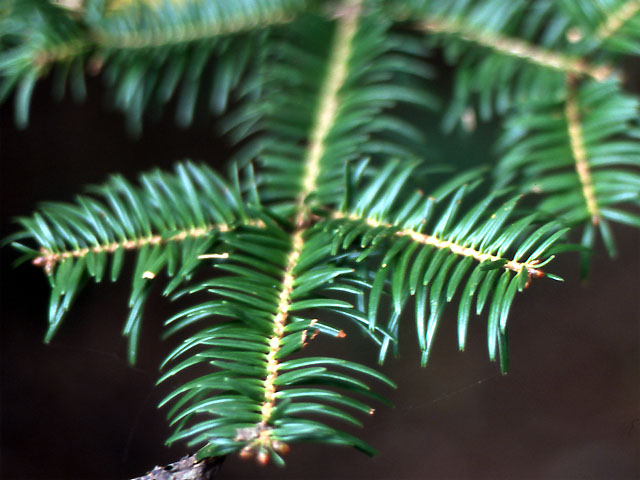
Abies firma is a large evergreen conifer in the family Pinaceae, native to Japan. Trees reach 60–150 feet (18–45 m) tall and 20–30 feet (6–9 m) wide, with a conical crown that becomes broader and flat-topped with age. Bark is gray and smooth on young trees and becomes scaly and fissured on mature trunks. Needles are flat, stiff, and 0.75–1.5 inches (2–4 cm) long, dark green above with two pale stomatal bands beneath; on young trees and lower branches the tips are notched or sharply two-pointed, and on cone-bearing shoots they are rounded to pointed. Cones are erect, cylindrical, 3–5 inches (7–12 cm) long, and yellow-green ripening to brown, and they disintegrate on the tree to release winged seeds. Plants are hardy in USDA zones 6–8 and tolerate summer heat and humidity more readily than many other firs. Growth is slow for the first 10 years and moderate afterward. Trees grow most vigorously in cool, humid climates, and sites with hot, dry summers or alkaline soil cause needle browning and decline.
Native Range
Native to Japan, from central Honshu southward through Shikoku and Kyushu, where it grows in warm-temperate and cool-temperate mountain forests at low to mid elevations. Planted in temple grounds and as a forestry tree in Japan.Suggested Uses
Used as a specimen tree and in large-scale plantings in parks and estates, spaced 20–30 feet (6–9 m) apart. Wood is used in construction and for temple building in Japan. Mature height of 60–150 feet (18–45 m) limits use in small gardens.How to Identify
Appearance
Size & Dimensions
Height60' - 150'
Width/Spread20' - 30'
Bloom Information
Pollen cones open in April and May, and female cones develop on the upper branches. Trees are monoecious, and pollination is by wind. Cones mature in October of the same year. Trees produce cones after 20–30 years.
Detailed Descriptions
Foliage Description
Dark green above with two pale stomatal bands beneathGrowing Conditions
Sun Requirements
Requires 4-8 hours of direct sunlight daily
• Full Sun: 6+ hours of direct sunlight
• Partial Shade: 3-6 hours of direct sunlight
• Full Shade: Less than 3 hours of direct sunlight
Care & Maintenance
Care Guide
Growth is steadiest in full sun to light shade in moist, well-drained, acidic to neutral soil of pH 5.0–7.0. Water is applied at 1 inch (2.5 cm) per week during the first three growing seasons and during dry periods afterward. Cold hardiness is USDA zones 6–8, and the species tolerates heat and humidity more readily than A. balsamea or A. fraseri. A 3–4 inch (8–10 cm) layer of mulch conserves soil moisture and is kept 3 inches (8 cm) from the trunk. Compacted soil, air pollution, and hot, dry sites reduce growth.Pruning
Little pruning is required, because the natural conical form develops without shaping. Dead and damaged branches are removed in late winter. Competing leaders are removed while the tree is young to maintain a single central leader. Cuts into leafless wood do not produce new shoots.Pruning Schedule
Prune: February–March
winter