Abies, Genus, spp., Multiple species,
- Genus
- Multiple species
firs
Mountains of the Northern Hemisphere (North America, Europe, North Africa, Asia)
Overview
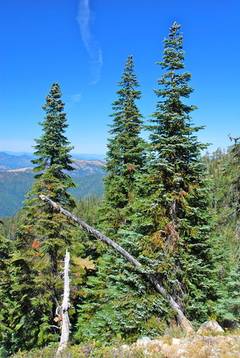
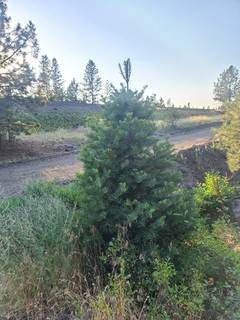
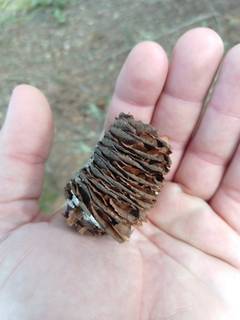
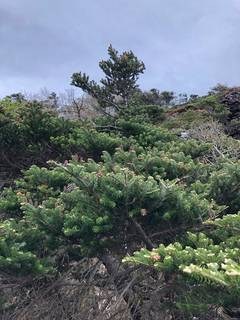
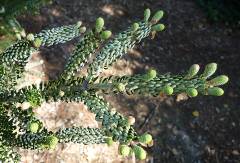
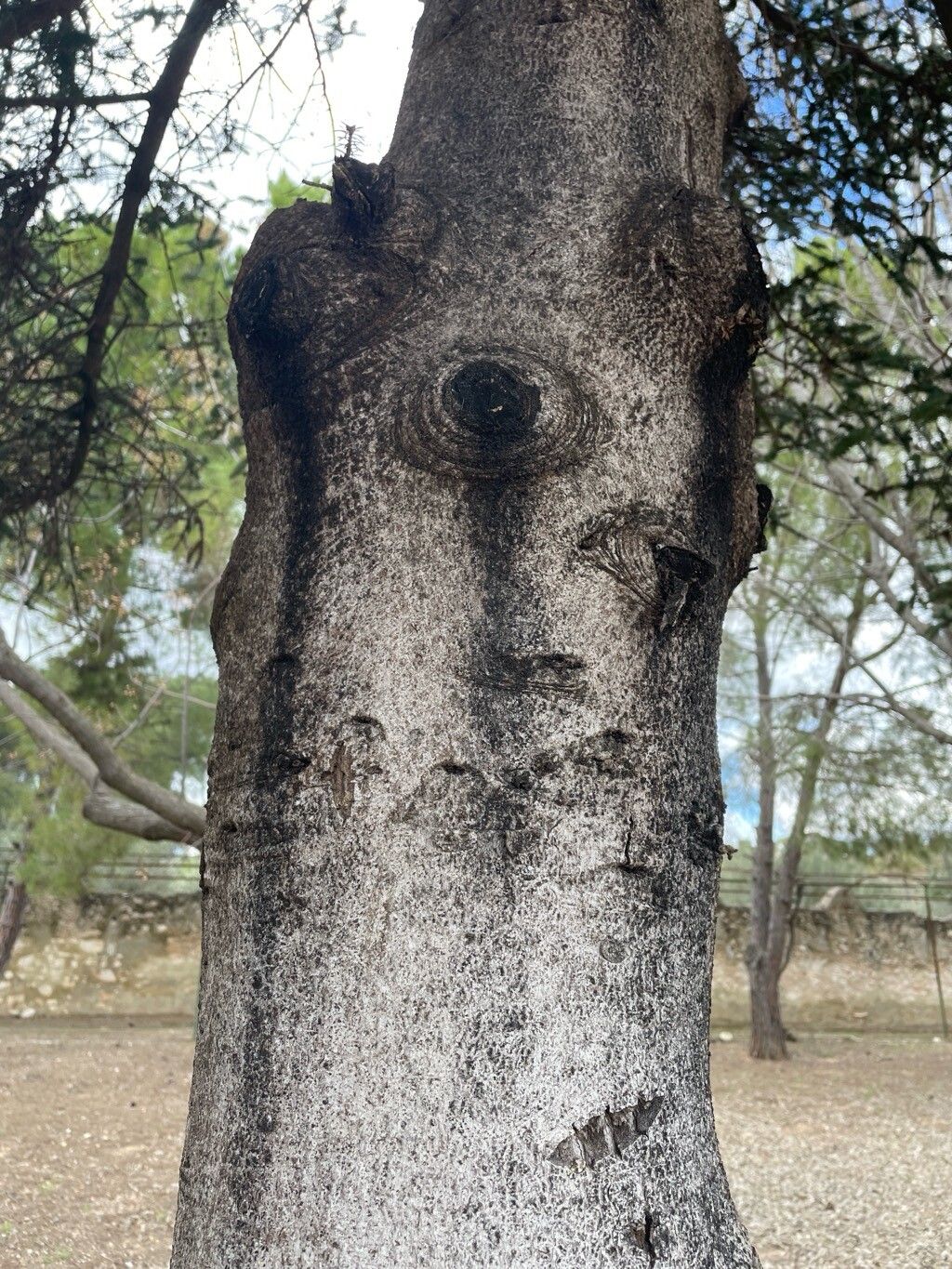
Abies is a genus of about 50 evergreen coniferous trees in the family Pinaceae, known as firs. Mature trees range from 33 to 260 feet (10-80 m) tall depending on species, with a single straight trunk and a narrow conical crown that becomes more open with age. The needle-like leaves are flat, 0.4-2.4 inches (1-6 cm) long, attached singly to the shoot, and leave a round flat scar when they fall. Most species show two pale stomatal bands on the underside of each needle. Seed cones stand upright on the branches, 2-10 inches (5-25 cm) long, and break apart on the tree to release winged seeds rather than falling whole. Firs are native to the mountains of the Northern Hemisphere, across North America, Europe, North Africa, and Asia, where many form extensive high-elevation forests. The genus generally requires cool, moist climates and acidic, well-drained soil, and most species grow poorly in heat, drought, and urban air. Growth is slow to moderate, and many species are long-lived, reaching 150-300 years. Shallow roots can make tall specimens prone to windthrow on exposed sites.
Native Range
Firs are native to mountainous regions across the Northern Hemisphere, including North and Central America, Europe, North Africa, and temperate and subtropical Asia. Species such as A. balsamea occur in northern North America, while A. alba grows in the mountains of central and southern Europe.Suggested Uses
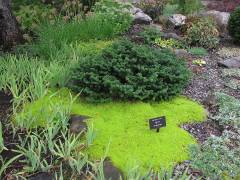
Used as specimen and screening trees in large landscapes and parks, and in forestry for timber and pulp. Several species, including A. fraseri and A. balsamea, are grown as Christmas trees. The genus suits cool upland gardens with acidic soil.How to Identify
Appearance
Size & Dimensions
Height33' - 260'
Width/Spread10' - 30'
Colors
Foliage Colors
Fall Foliage Colors
Bloom Information
Firs are non-flowering conifers that reproduce by cones. Pollen is shed from small male cones in spring, generally April to June. Female cones stand upright and ripen over a single season, releasing winged seeds in autumn as the cones break apart on the tree.
Detailed Descriptions
Foliage Description
green to blue-greenGrowing Conditions
Sun Requirements
Requires 4-8 hours of direct sunlight daily
• Full Sun: 6+ hours of direct sunlight
• Partial Shade: 3-6 hours of direct sunlight
• Full Shade: Less than 3 hours of direct sunlight