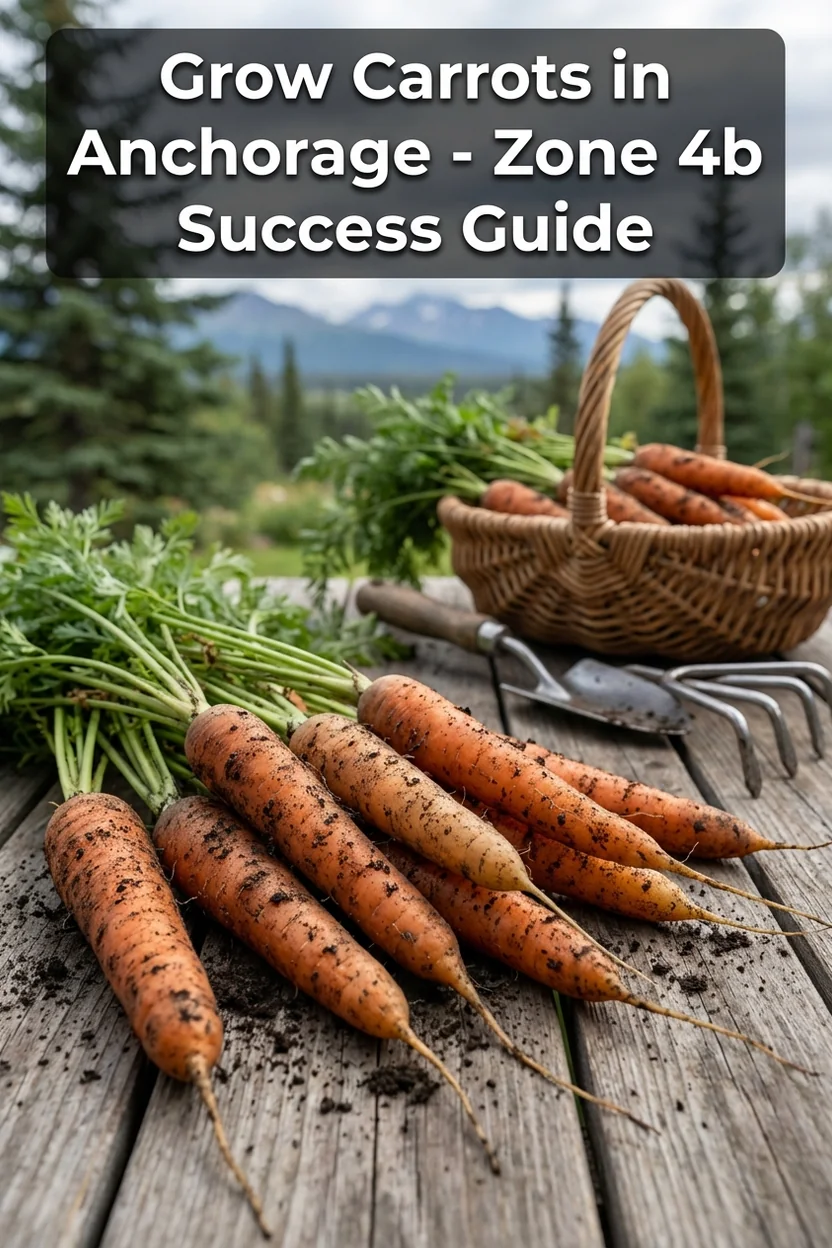
When to Plant Carrots in Anchorage: Complete Guide + Best Varieties for Zone 4b
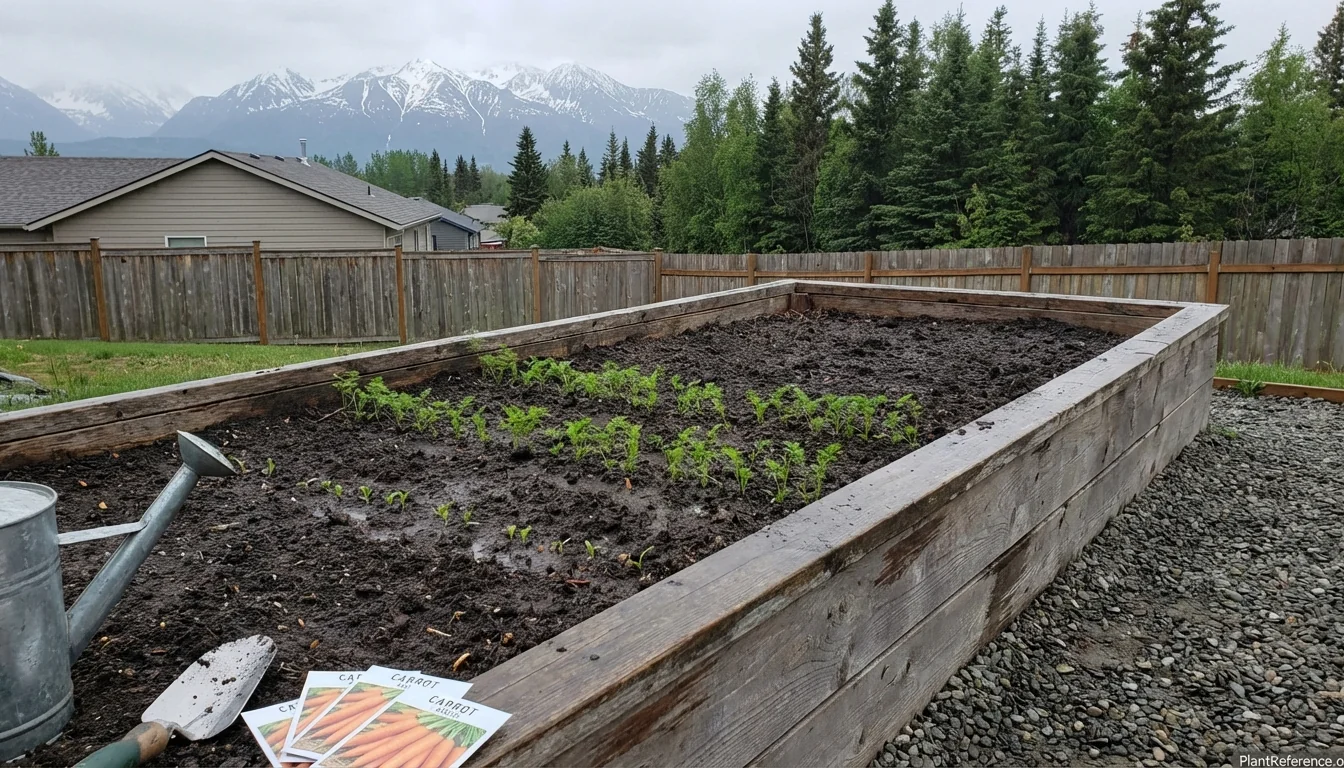
— Image © Plant Reference 2026
Growing carrots in Anchorage requires working with nature's tight timeline. Alaska's Zone 4b climate gives gardeners just 118 days between the last frost on May 19 and first frost on September 14—making variety selection and timing absolutely critical for success.
I've been growing vegetables in harsh climates for four decades, and I'll tell you straight: Anchorage carrot growing is all about respecting that short season. You can't mess around with slow varieties or late planting dates. But get the timing right with the proper varieties, and you'll harvest sweet, crisp carrots that rival anything from warmer climates.
Best Carrot Varieties for Anchorage's Climate
Alaska's brief growing season demands varieties that mature quickly and tolerate cool conditions. After testing dozens of varieties in short-season climates, these five consistently deliver in Anchorage's challenging Zone 4b environment.
Variety | Days to Maturity | Best For | Notes for Anchorage |
|---|---|---|---|
Daucus carota 'Scarlet Nantes' | 65-70 days | Quick harvest | Perfect for Zone 4b short season |
Daucus carota 'Paris Market' | 60-65 days | Container growing | Round type, works in shallow soil |
Daucus carota 'Napoli' | 68-75 days | Cold tolerance | Handles late season chill |
Daucus carota 'Red Core Chantenay' | 65-75 days | Heavy clay soil | Penetrates tough Alaska soil |
Daucus carota 'Little Finger' | 55-65 days | Succession planting | Ultra-fast baby carrots |
Nantes Types for Anchorage Success
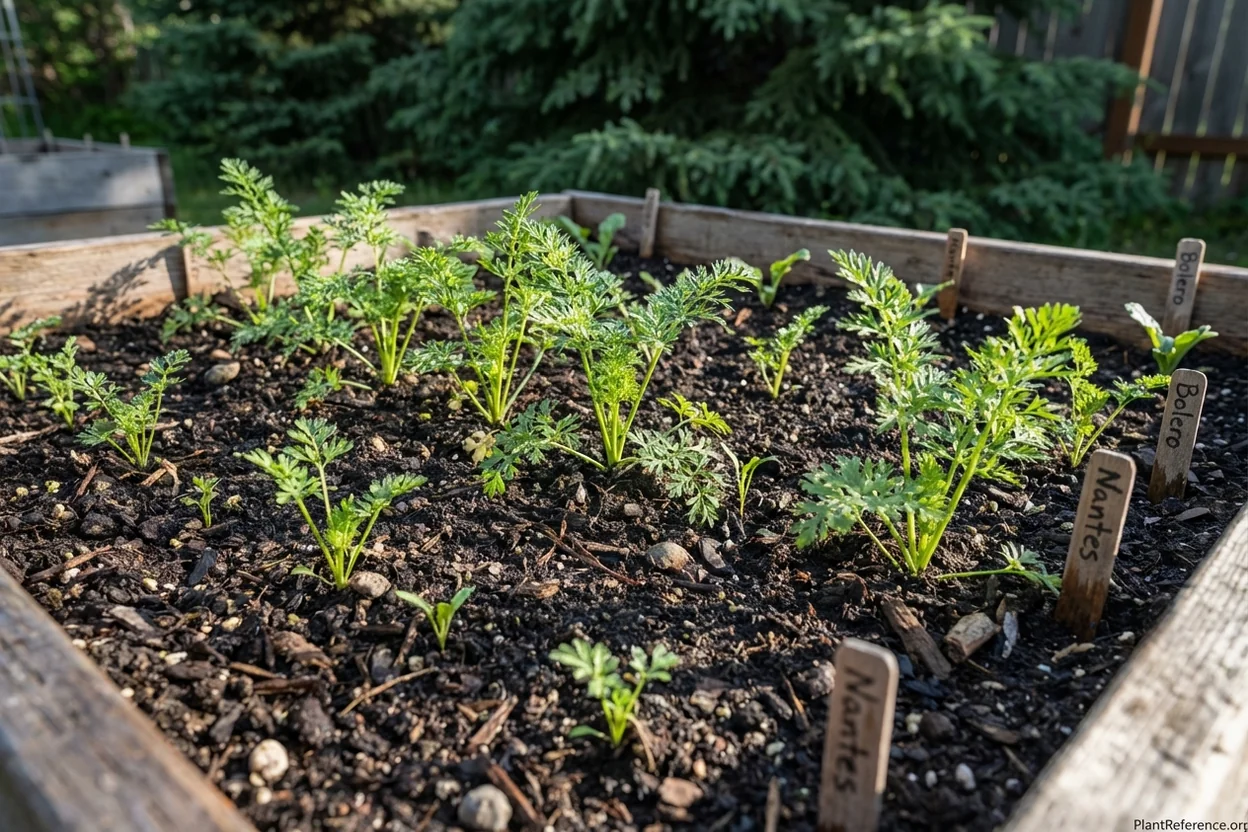
Daucus carota 'Scarlet Nantes' remains my top recommendation for Anchorage gardens. These cylindrical carrots mature in 65-70 days—well within Alaska's season—and produce consistently sweet, crisp roots. The blunt-tipped shape works well in the loose, organic-rich soils most Anchorage gardeners build in raised beds.
Daucus carota 'Napoli' offers exceptional cold tolerance, crucial as September temperatures drop. I've harvested quality Napoli carrots even after light frost, when other varieties turn mushy. This variety also stores well for Alaska's long winter months.
Chantenay Types for Difficult Soil
Many Anchorage lots have challenging soil—either heavy clay or glacial till. Daucus carota 'Red Core Chantenay' handles these conditions better than any other type. The short, stout roots push through compacted soil and develop properly even where longer varieties would fork or stunt.
Daucus carota 'Paris Market' works exceptionally well in containers or shallow beds. These round "golf ball" carrots mature in just 60-65 days and don't require deep soil preparation—ideal for apartment balconies or new gardeners still building their soil.
Ultra-Fast Options for Late Planting
Daucus carota 'Little Finger' matures in just 55-65 days, making it perfect for succession planting through early July. These slender baby carrots pack surprising sweetness and work well for fresh eating. I plant them every two weeks from late May through early July for continuous harvest.
Specific Planting Dates for Anchorage
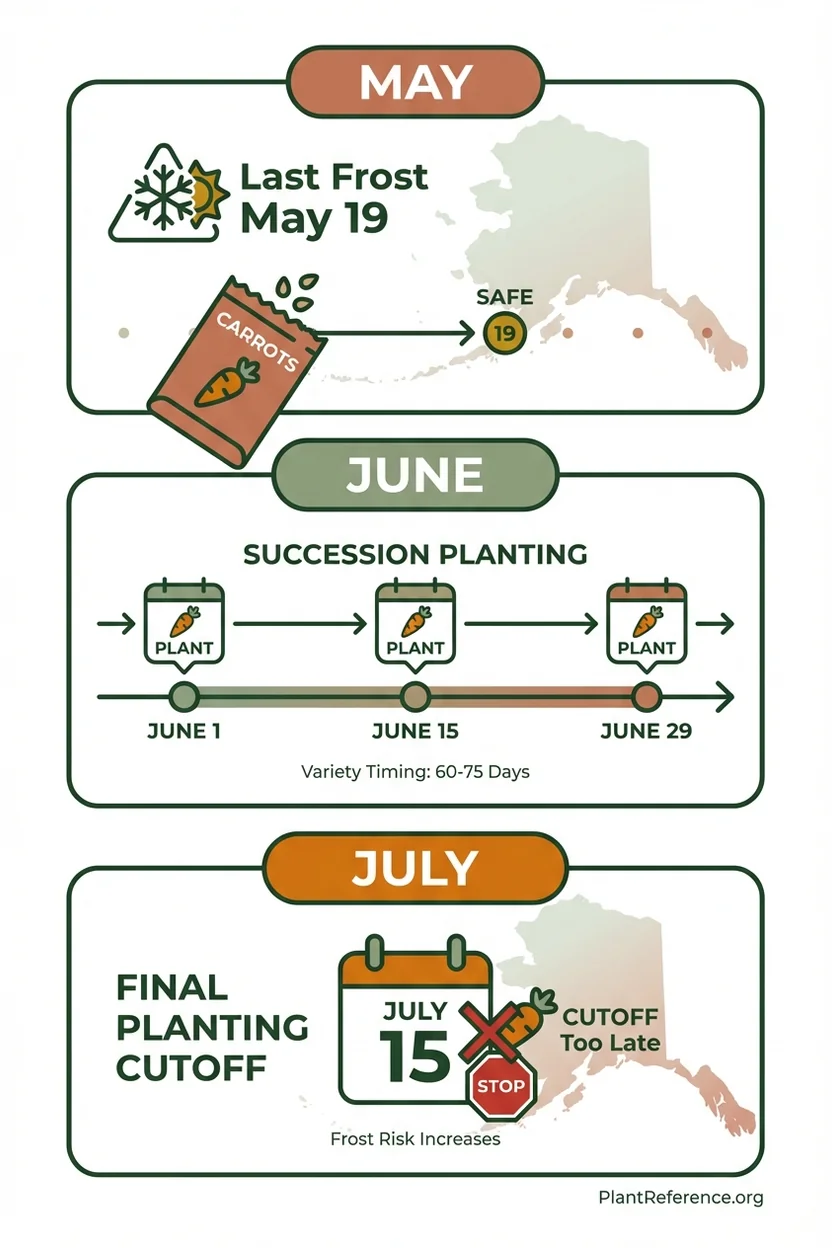
Anchorage's planting window runs from May 19 (last average frost) through June 15 for standard varieties, with ultra-fast types planted through early July. Here's how I time plantings for maximum success:
Spring Planting Schedule
Main Crop Planting: May 19-June 1
Plant your primary carrot crop immediately after the last frost date. Soil temperature should reach at least 45°F (7°C) for reliable germination. I use a soil thermometer—it's worth the $10 investment for short-season success.
Plant Daucus carota 'Scarlet Nantes' and Daucus carota 'Napoli' during this window for harvest beginning in late July through August. These varieties need the full season to develop proper size and sweetness.
Succession Plantings: June 1-15
Make second and third plantings every 2 weeks through mid-June using 65-day varieties. Daucus carota 'Little Finger' works perfectly for these later sowings, producing baby carrots just as your main crop finishes.
Final Planting: June 15-July 5
Only attempt this with ultra-fast varieties like Daucus carota 'Paris Market' (60 days). Count backward from September 14—these plantings barely make it before first frost, but they extend your harvest window into September.
Soil Warming Strategies
Alaska's soil stays cold well into May. I warm planting beds using these techniques:
Black Plastic Method: Cover prepared beds with black plastic sheeting in early May, 2 weeks before planting. This raises soil temperature 5-10°F faster than uncovered beds.
Row Covers: Install low tunnels with clear plastic row covers over seeded rows. Remove once seedlings emerge to prevent overheating during Anchorage's long summer days.
Raised Beds: Elevate planting areas 8-12 inches above ground level. Raised soil drains better and warms faster than grade-level beds—crucial for Alaska's short season.
Complete Growing Guide for Anchorage
Success with carrots in Alaska requires attention to every detail. The margin for error is slim when you're working with just 118 days, so proper soil preparation and consistent care make the difference between success and failure.
Soil Requirements for Zone 4b
Anchorage carrots need loose, well-draining soil to develop straight roots before the September freeze. Heavy clay or compacted soil results in forked, stunted carrots that never reach eating quality.
Soil Preparation Protocol:
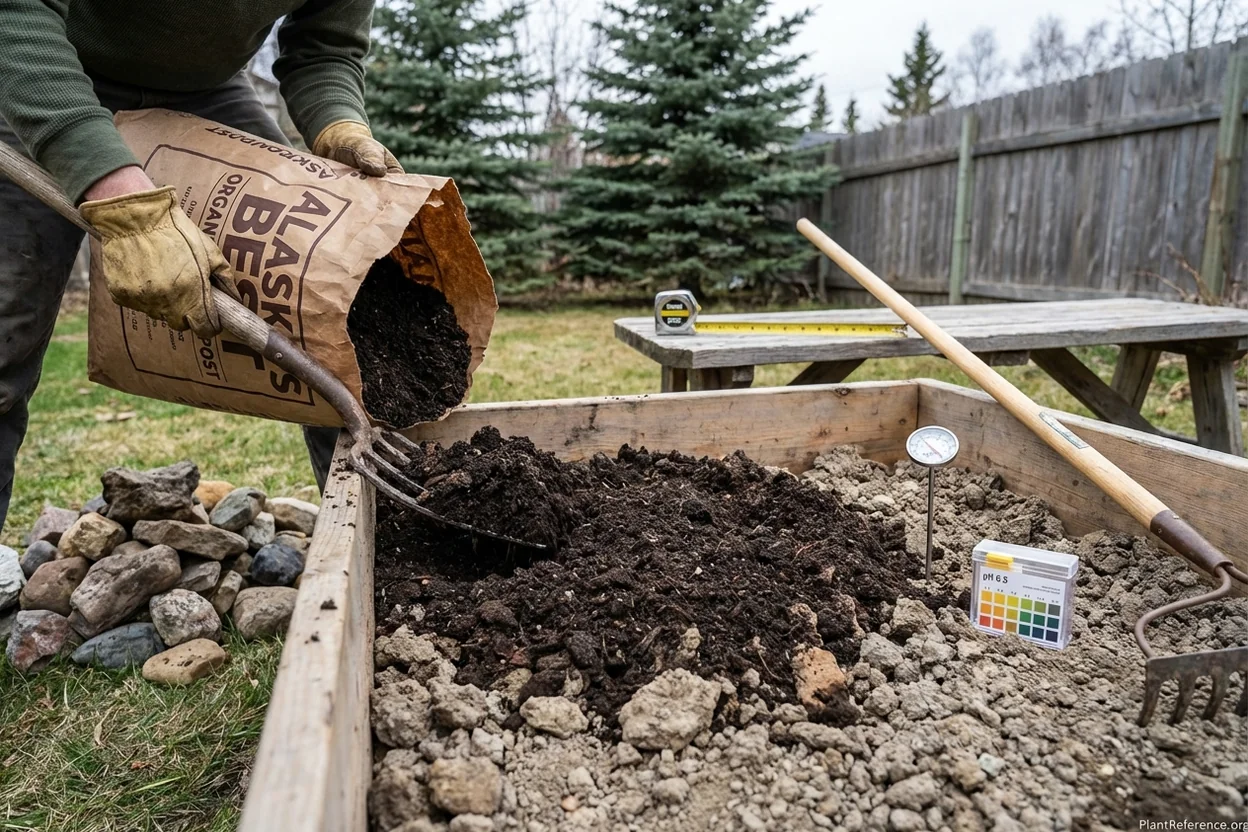
Dig beds to 12-inch depth in early May. Remove rocks larger than a quarter—even small stones cause carrot roots to fork in Alaska's dense soils. Mix in 4 inches of compost or well-aged manure to improve drainage and add organic matter.
pH Requirements: Test soil pH—it should read 6.0-6.8. Alaska soils often run acidic due to high rainfall and organic matter decomposition. Add lime in fall if pH drops below 6.0.
Drainage Testing: Dig a 12-inch hole and fill with water. If water remains after 24 hours, install drainage tile or build raised beds. Carrots rot quickly in waterlogged soil, especially during Alaska's cool, damp conditions.
Seeding Techniques for Cold Climate
Getting carrot seeds to germinate in Alaska's cool conditions requires specific techniques I've refined over decades of northern gardening.
Pre-Sprouting Method: Soak seeds in warm water 24 hours before planting. This breaks dormancy and speeds germination by 3-5 days—valuable time in Anchorage's short season.
Planting Depth: Sow seeds 1/4 inch deep in rows spaced 12 inches apart. Deeper planting delays emergence; shallower risks drying out. Cover with fine compost rather than soil—it won't crust as temperatures fluctuate.
The Board Technique: Place a board over newly seeded rows to maintain moisture and warmth. Check daily starting day 5—remove the board immediately when first green shoots appear. This method ensures even germination in Alaska's variable spring weather.
Thinning and Spacing
Proper spacing determines final carrot quality. Crowded carrots produce twisted, stunted roots unsuitable for storage—a critical consideration for Anchorage's isolated location.
First Thinning: When seedlings reach 2 inches tall, thin to 1 inch spacing using small scissors. Pulling disturbs neighboring roots in Alaska's dense soils.
Final Thinning: At 4 inches tall, thin to final spacing: 2 inches for Nantes types, 1.5 inches for Chantenay varieties. Save thinnings—these baby carrots are a delicacy and extend your harvest.
Water Management in Alaska
Anchorage receives 16 inches of annual precipitation, but summer distribution is uneven. Consistent moisture prevents splitting and ensures steady growth during the short season.
Irrigation Schedule: Provide 1 inch weekly through soaker hoses or drip irrigation. Overhead watering encourages leaf diseases in Alaska's humid summers.
Mulching Strategy: Apply 2-inch layer of straw mulch around plants once they reach 4 inches tall. This conserves moisture and moderates soil temperature during Alaska's extreme day-night temperature swings.
Troubleshooting Anchorage-Specific Problems
Alaska gardening presents unique challenges. Here's how to address the most common issues I see in Anchorage carrot production:
Short Season Stress
Problem: Carrots not sizing up before September frost Cause: Late planting or slow-maturing varieties Solution: Plant by June 1 maximum using 65-day varieties. Use row covers to extend season 2-3 weeks if needed
Soil Compaction Issues
Problem: Forked or stunted roots Cause: Heavy clay soil common in Anchorage area Solution: Double-dig beds and add coarse sand. Switch to Daucus carota 'Paris Market' for problem soils
Germination Failures
Problem: Poor emergence or uneven stands Cause: Cold soil and temperature fluctuations Solution: Pre-warm beds with black plastic. Use board method for consistent moisture
Pest Pressure
Problem: Root maggot damage Cause: Carrot rust fly, common in Pacific Northwest including southern Alaska Solution: Install row covers immediately after seeding. Remove for thinning, then replace
Late Season Challenges
Cold Snaps: Unexpected late August cold can slow growth. Protect with row covers or harvest small but usable carrots rather than risk total loss.
Wet Conditions: September rains can cause root rot. Improve drainage and consider early harvest if weather turns persistently wet.
Daylight Changes: As days shorten in late August, growth slows significantly. Count growing days from planting, not calendar dates.
Harvest & Storage
Anchorage's brief harvest window runs from mid-July through mid-September, depending on variety and planting date. Proper timing and storage techniques extend your carrot supply through Alaska's long winter.
Harvest Timing
Early Varieties (55-65 days): Daucus carota 'Little Finger' and Daucus carota 'Paris Market' ready by mid-July from May plantings. Harvest when roots reach 1/2 to 3/4 inch diameter for peak tenderness.
Main Season (65-75 days): Daucus carota 'Scarlet Nantes' and Daucus carota 'Napoli' mature August through early September. These varieties actually improve in quality after light frost, converting starches to sugars for superior sweetness.
Quality Indicators: Mature carrots show bright orange color and crisp texture. Overmature carrots develop white cores and lose sweetness—harvest promptly in Alaska's compressed season.
Cold Storage Techniques
Alaska's climate is perfect for root cellaring carrots through winter. I've stored carrots successfully until March using these methods:
In-Ground Storage: Leave Daucus carota 'Napoli' in beds until soil freezes. Cover with 12 inches of straw mulch, then waterproof tarp. Dig through winter as needed—frozen ground preserves carrots perfectly.
Root Cellar Storage: Clean carrots but don't wash. Remove tops, leaving 1/2 inch stem. Pack in damp sand in boxes. Store at 32-35°F with high humidity. Properly stored carrots last 4-6 months.
Refrigerator Method: For smaller quantities, store in perforated plastic bags in refrigerator crisper. Don't wash until ready to use. Keeps 2-3 months with excellent quality.
Alaska carrots stored this way taste sweeter than store-bought varieties and provide fresh vegetables when local options are limited and expensive.
Frequently Asked Questions
Reading about plants and recognising them are different skills. These three build the second.
- Daily PlantIdentify the day’s mystery plant from a close-up photograph.
- Keyed OutWork a dichotomous key, lead by lead, to name a hidden specimen.
- Name That PlantName a specimen from botanical clues dealt hardest first.
Free to play, no account needed
Tom is a lifelong Alaskan who gardens in Anchorage, where the growing season is short but intense. He works for the state cooperative extension service and has spent years figuring out what works in a climate where the ground freezes deep, the growing season starts in late May, and you get 19 hours of daylight in June. Tom grows cold-hardy vegetables, maintains a collection of boreal-adapted perennials, and experiments with season extension using cold frames and row covers. He writes about the realities of northern gardening—the unique advantages (those long summer days produce remarkable growth) and the genuine limitations. Tom's tone is calm and practical, with the quiet humor of someone who's gardened through Alaskan winters for decades.