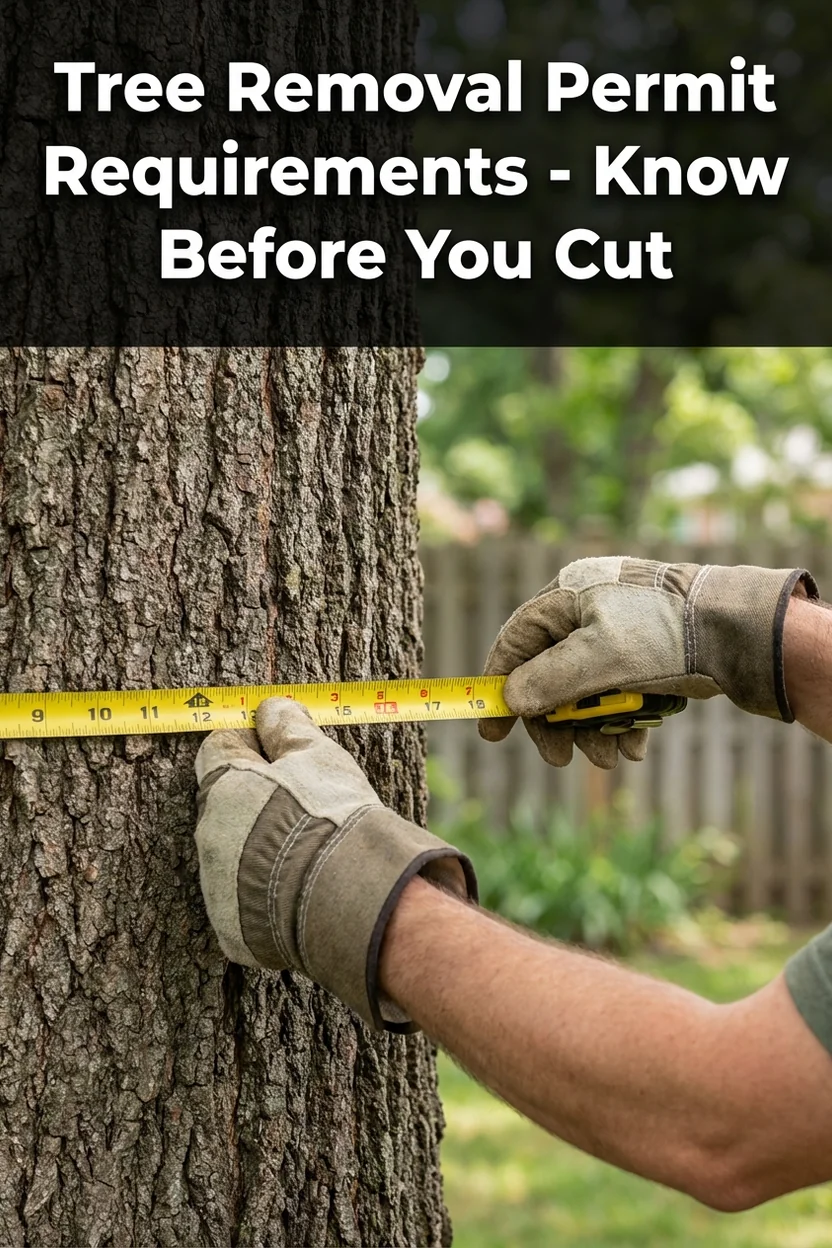
Do I Need a Permit to Remove a Tree? A State-by-State Guide
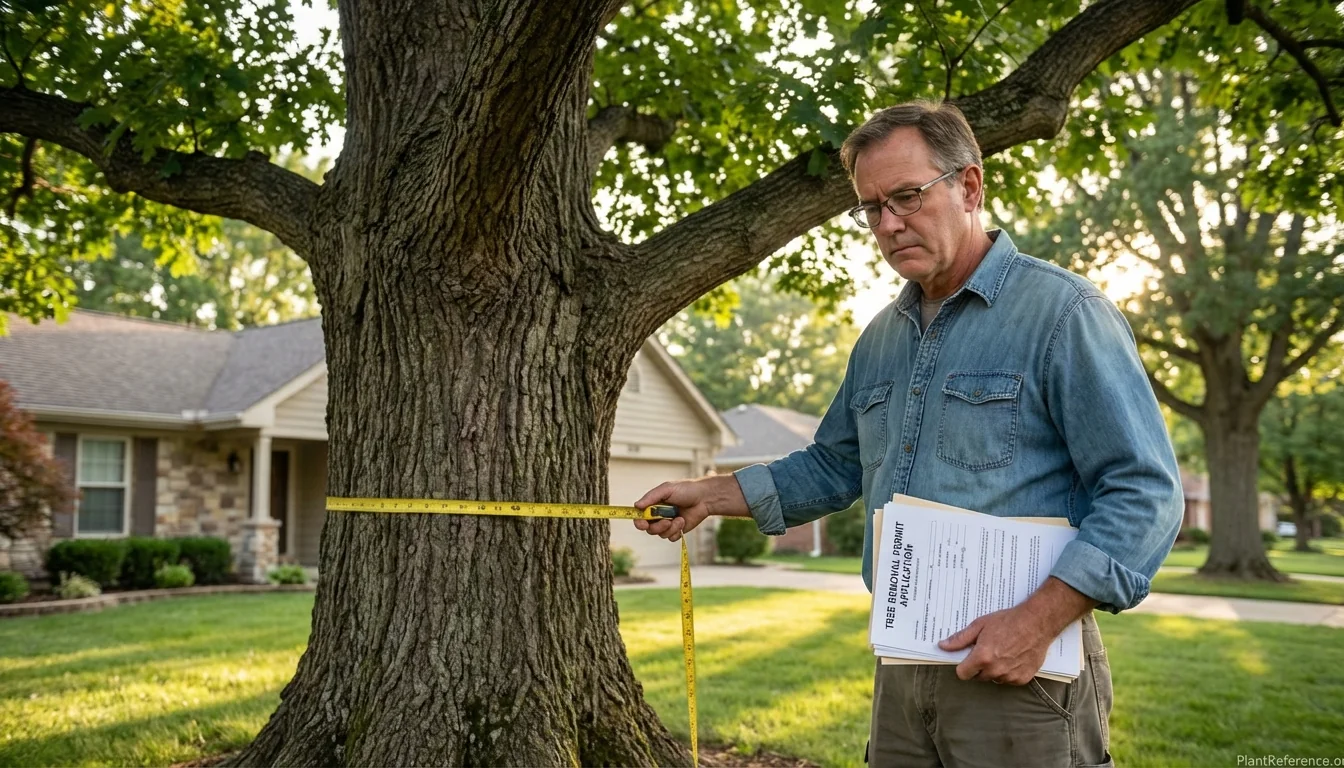
— Image © Plant Reference 2026
Wondering if you need permission to remove that problem tree in your yard? The answer depends on where you live, the tree's size, and its condition—but I've seen too many homeowners get hit with massive fines because they assumed it was their property, their choice.
Understanding Tree Protection Ordinances
After forty years helping people navigate tree regulations, I can tell you that tree protection ordinances vary dramatically from city to city. These local laws exist because municipalities recognize trees as public assets that provide stormwater management, air quality improvement, and cooling benefits worth thousands of dollars per tree.
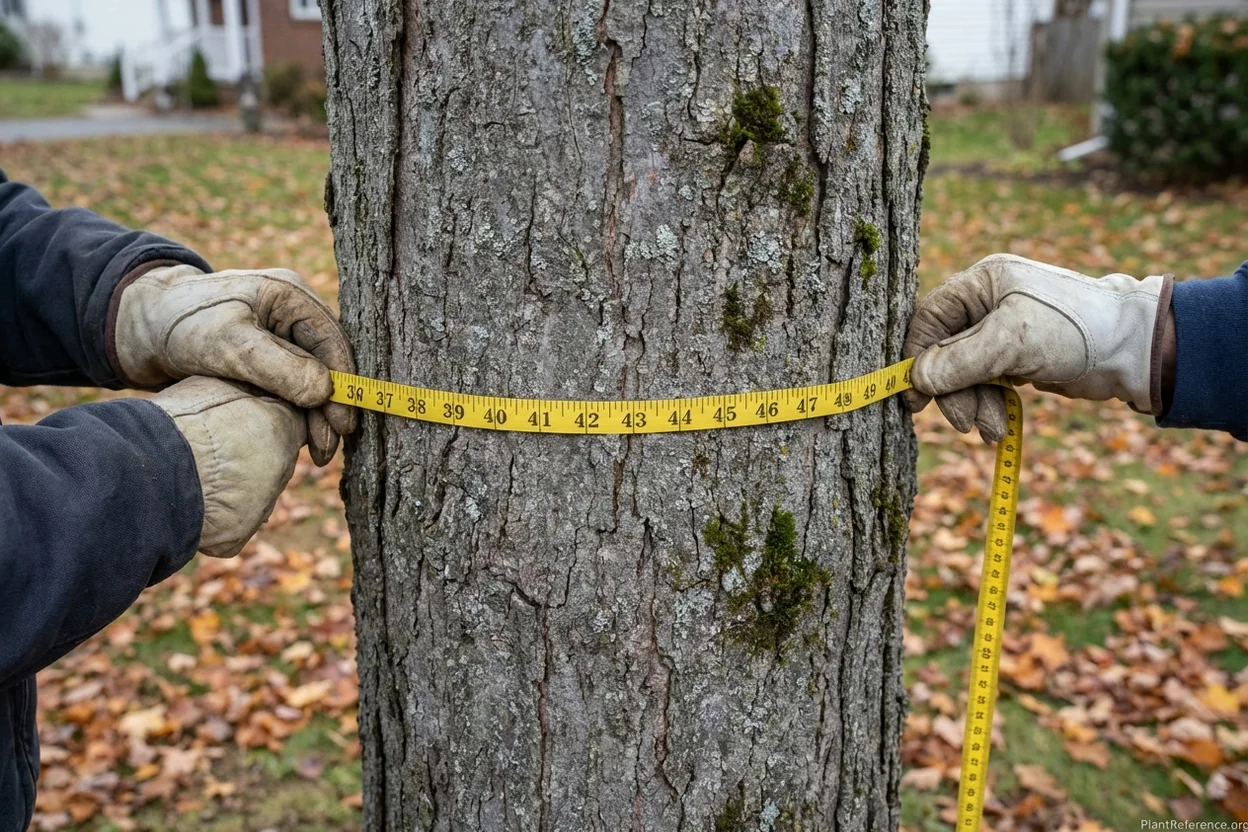
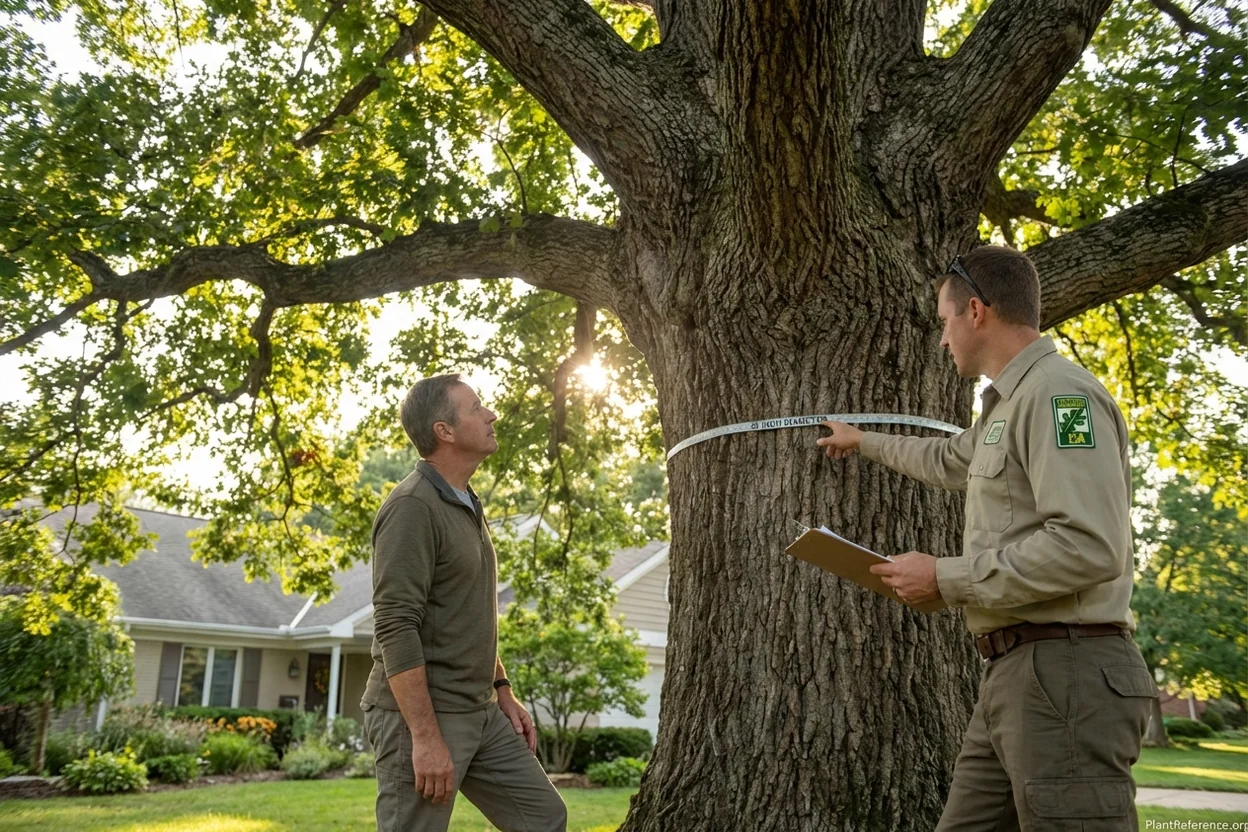
The basic principle is simple: once a tree reaches a certain size, it's considered a community resource regardless of whether it's on private property. Most ordinances protect trees based on diameter at breast height (DBH)—that's the measurement taken at 4.5 feet (1.4 m) above ground level.
Tree protection ordinances typically establish several key elements:
Minimum size thresholds for protection (usually 6-12 inches DBH)
Enhanced protections for heritage or landmark trees (24+ inches DBH)
Permit application requirements and fees
Replacement ratios when removal is approved (1:1 to 3:1 trees planted per tree removed)
Penalties for unpermitted removal
Emergency removal procedures
The legal authority comes from municipal police power—the same authority cities use to regulate building construction and business operations. Courts consistently uphold tree ordinances as legitimate government regulation serving the public welfare.
When You Need a Tree Removal Permit
The size threshold varies by municipality, but here's what I see most commonly:
Standard Protection Threshold: Most cities protect trees 6 inches DBH and larger. This catches most mature trees while allowing removal of saplings and small specimens.
Common 8-12 Inch Thresholds: Many municipalities set the bar at 8-12 inches DBH, recognizing that smaller trees haven't yet developed significant community value.
Heritage Tree Protection: Trees 24 inches DBH and larger typically receive enhanced protection with stricter removal standards and higher replacement ratios.
Species-Specific Protections: Some cities provide enhanced protection for certain species regardless of size. California protects oak trees, Southern California black walnut, western sycamore, and California bay laurel under special regulations.
The condition of the tree matters significantly. Most ordinances allow removal of dead, dying, or hazardous trees with less stringent requirements—but you'll still typically need documentation from an ISA Certified Arborist confirming the tree's condition.
State and Regional Variations
Let me walk you through the patterns I've observed across different regions:
California: Assembly Bill 803 mandates urban forest programs as greenhouse gas reduction strategies. Beyond state requirements, cities like Los Angeles and San Francisco have comprehensive tree protection with permits required for most mature trees. Oak trees receive special protection regardless of location.
Florida: Florida Statute 163.045 allows homeowners to remove trees on their property if an ISA Certified Arborist certifies the tree poses "unacceptable risk"—but this doesn't apply to mangrove species, which require state Department of Environmental Protection permits under the Mangrove Trimming and Preservation Act.
Southeast: Atlanta completely overhauled its tree protection ordinance in 2025, implementing a flat $140 fee per inch of DBH for removal permits. The city can fine violators up to $200,000 per acre for unpermitted removal—the highest penalties I've seen anywhere.
Pacific Northwest: Portland updated its Title 11 Tree Code in 2026, reducing protection thresholds and increasing recompense fees for removing healthy landmark trees. Seattle's tiered protection system creates different rules based on tree size and species.
Northeast: Cities like New York and Philadelphia typically protect trees 6 inches DBH and larger, with heritage trees receiving enhanced protection above 24 inches.
The key point: state law generally doesn't regulate tree removal on private property, leaving regulation to municipal ordinances. Always check with your specific city or county—don't assume neighboring communities have the same rules.
Heritage and Landmark Tree Protections
Heritage trees—typically defined as 24 inches DBH or larger—receive the strictest protections under most ordinances. These mature specimens represent decades or centuries of growth and provide disproportionate environmental benefits.
Heritage tree removal typically requires:
Detailed arborist report documenting tree condition and justification for removal
Higher permit fees (often $1,000-$5,000+)
Public notification periods allowing community input
Replacement ratios of 2:1 or 3:1 (two to three trees planted per heritage tree removed)
Alternative mitigation like contributing to city tree funds
Some cities maintain heritage tree registries with enhanced protections for historically or culturally significant specimens. These might include trees planted by notable figures, unusual species for the region, or trees associated with historic properties.
The economic impact is substantial. Using CTLA (Council of Tree and Landscape Appraisers) methodology, a 30-inch DBH mature oak might be appraised at $15,000-$30,000 based on species, condition, and location factors.
Permit Application Process
Based on the hundreds of permit applications I've helped homeowners navigate, here's the typical process:
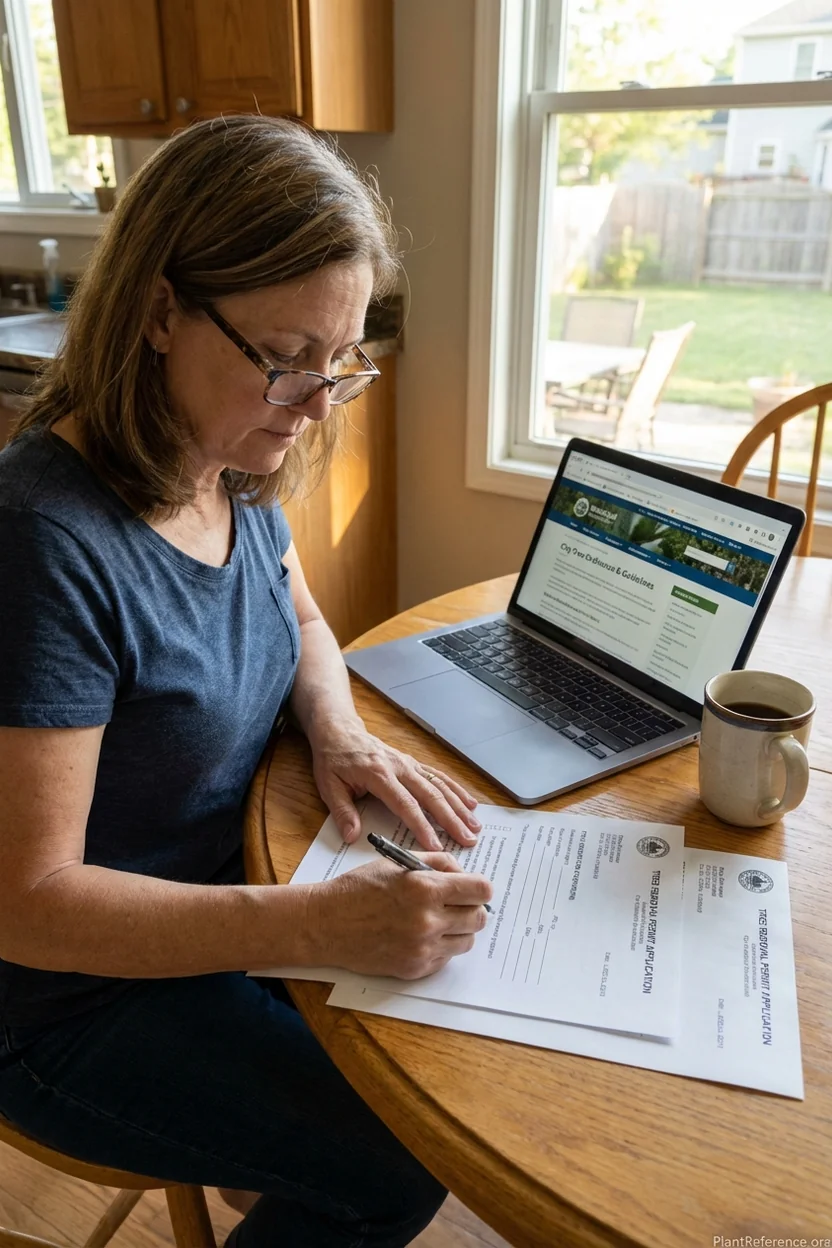
Step 1: Verify Requirements Check your city's website or call the planning department. Look for terms like "tree ordinance," "urban forestry," or "landscape regulations." Some cities integrate tree protection into their unified development ordinance.
Step 2: Measure the Tree Measure diameter at 4.5 feet (1.4 m) above ground level. For trees on slopes, measure from the uphill side. Multi-stem trees are often calculated differently—check your local rules.
Step 3: Document Justification Most cities require explanation of why removal is necessary. Valid reasons typically include:
Tree is dead, dying, or diseased beyond recovery
Tree poses imminent safety hazard to people or property
Construction project requires removal (with mitigation requirements)
Tree is inappropriate for location and causing structural damage
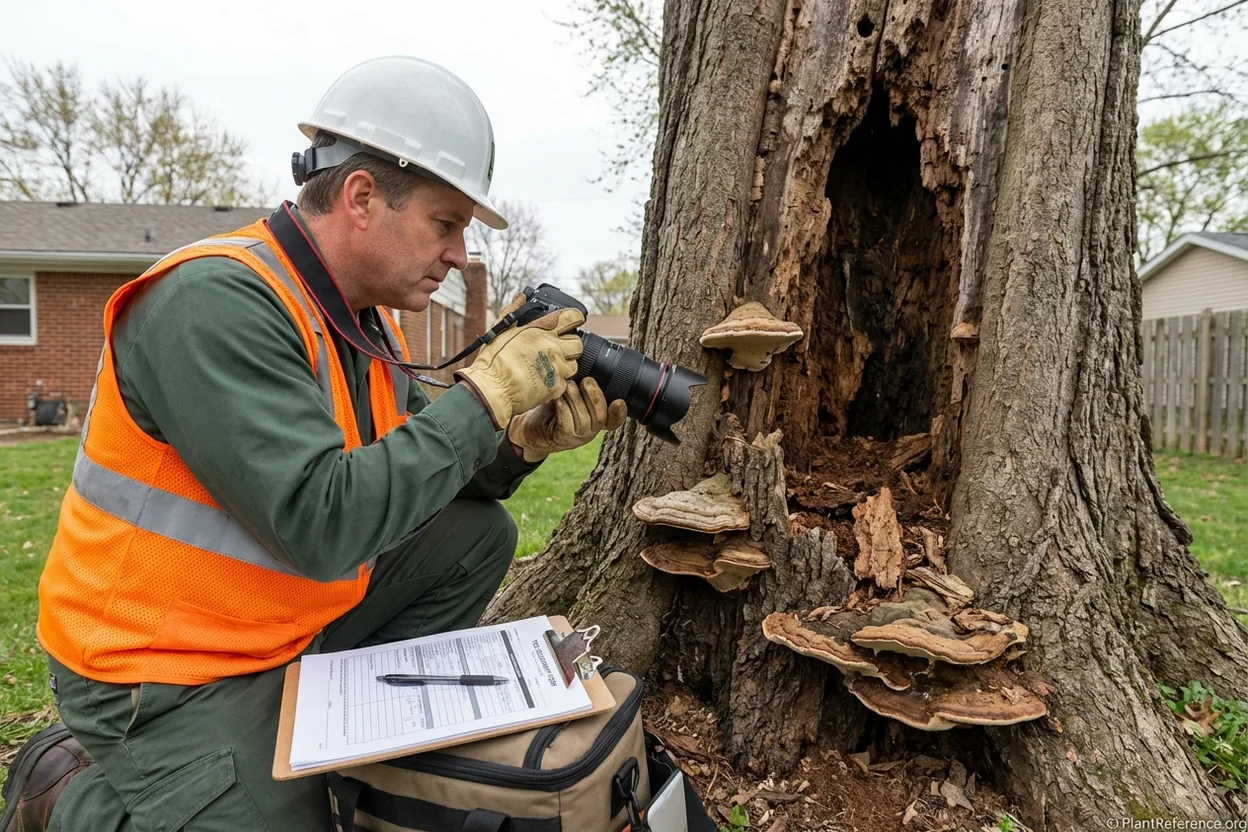
Step 4: Professional Assessment Many cities require evaluation by an ISA Certified Arborist, particularly for heritage trees or when claiming the tree is hazardous. This report typically costs $200-$500 but provides legal protection and documentation.
Step 5: Submit Application Applications typically include permit fees ($50-$500+ depending on tree size and city), site plans showing tree location, photos of the tree, and any required professional reports.
Step 6: Wait for Approval Processing times range from 2-8 weeks depending on the city and complexity. Some cities require public notification periods for heritage trees.
Penalties for Unpermitted Removal
This is where homeowners get into serious trouble. The penalties for unpermitted tree removal have increased dramatically as cities recognize the economic value of urban forests.
Typical Fine Structure:
Small trees (6-12 inches): $500-$2,000 per tree
Large trees (12-24 inches): $1,000-$5,000 per tree
Heritage trees (24+ inches): $2,500-$10,000 per tree
Extreme Examples:
Atlanta: Up to $200,000 per acre for unpermitted removal
Many California cities: $10,000+ per heritage oak
Portland: "Recompense" fees based on replacement value calculations
Beyond fines, violators typically must:
Pay replacement costs (often 2:1 or 3:1 ratios)
Plant replacement trees of specified size and species
Maintain replacement trees for 2-3 years with guarantees
Pay administrative costs and enforcement fees
Legal Complications: Unpermitted tree removal can complicate property sales, insurance claims, and neighbor disputes. Some cities place liens on properties until violations are resolved.
I've seen homeowners face $15,000-$25,000 total costs for removing a single heritage tree without permits—far more than the $1,000-$3,000 it would have cost to do it legally.
Legal Exemptions and Emergency Situations
Most tree protection ordinances include emergency provisions, but the definition of "emergency" is typically narrow:
True Emergencies (Usually Exempt):
Tree has fallen and is blocking roads or access
Imminent failure threatening life or property (within 24-48 hours)
Storm damage creating immediate hazards
Utility company emergency repairs
NOT Emergencies:
Inconvenient location or mess from tree
Blocking views or solar panels
Root damage to driveways (usually considered maintenance issue)
Leaf litter or seasonal issues
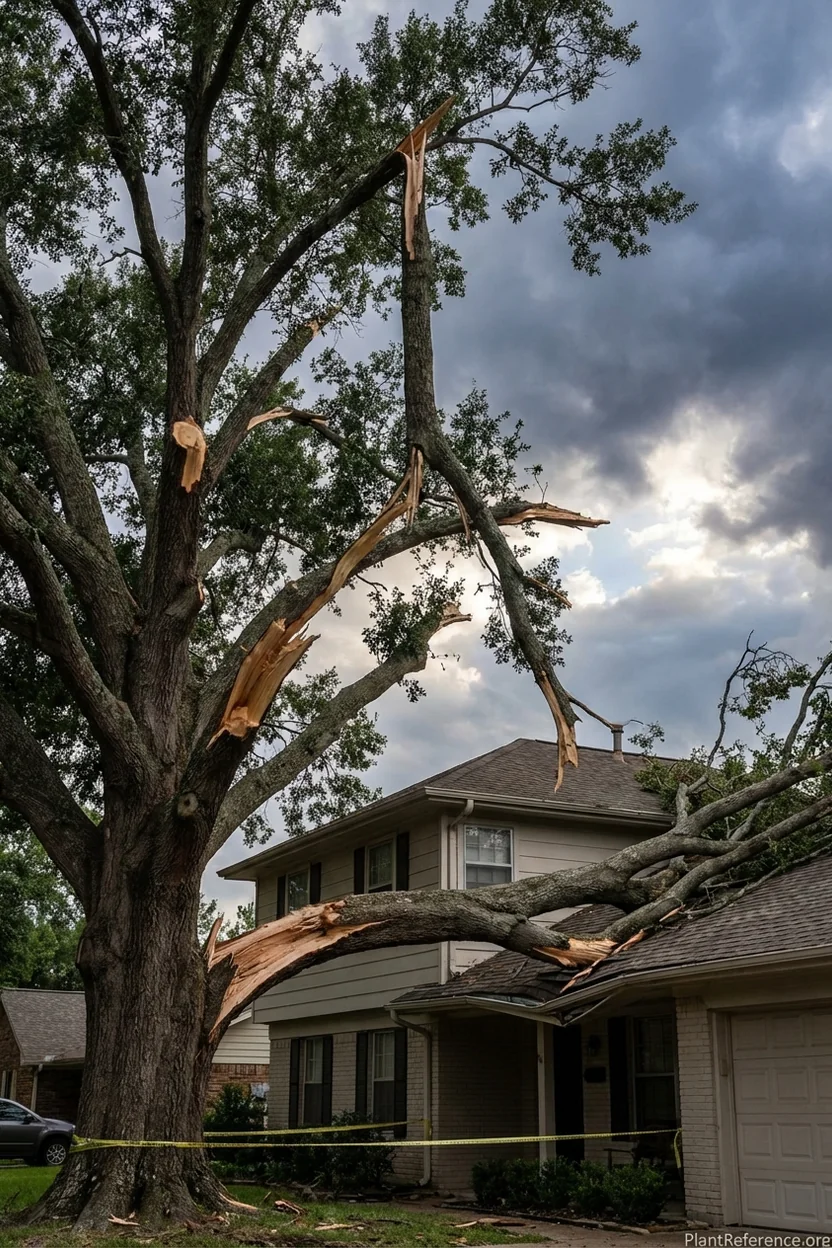
Post-Emergency Requirements: Even in genuine emergencies, many cities require notification within 24-72 hours and documentation of the emergency conditions.
Utility Exemptions: Public utilities typically have easement rights allowing tree removal for safety and service reliability, but they're increasingly required to follow pruning standards and consider alternatives.
Construction Projects: Building permits often trigger tree protection requirements. Developers must show all protected trees on site plans and demonstrate compliance with tree preservation ordinances.
How to Check Your Local Requirements
Finding your local tree protection ordinance requires some detective work since cities organize regulations differently:
Start with City Website: Search for "tree ordinance," "urban forestry," "landscape code," or "municipal code." Many cities have dedicated urban forestry pages with permit information.
Check Planning/Development Department: Tree regulations often fall under community development, planning, or building permit divisions.
Call City Hall: When in doubt, call the main number and ask to speak with someone about "tree removal permits" or "urban forestry."
Look for Integration: Some cities integrate tree protection into:
Unified Development Ordinance (UDO)
Landscaping and buffering requirements
Environmental protection sections
Building permit requirements
Professional Resources: The International Society of Arboriculture (ISA) maintains directories of local certified arborists who understand regional regulations. Tree care companies familiar with your area can often provide guidance.
Neighborhood Resources: Homeowner associations and neighborhood groups often maintain information about local tree regulations, especially in areas with active urban forestry programs.
Remember that regulations change—Portland updated its tree code in 2026, Atlanta overhauled fees in 2025, and many cities regularly adjust ordinances based on urban forest management plans.
The bottom line: always verify current requirements before removing any tree over 6 inches diameter. A thirty-minute phone call can save you thousands in fines and replacement costs.
For complex situations involving heritage trees, property development, or questionable tree health, invest in a consultation with an ISA Certified Arborist. Their professional assessment and documentation provide legal protection and ensure compliance with local requirements.
Remember, these trees took decades to grow—removing them without proper permits can cost far more than following the rules from the start.
Frequently Asked Questions
Reading about plants and recognising them are different skills. These three build the second.
- Daily PlantIdentify the day’s mystery plant from a close-up photograph.
- Keyed OutWork a dichotomous key, lead by lead, to name a hidden specimen.
- Name That PlantName a specimen from botanical clues dealt hardest first.
Free to play, no account needed
Aisha manages a small tropical nursery on the east side of Houston, specializing in plants that can handle the Gulf Coast's humidity, heat, and unpredictable flooding. She studied horticulture in college and worked at a wholesale grower before opening her own operation. Growing up, her parents kept a kitchen garden with okra, bitter gourd, and curry leaf plants—a tradition she's continued. Houston's subtropical climate lets her grow things most of the country can't, but it also means dealing with fungal issues, standing water, and summers where it's too hot for even tomatoes. Aisha writes about tropical and subtropical plant care, humidity management, and working with heavy clay soils.