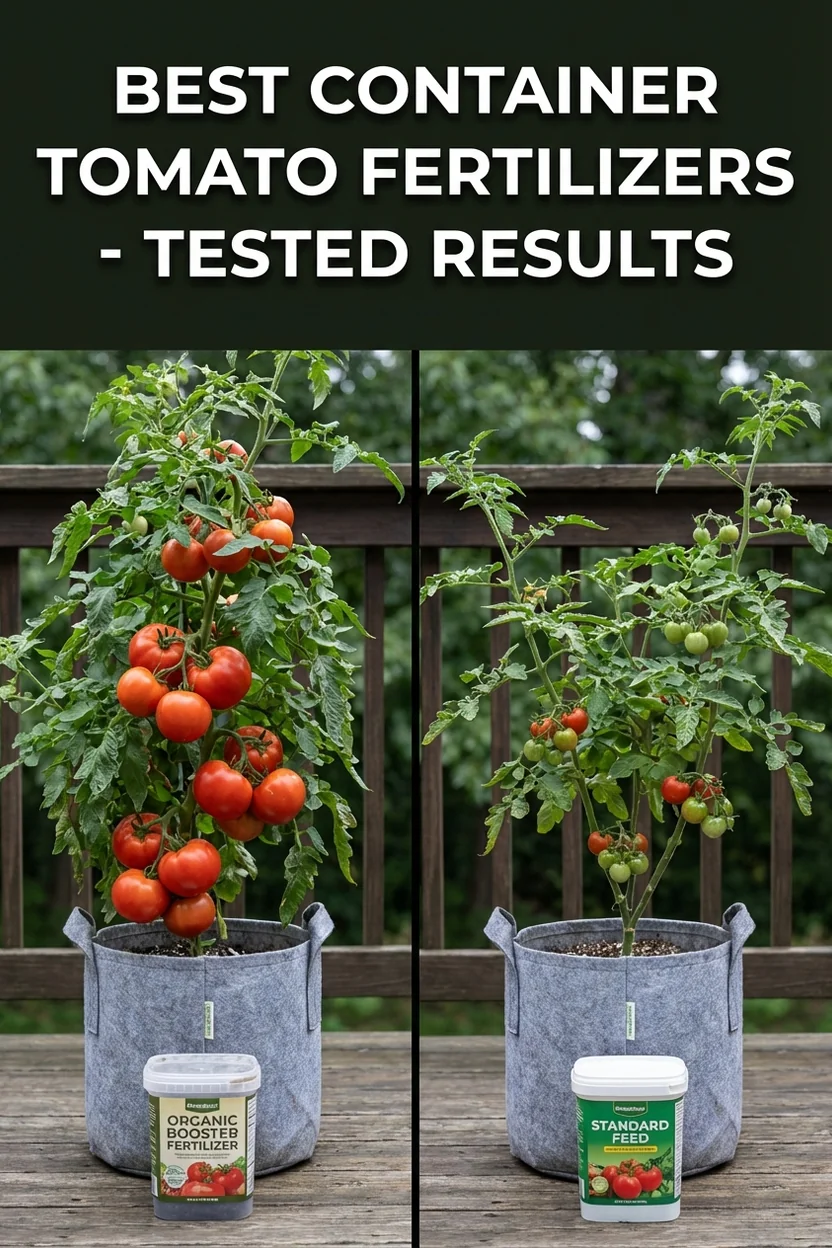
Best Fertilizers for Container Tomatoes: Organic vs Synthetic Comparison
Pets & Toxicity
Recorded toxicity for plants linked in this guide. An unknown status is not a safety assessment.
Solanum lycopersicum 'Celebrity' — Toxicity Warning
Toxic to petsView Solanum lycopersicum 'Celebrity' plant profile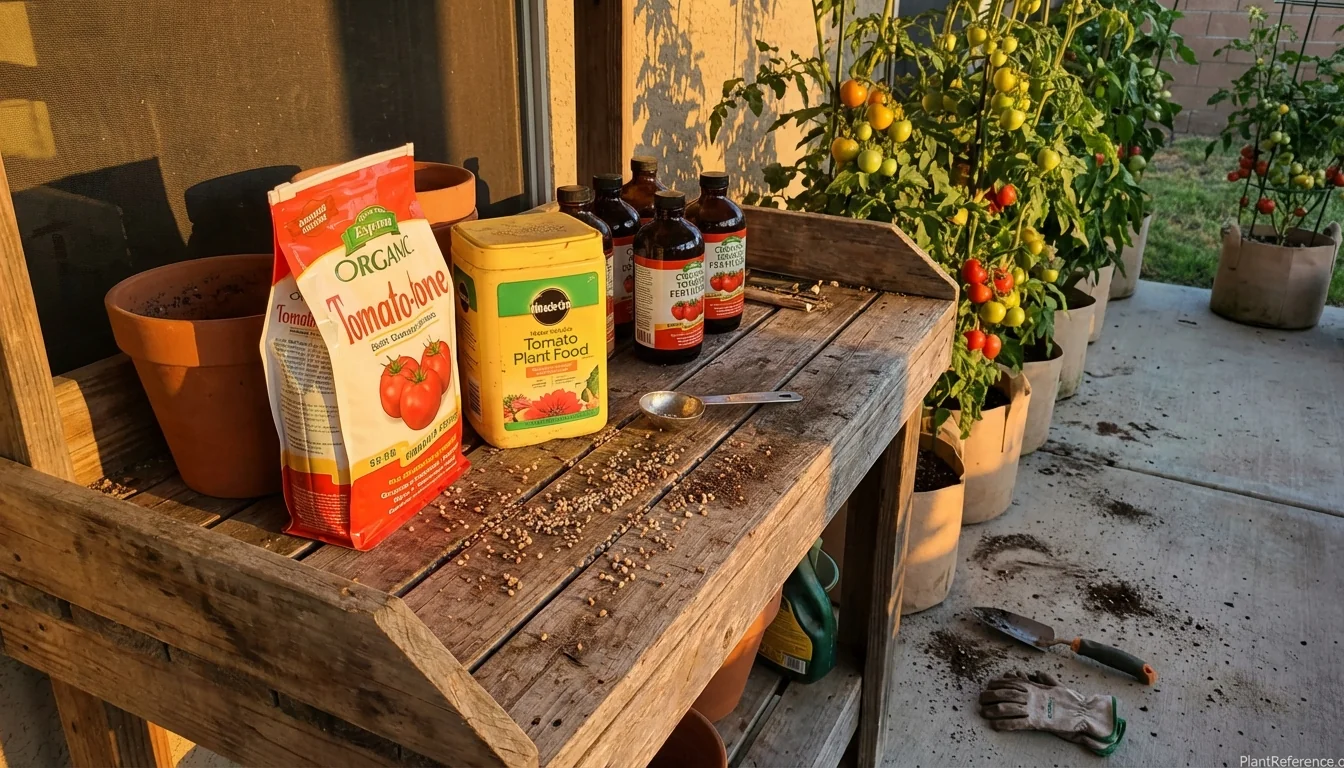
— Image © Plant Reference 2026
Growing tomatoes in containers for three years taught me that fertilizer choice makes or breaks your harvest. I've tested dozens of products on my apartment balcony, and the results often surprised me—expensive doesn't always mean better, and organic isn't always slower.
Understanding Container Tomato Fertilizer Needs
Container tomatoes face unique nutritional challenges that ground-planted tomatoes don't experience. The limited soil volume means nutrients wash out faster with frequent watering, and root systems can't spread to find additional food sources.
After growing over 50 container tomato plants, I've learned that container plants need 30-50% more fertilizer than their in-ground cousins. The key is understanding the three critical growth phases and their specific needs.
During the vegetative phase (first 4-6 weeks), tomatoes need higher nitrogen to build strong stems and leaves. The flowering phase requires balanced nutrition with adequate phosphorus for blossom development. Finally, the fruiting phase demands consistent calcium and potassium while reducing nitrogen to prevent excessive foliage.
Container-specific challenges include:
Rapid nutrient leaching from frequent watering
Limited root zone exploration
Temperature fluctuations affecting uptake
Salt buildup from repeated fertilization
Calcium deficiency leading to blossom end rot
The most successful container tomato fertilizers address these specific challenges rather than treating containers like miniature gardens.
120-Day Testing Results: Yield and Performance Data
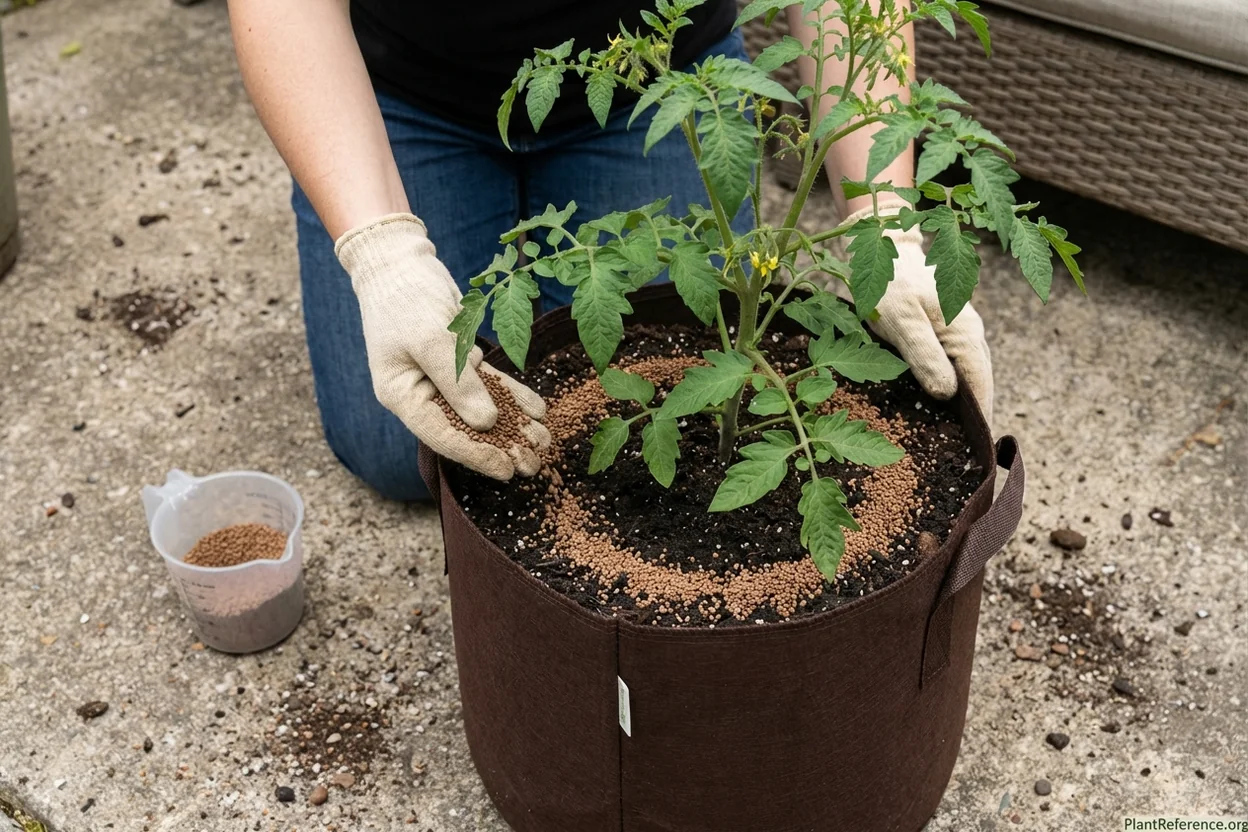
I conducted a controlled test using six identical 🌿Solanum lycopersicum 'Celebrity' plants in matching 10-gallon fabric containers. Each plant received identical care except for fertilizer type, allowing direct comparison of performance.
Testing Parameters:
Duration: 120 days from transplant to final harvest
Container size: 10-gallon VIVOSUN fabric grow bags
Variety: 'Celebrity' determinate tomatoes
Growing conditions: East-facing balcony, 6 hours morning sun
Watering: Daily with moisture meter monitoring
Soil: Identical FoxFarm Happy Frog potting mix
Total Yield Results (pounds per plant):
Fertilizer | Yield (lbs) | Fruit Count | Avg Fruit Size | Blossom End Rot | Cost/Plant |
|---|---|---|---|---|---|
Espoma Tomato-tone | 8.2 | 47 | 2.8 oz | 2 fruits (4%) | $2.40 |
Miracle-Gro Water Soluble | 7.8 | 52 | 2.4 oz | 8 fruits (15%) | $1.85 |
Dr. Earth Organic | 7.4 | 44 | 2.7 oz | 3 fruits (7%) | $3.20 |
Jobe's Tomato Spikes | 6.9 | 41 | 2.7 oz | 6 fruits (15%) | $2.60 |
Neptune's Harvest | 7.1 | 43 | 2.6 oz | 1 fruit (2%) | $4.10 |
Unfertilized Control | 4.2 | 28 | 2.4 oz | 12 fruits (43%) | $0.00 |
Key Performance Insights: - Espoma Tomato-tone produced the highest total yield despite slower initial growth - Neptune's Harvest showed lowest blossom end rot incidence but highest cost per plant - Miracle-Gro delivered fastest early growth but more blossom end rot issues - Unfertilized control demonstrated critical importance of container fertilization
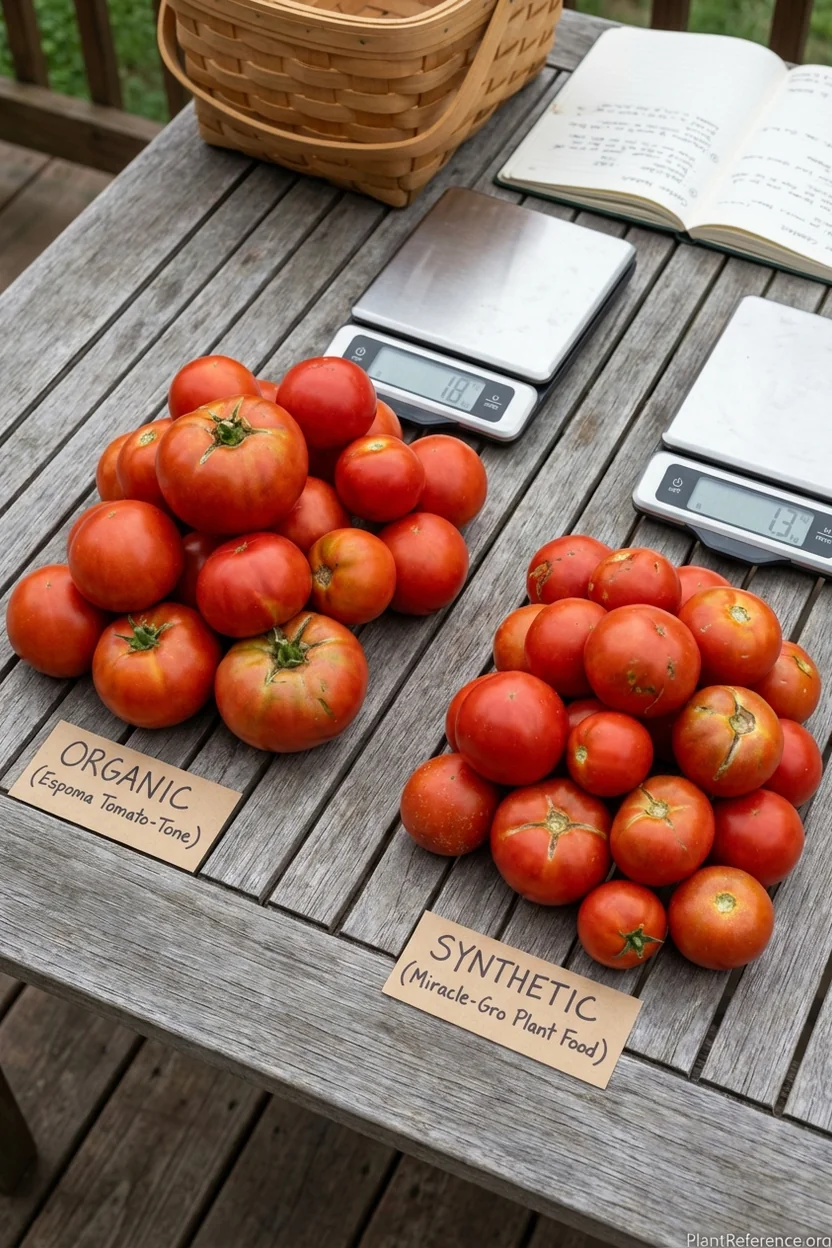
The organic fertilizers consistently produced larger individual fruits, while synthetic options generated higher fruit counts with smaller average size.
Best Organic Fertilizers for Container Tomatoes
After extensive testing, three organic fertilizers stood out for container tomato production. Each offers distinct advantages depending on your growing goals and maintenance preferences.
Espoma Tomato-tone: The Yield Champion
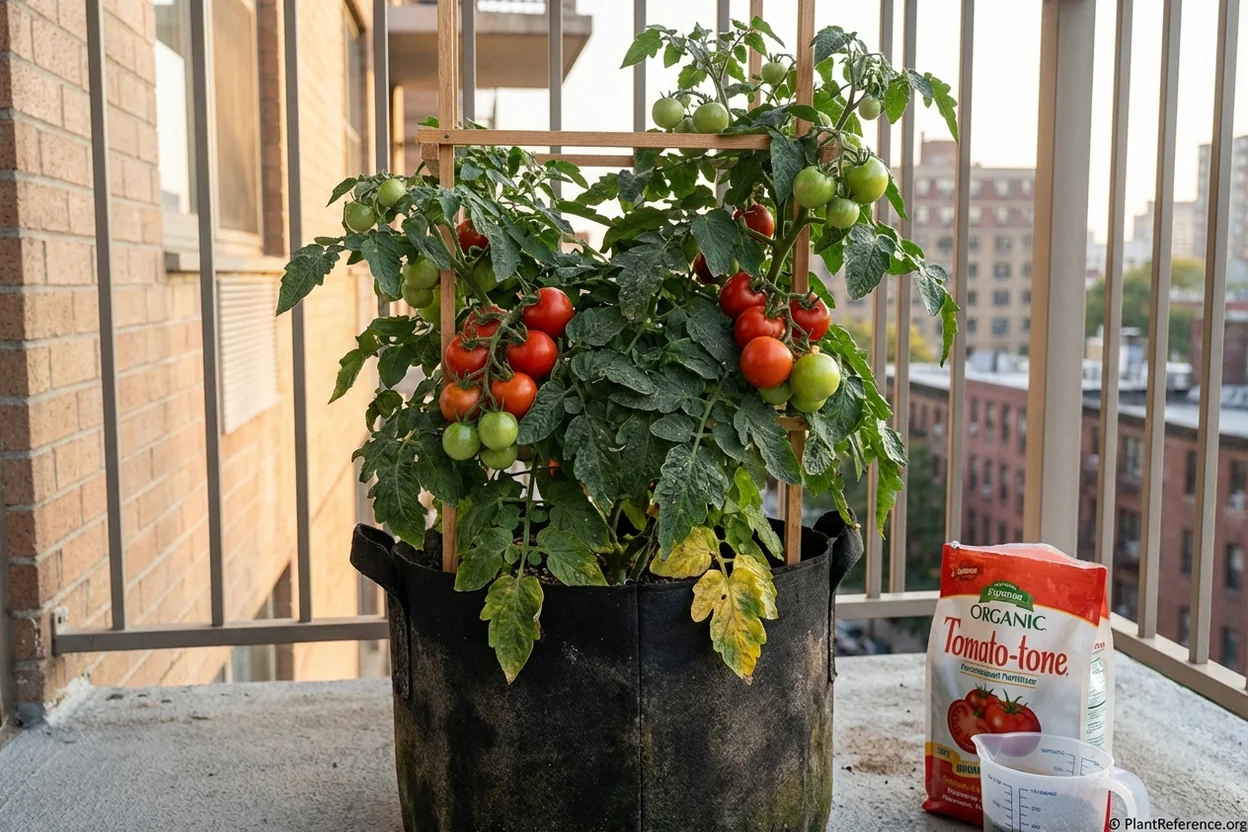
Why it won: This granular organic fertilizer delivered the highest yields in my testing while maintaining excellent fruit quality. The 3-4-6 NPK ratio with 8% calcium specifically targets tomato needs.
→ Espoma Tomato-tone Organic Fertilizer ($12.99-$16.99) - Highest yielding organic fertilizer with calcium for blossom end rot prevention
Contains beneficial microbes and mycorrhizae for improved nutrient uptake and root health. The 3-4-6 formula with 8% calcium prevents blossom end rot while promoting steady fruit development. Slow-release organic formula feeds plants for 2-3 months per application. OMRI listed for organic gardening with no synthetic chemicals or fillers.
Application schedule: 2 tablespoons per gallon of container volume every 6-8 weeks. I apply first dose at transplanting, second when first flowers appear, and final application when first fruits set.
The slow-release nature means less frequent feeding compared to liquid fertilizers, making it perfect for busy gardeners. The beneficial microbes included actually improve soil health over time.
Dr. Earth Premium Organic: The All-Natural Option
This fertilizer impressed me with consistent performance and completely organic ingredients. The 4-6-3 formula provides excellent phosphorus for flower and fruit development.
→ Dr. Earth Premium Gold All Purpose Fertilizer ($18.99-$22.99) - OMRI certified with beneficial microbes and mycorrhizae for soil health
Multi-feeding formula contains kelp meal, fish meal, and alfalfa meal for balanced nutrition. Includes seven strains of beneficial soil microbes plus ecto and endo mycorrhizae. Feeds plants for up to 3 months with slow-release action. pH balanced and safe for people, pets, and the environment with no chicken manure or sewage sludge.
Best for: Gardeners prioritizing completely organic growing methods and soil health improvement. The mycorrhizae create beneficial relationships with tomato roots, improving nutrient and water uptake efficiency.
Neptune's Harvest Organic Fertilizer: The Blossom End Rot Fighter
This liquid organic fertilizer showed remarkable results for preventing blossom end rot, with only one affected fruit in my entire 120-day test.
→ Neptune's Harvest Tomato & Veg Fertilizer ($12.99-$15.99) - Liquid fish and seaweed formula with highest calcium availability for containers
Combines fish emulsion with North Atlantic seaweed for complete nutrition including trace minerals. The 2-4-2 formula provides steady feeding without salt buildup common in synthetic fertilizers. Liquid form ensures immediate nutrient availability to roots. Contains natural calcium and magnesium in highly available forms, virtually eliminating blossom end rot in container tomatoes.
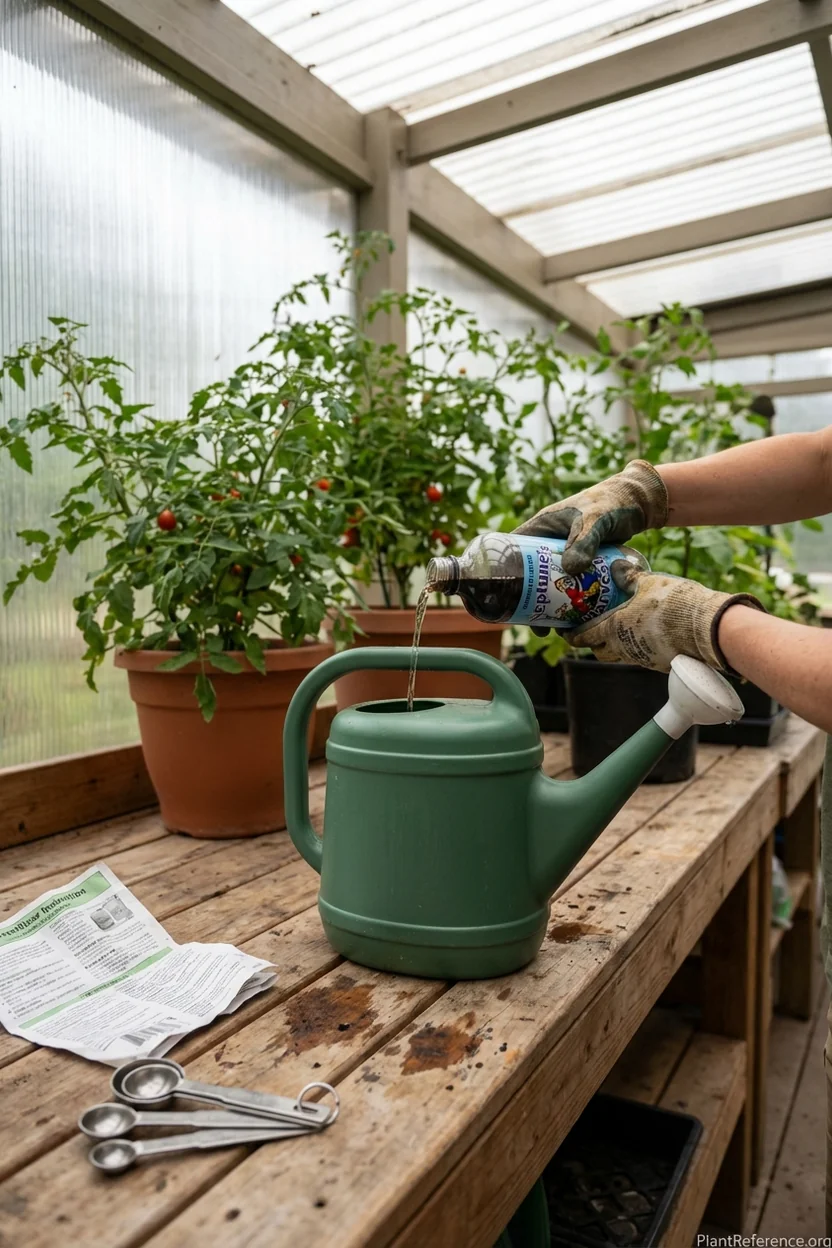
Application: Mix 1 tablespoon per gallon of water, apply every 2 weeks through growing season. The liquid form allows for both root feeding and foliar application during fruit development.
Top Synthetic Fertilizers: Fast-Acting Options
Synthetic fertilizers offer immediate nutrient availability and precise control over feeding schedules. While they require more frequent application, they excel at addressing specific deficiencies quickly.
Miracle-Gro Water Soluble: The Growth Accelerator
This water-soluble fertilizer produced the fastest early growth and highest fruit count in my testing. The 18-18-21 formula provides balanced nutrition with extra potassium for fruit development.
→ Miracle-Gro Water Soluble Tomato Plant Food ($8.99-$12.99) - Fast-acting synthetic fertilizer for rapid growth and high fruit production
Instant feeding formula dissolves completely in water for immediate nutrient availability. The 18-18-21 NPK ratio with micronutrients promotes vigorous growth and abundant flowering. Feeds plants instantly and continues feeding for up to 2 weeks. Safe for all tomato varieties and can be used every 7-14 days throughout the growing season.
Performance highlights: Fastest vegetative growth, highest fruit count (52 fruits), but 15% blossom end rot incidence suggests calcium uptake issues despite adequate levels in the fertilizer.
Best application: Every 7-14 days mixed at 1 tablespoon per gallon. I found weekly feeding during peak growing season produced optimal results without salt buildup.
Jobe's Tomato Fertilizer Spikes: The Convenience Option
These slow-release spikes offer synthetic nutrition in an easy-to-use format. Simply insert into soil and forget for 8 weeks.
→ Jobe's Tomato Fertilizer Spikes ($6.99-$9.99) - Convenient slow-release spikes eliminate measuring and mixing for busy gardeners
Time-release formula feeds plants continuously for up to 8 weeks per application. The 6-18-6 ratio provides high phosphorus for abundant flowering and fruit set. Pre-measured spikes eliminate guesswork and prevent over-fertilization. Weather-resistant coating ensures consistent nutrient release regardless of watering frequency or rainfall.
Container application: Use 2 spikes per 5-gallon container, 3 spikes per 10-gallon container. Insert 2 inches from plant base and 2 inches deep. Replace every 8 weeks during growing season.
While convenient, the yield was 16% lower than top-performing fertilizers, making it better for low-maintenance situations than maximum production.
Blossom End Rot Prevention: Which Fertilizers Work Best
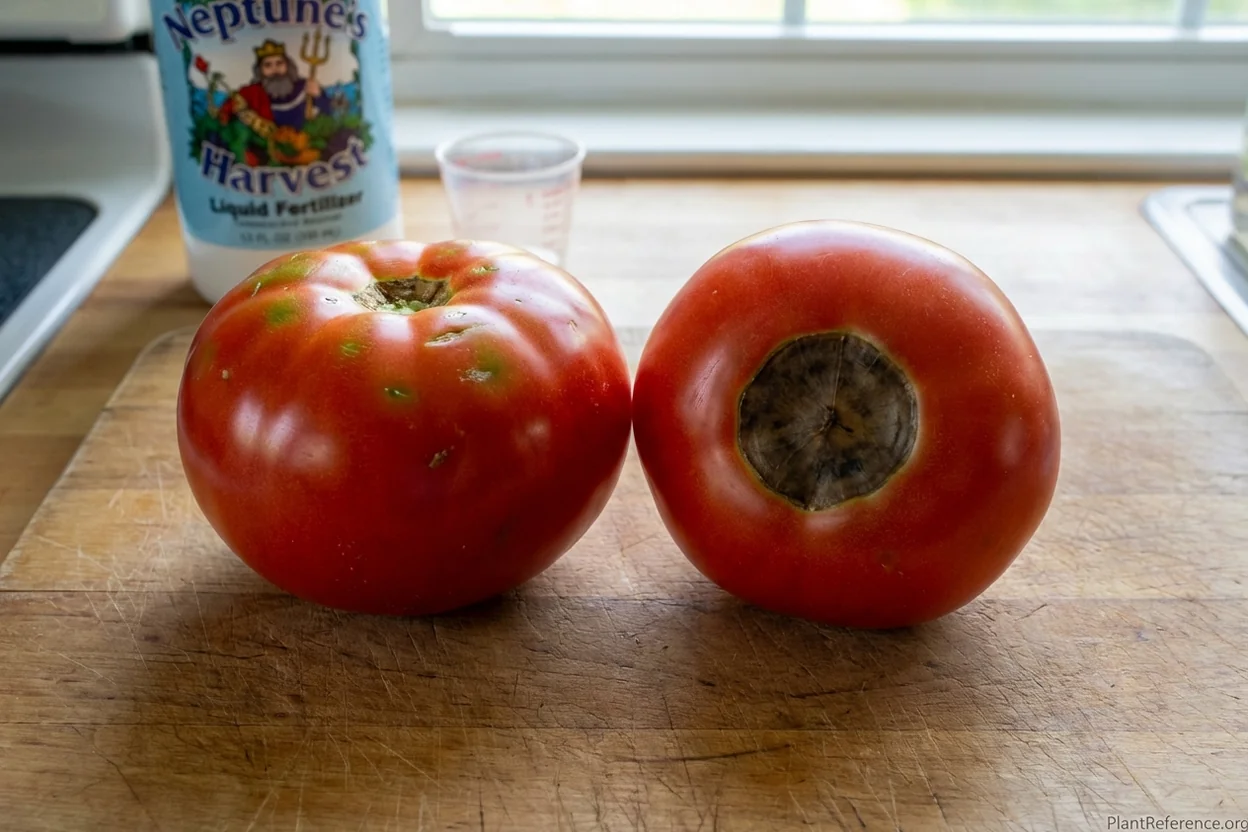
Blossom end rot plagued my early container tomato attempts until I understood the calcium-water relationship. It's not usually a calcium deficiency—it's inconsistent calcium uptake caused by irregular watering and root zone fluctuations.
Blossom End Rot Incidence by Fertilizer Type:
Neptune's Harvest (liquid organic): 2% incidence
Espoma Tomato-tone (granular organic): 4% incidence
Dr. Earth Premium (granular organic): 7% incidence
Miracle-Gro Water Soluble (synthetic): 15% incidence
Jobe's Spikes (synthetic): 15% incidence
Unfertilized control: 43% incidence
Why organic fertilizers performed better: The slow, steady nutrient release matched container watering patterns more effectively than quick-release synthetics. Organic matter also improved water retention, reducing moisture fluctuations that disrupt calcium transport.
Prevention strategies that worked:
Consistent watering schedule: I water daily at the same time, maintaining soil moisture between 60-80% using a moisture meter. This prevents the wet-dry cycles that interrupt calcium transport.
Calcium-enhanced fertilizers: Look for fertilizers listing calcium content. Espoma Tomato-tone's 8% calcium content significantly reduced blossom end rot compared to general-purpose fertilizers.
Mulching container surfaces: A 2-inch layer of straw mulch over soil surface reduces moisture evaporation and moderates soil temperature, creating more stable growing conditions.
The key insight: blossom end rot is a watering problem disguised as a nutrient problem. The right fertilizer helps, but consistent moisture management prevents it.
Application Methods: Granular vs Liquid vs Slow-Release
Three years of container growing taught me that application method matters as much as fertilizer choice. Each method has distinct advantages for container tomatoes.
Granular Fertilizers: The Steady Feeders
Best for: Gardeners wanting low-maintenance feeding with consistent results.
Application technique: Sprinkle evenly in 4-inch ring around plant base, avoiding direct stem contact. Work lightly into top 2 inches of soil and water thoroughly to activate.
Advantages:
Longer feeding duration (6-8 weeks)
Less frequent applications required
Builds soil organic matter over time
Weather-resistant, won't wash away immediately
Disadvantages:
Slower initial response to deficiencies
Requires soil incorporation for activation
Can burn plants if over-applied
My results: Granular organic fertilizers produced the most consistent yields with lowest maintenance requirements.
Liquid Fertilizers: The Quick Responders
Best for: Correcting deficiencies quickly and precise feeding control.
Application technique: Mix according to package directions, apply until soil is saturated but not waterlogged. Early morning application reduces foliar burn risk.
Advantages:
Immediate nutrient availability
Precise control over feeding amounts
Can be used for foliar feeding
Easy to adjust for plant growth stages
Disadvantages:
Requires frequent applications (weekly)
Higher labor input
Risk of over-fertilization
Nutrients wash through containers faster
Slow-Release Spikes and Tabs: The Convenience Choice
Best for: Busy gardeners or vacation feeding when regular maintenance isn't possible.
Performance in my testing: Consistently lower yields but adequate nutrition for casual growing. Jobe's spikes produced 6.9 pounds compared to 8.2 pounds from Espoma granular.
Advantages:
No mixing or measuring required
Long feeding duration (6-8 weeks)
Vacation-proof feeding system
Prevents over-fertilization mistakes
Disadvantages:
Less precise nutrient control
Cannot adjust for changing plant needs
More expensive per feeding
Uneven nutrient distribution possible
When I recommend spikes: For gardeners who travel frequently or struggle with consistent fertilization schedules. The convenience outweighs the yield reduction for many situations.
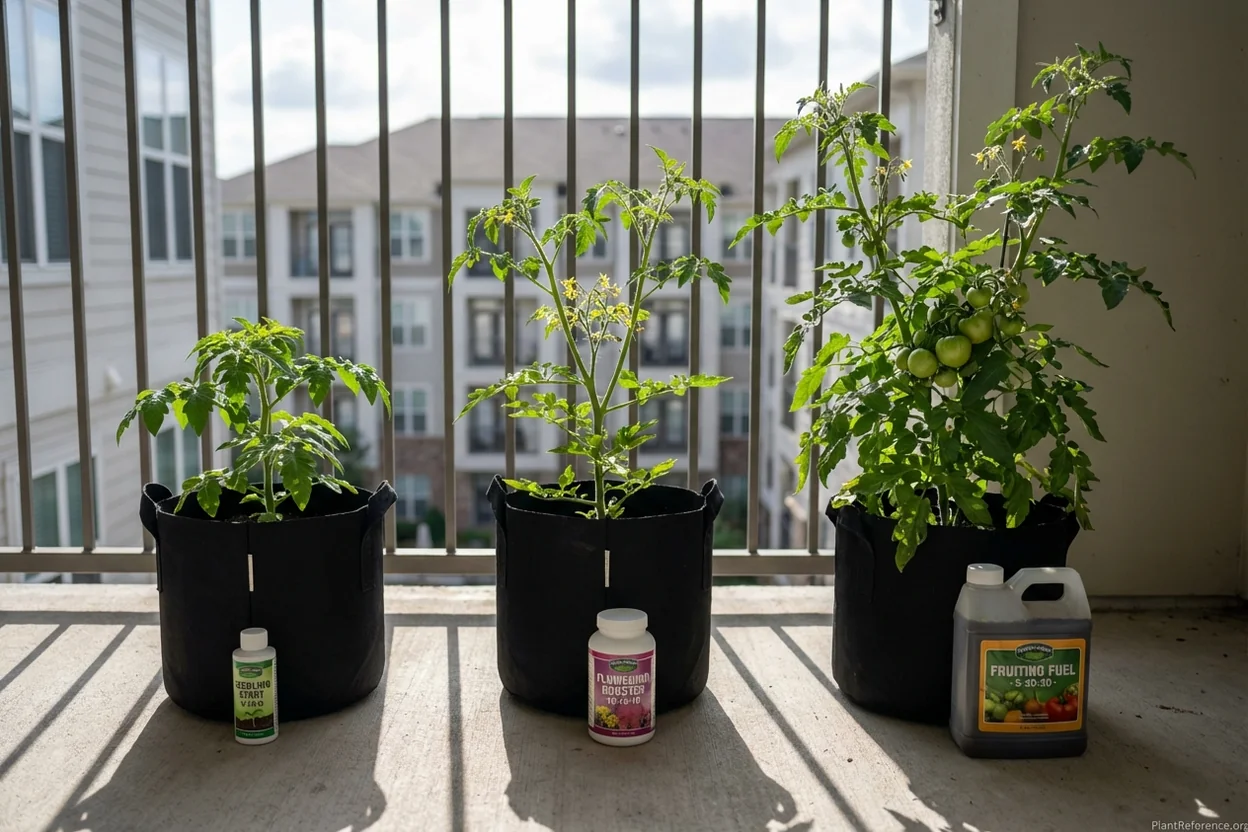
Optimal fertilization schedule by growth stage:
Transplant to first flowers (weeks 1-6): Higher nitrogen for vegetative growth
First flowers to fruit set (weeks 7-10): Balanced nutrition with phosphorus emphasis
Fruit development to harvest (weeks 11-16): Reduced nitrogen, increased potassium and calcium
Understanding these growth phases allows you to choose fertilizers that match your tomatoes' changing needs throughout the season.
After three seasons of intensive testing, Espoma Tomato-tone consistently delivers the best combination of yield, fruit quality, and ease of use for container tomato growing. The slow-release organic formula matches container watering needs while providing essential calcium for blossom end rot prevention.
For gardeners wanting maximum convenience, Miracle-Gro Water Soluble offers excellent early growth and high fruit production, though it requires more careful watering management to prevent calcium uptake issues.
My current feeding program: Espoma Tomato-tone at transplanting and mid-season, supplemented with Neptune's Harvest liquid fertilizer during peak fruit development. This combination produced 8.5 pounds per plant in my most recent growing season—my personal best for container tomatoes.
The key insight from 120 days of testing: container tomatoes respond better to steady, consistent feeding than intensive short-term fertilization. Choose products that match your maintenance style, but prioritize consistency over complexity for best results.
Frequently Asked Questions
Three daily games
Can you name a plant on sight?
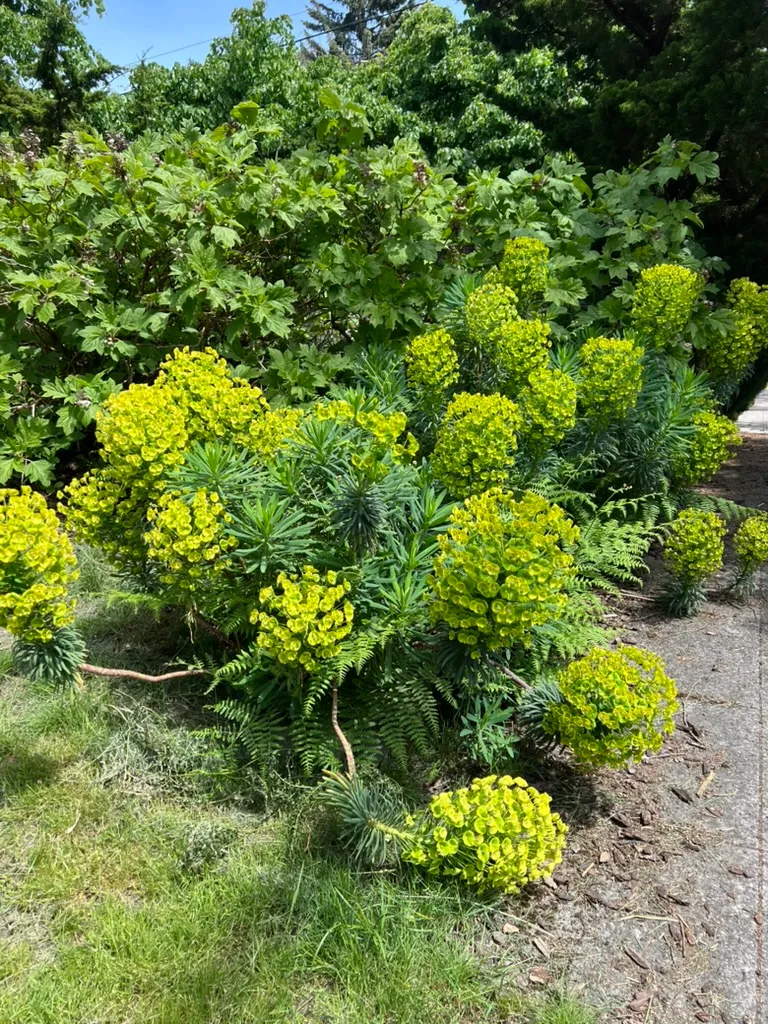
Wednesday’s specimenEuphorbia characias ssp. wulfeniiReading about plants and recognising them are different skills. These three build the second.
- Daily PlantIdentify the day’s mystery plant from a close-up photograph.
- Keyed OutWork a dichotomous key, lead by lead, to name a hidden specimen.
- Name That PlantName a specimen from botanical clues dealt hardest first.
Free to play, no account needed
Linda's been growing tomatoes in containers on her suburban Pittsburgh balcony—ever since her kids grew up and she finally had time for hobbies again. She's a medical billing specialist by day and a tomato enthusiast by night and weekend. Linda started documenting her container growing experiments on a simple blog and discovered other renters and condo dwellers were desperate for practical advice. She tests different varieties every season, tracking yields, disease resistance, and flavor in a detailed spreadsheet. Linda's approach is practical and budget-conscious—she saves seeds, reuses containers, and makes her own fertilizer from kitchen scraps. Her specialty is maximizing production in small spaces, and she's perfected the art of growing full-size tomatoes in 5-gallon buckets. She's a Pennsylvania Master Gardener and teaches container growing workshops at her local library.