Weigela, Genus, hortensis, Species,
- Genus & species
Japanese weigela
Overview
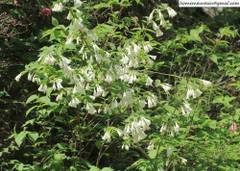
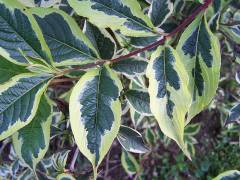
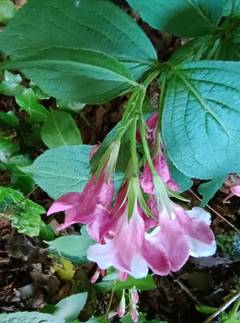
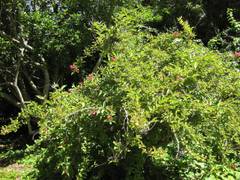
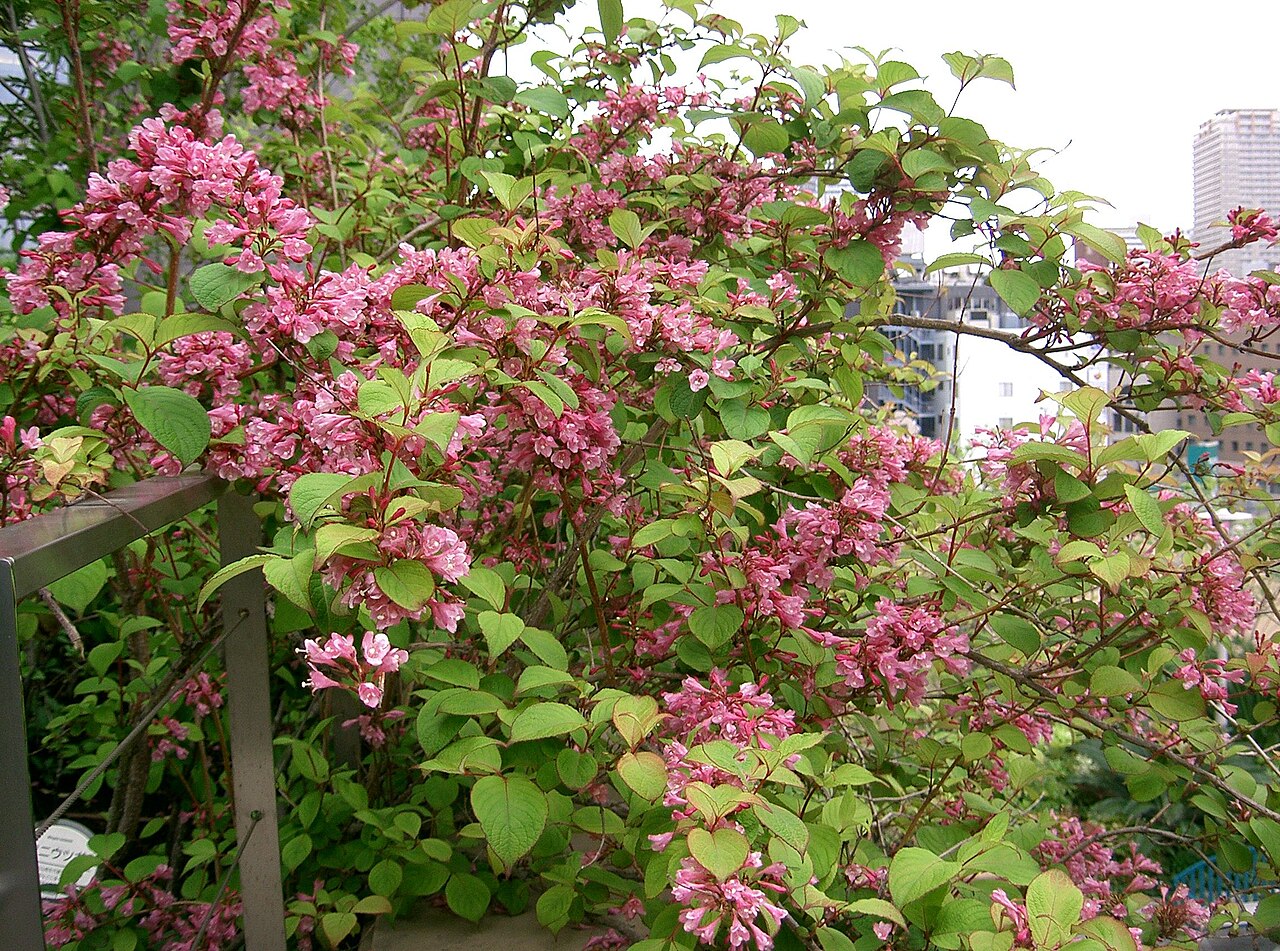
Weigela hortensis is a deciduous, multi-stemmed shrub in the family Caprifoliaceae, native to Japan. Plants grow 5–8 feet (1.5–2.4 m) tall and 5–8 feet (1.5–2.4 m) wide, with an upright, arching to rounded habit. Leaves are opposite, obovate to elliptic, 2–4 inches (5–10 cm) long, with serrated margins, short petioles, and hairs along the veins on the underside. Funnel-shaped flowers, 1–1.5 inches (2.5–4 cm) long, are borne singly or in clusters of two to three in the leaf axils and range from pink to deep rose-red. The fruit is a two-valved woody capsule 0.5–0.75 inch (12–20 mm) long that splits to release small winged seeds. Bark is gray-brown and becomes shallowly furrowed on older stems. Flowers form on growth from the previous season, and plants are cold-hardy in USDA zones 5–8. Plants tolerate a range of soil textures but develop leaf scorch and early leaf drop in prolonged drought. Bloom is concentrated in a 3–4 week period, with scattered flowers later in summer, and the leaves show little color change in autumn.
Native Range
Native to Japan, where it grows on mountain slopes and in open woodland on Honshu. Grown in temperate gardens outside its native range.Suggested Uses
Used in shrub borders, informal hedges, and mass plantings, spaced 5–6 feet (1.5–1.8 m) apart. Flowers attract hummingbirds and bees. The 5–8 foot (1.5–2.4 m) spread limits use in small beds.How to Identify
Appearance
Size & Dimensions
Height5' - 8'
Width/Spread5' - 8'
Bloom Information
Flowers open from May to June, with occasional repeat flowers in late summer. Individual flowers last about one week, and the full flowering period lasts 3–4 weeks. Buds develop on growth from the previous season. Flowers are visited by bees and hummingbirds.
Detailed Descriptions
Flower Description
Pink to deep rose-redFoliage Description
Medium greenGrowing Conditions
Sun Requirements
Requires 4-8 hours of direct sunlight daily
• Full Sun: 6+ hours of direct sunlight
• Partial Shade: 3-6 hours of direct sunlight
• Full Shade: Less than 3 hours of direct sunlight
Care & Maintenance
Care Guide
Growth and flowering are heaviest in full sun, with 6 or more hours of direct light; part shade reduces flower count. Soil is average, moist, and well-drained, with pH 5.5–7.0. Water is applied at 1 inch (2.5 cm) per week during establishment, and established plants require supplemental water during drought lasting more than two weeks. Cold hardiness is USDA zones 5–8. A 2–3 inch (5–8 cm) layer of mulch moderates soil temperature and moisture. Late spring frost can damage new growth and flower buds.Pruning
Pruning is done immediately after the main flush of flowers in June, because next year's buds form on new growth during summer. Removing one-quarter to one-third of the oldest stems at ground level each year maintains shrub density and flower production. Late winter or early spring pruning removes flower buds. Shrubs tolerate rejuvenation cutting to 12 inches (30 cm), and the following season's bloom is reduced.Pruning Schedule
Prune: June–July
summer