Image 1 of 8
1 / 8
Plant Reference
Weigela, Genus, florida, Species, 'Variegata', Cultivar,
- Genus & species
- Cultivar
variegated weigela
Species {W. florida} native to northern China, Korea, and Japan. 'Variegata' is a cultivar selected for cream-margined variegated foliage
Overview
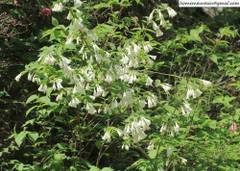
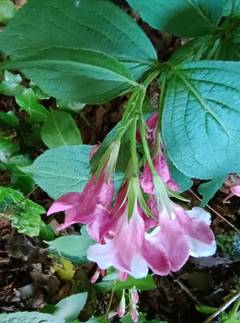
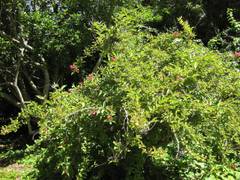
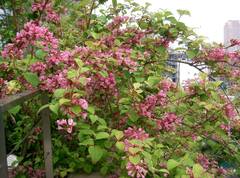
Weigela florida 'Variegata' is variegated weigela, a compact mounding deciduous shrub growing 4-6 feet (1.2-1.8 m) tall and 4-6 feet (1.2-1.8 m) wide — smaller than the species type W. florida (6-10 feet / 1.8-3 m tall, 8-12 feet / 2.4-3.6 m wide). Green leaves with cream-white margins (variegated), ovate, opposite, 2-4 inches (5-10 cm). Pink tubular (funnel-shaped) flowers 1 inch (2.5 cm) in clusters of 3-5 along arching stems in May-June (3 weeks). Hummingbird-visited. Turns yellow in fall. In Caprifoliaceae. The cream-white variegated leaf margins extend visual interest beyond the bloom period. Occasional all-green reverted shoots appear — these must be removed promptly, as green growth is more vigorous and overtakes the variegated foliage. This reversion management is the primary maintenance concern. The variegated foliage may scorch (brown leaf margins) in hot afternoon sun in zones 7-8 — afternoon shade reduces scorch. Blooms on old wood. Drought-tolerant once established. Deer browse. Non-toxic. Zones 4-8. Full sun to partial shade. Growth rate is moderate.
Native Range
Species W. florida native to northern China, Korea, and Japan. 'Variegata' is a cultivar selected for cream-margined variegated foliage.Suggested Uses
Grown as a specimen shrub, mixed border plant, and in containers of at least 5 gallons (19 L), spaced 4-6 feet (1.2-1.8 m). Variegated foliage extends seasonal interest. Remove green reversions. Afternoon shade in hot climates. Non-toxic. Zones 4-8.How to Identify
Appearance
Size & Dimensions
Height4' - 6'
Width/Spread4' - 6'
Bloom Information
Detailed Descriptions
Flower Description
Pink, tubular (funnel-shaped), 1 inch (2.5 cm) long, in clusters of 3-5 along arching stemsFoliage Description
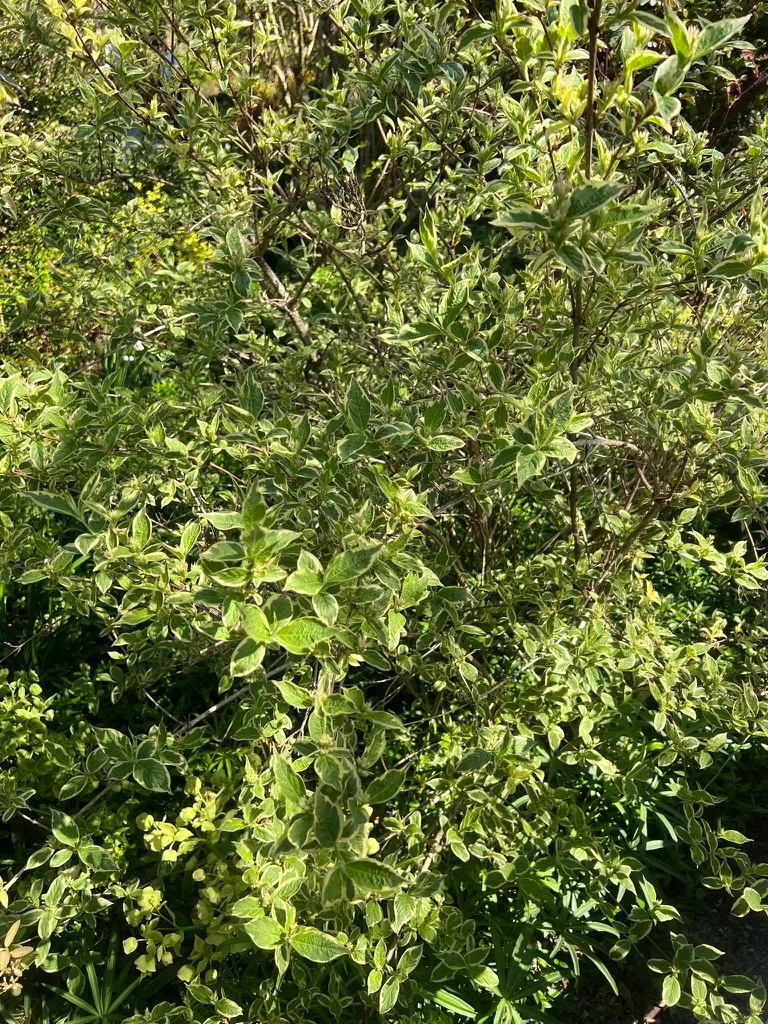
Green with cream-white margins (variegated), simple, ovate, opposite, 2-4 inches (5-10 cm); the cream-white leaf margins lighten the overall foliage appearance; turns yellow in fallGrowing Conditions
Sun Requirements
Requires 4-8 hours of direct sunlight daily
• Full Sun: 6+ hours of direct sunlight
• Partial Shade: 3-6 hours of direct sunlight
• Full Shade: Less than 3 hours of direct sunlight
Care & Maintenance
Care Guide
Full sun to partial shade (4-8 hours — afternoon shade in zones 7-8 to reduce leaf scorch on variegated margins). Well-drained soil pH 5.5-7.5. Drought-tolerant once established. Remove all-green reverted shoots promptly. Blooms on old wood — prune after flowering (June-July). Deer browse. Non-toxic. Zones 4-8.Pruning
Prune after flowering (June-July) — blooms on old wood. Remove all-green reverted shoots at any time (they overtake the variegated foliage). Remove 1/3 of oldest stems at the base for renewal. The arching mounding form is natural.Pruning Schedule
Prune: June–July
summer
Container Growing
Suitable for container growing
Minimum container size: 5 gallons