Image 1 of 26
1 / 26
Plant Reference
Weigela, Genus, florida, Species,
- Genus & species
weigela
Northern China, Korea, and Japan; forest edges and open woodlands
Overview
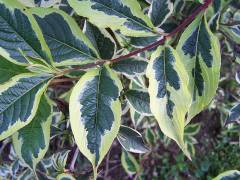
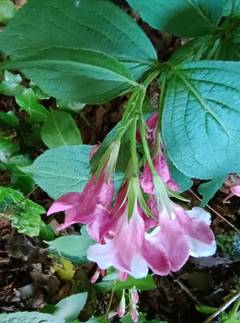
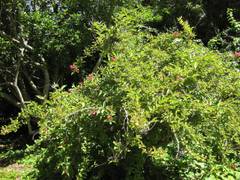
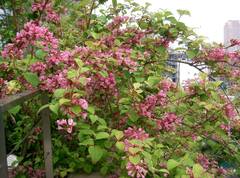
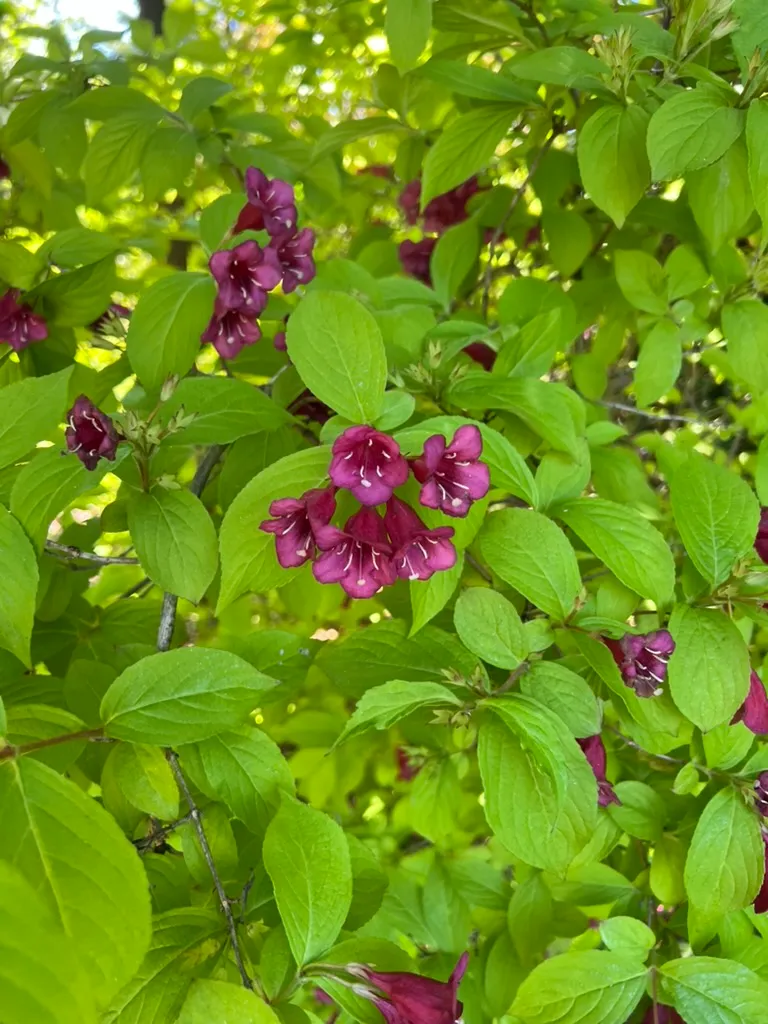
Weigela florida is weigela (old-fashioned weigela), a mounding deciduous shrub growing 6-10 feet (1.8-3 m) tall and 8-12 feet (2.4-3.6 m) wide with arching stems. Rose-pink funnel-shaped (tubular) flowers 1-1.5 inches (2.5-4 cm) in clusters of 3-5 along the arching stems in May-June (3 weeks). Hummingbird-visited. Medium to dark green ovate opposite finely serrated leaves 2-4 inches (5-10 cm). No significant fall color. In Caprifoliaceae. Florida = flowering (Latin). Native to northern China, Korea, and Japan. Named for Christian Ehrenfried Weigel. The large mature size (6-10 feet / 1.8-3 m tall, 8-12 feet / 2.4-3.6 m wide) and the arching open habit mean the plant has limited visual interest for 49 weeks outside the 3-week bloom — this brief bloom period and the plain green foliage are the primary aesthetic limitations. Modern compact reblooming cultivars address both issues: 'Wine and Roses' (dark purple foliage, pink, 4-5 feet / 1.2-1.5 m), 'My Monet' (variegated, 1-1.5 feet / 30-45 cm), 'Sonic Bloom Pink' (reblooming). Blooms on old wood. Drought-tolerant once established. Deer browse. Non-toxic. Zones 4-8. Full sun to partial shade. Growth rate is fast.
Native Range
Native to northern China, Korea, and Japan. Found on forest edges and open woodlands.Suggested Uses
Grown as a specimen shrub, mixed border plant, and informal hedge spaced 8-12 feet (2.4-3.6 m) for the species type (compact cultivars at 3-5 feet / 0.9-1.5 m). Late spring bloom for hummingbirds. Consider compact reblooming cultivars for smaller spaces. Non-toxic. Zones 4-8.How to Identify
Appearance
Size & Dimensions
Height6' - 10'
Width/Spread8' - 12'
Bloom Information
Late spring to early summer (May-June). Rose-pink funnel-shaped flowers 1-1.5 inches (2.5-4 cm) in clusters of 3-5 along arching stems. 3 weeks on old wood. Some modern cultivars rebloom. Hummingbird-, bee-, and butterfly-visited.
Detailed Descriptions
Flower Description
Rose-pink, funnel-shaped (tubular), 1-1.5 inches (2.5-4 cm) long, in clusters of 3-5 along the arching stemsFoliage Description
Medium to dark green, simple, ovate, opposite, 2-4 inches (5-10 cm), finely serrated; no significant fall colorGrowing Conditions
Sun Requirements
Requires 4-12 hours of direct sunlight daily
• Full Sun: 6+ hours of direct sunlight
• Partial Shade: 3-6 hours of direct sunlight
• Full Shade: Less than 3 hours of direct sunlight
Care & Maintenance
Care Guide
Full sun to partial shade (4-12 hours). Well-drained soil pH 5.5-7.5. Drought-tolerant once established. Blooms on old wood — prune after flowering (June-July), not in late winter. Compact reblooming cultivars reduce size and extend season. Deer browse. Non-toxic. Zones 4-8.Pruning
Prune after flowering (June-July) — blooms on old wood. Remove 1/3 of the oldest stems at the base annually for renewal. The arching mounding form is natural — do not shear. Reblooming cultivars: light shearing after first bloom encourages secondary flush.Pruning Schedule
Prune: June–July
summer