Viola, Genus, rafinesquei, Species,
- Genus & species
American field pansy
SunFull Sun – Part Shade
WaterMedium
Overview
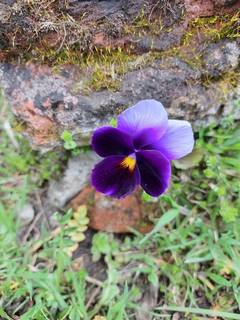
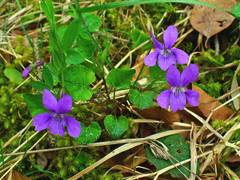
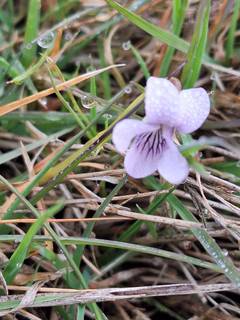
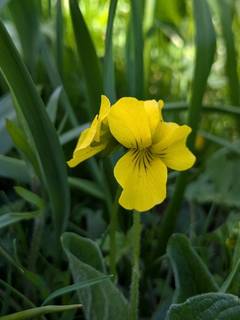
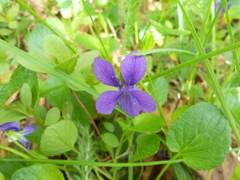
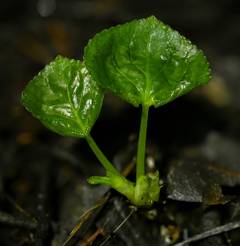
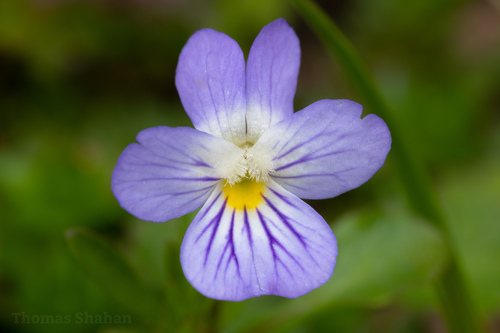
Viola rafinesquei is a small winter annual in the Violaceae, also known as Viola bicolor, growing 3-6 inches (8-15 cm) tall and about as wide on slender, branching, erect stems. The leaves are spoon-shaped to oblong, 0.3-0.8 inch (8-20 mm) long, with rounded teeth and conspicuous leafy stipules deeply divided into narrow lobes at the base of each leaf stalk. From early spring it produces small five-petalled flowers 0.3-0.5 inch (8-13 mm) across, pale violet to bluish-white, often with a yellowish throat and slender dark veins. The plant germinates in autumn, overwinters as a small rosette, flowers and sets seed in spring, then dies as summer heat arrives. Seed is flung from the splitting capsule, and colonies persist by reseeding each year. It grows in open, disturbed ground such as fields, lawns, roadsides, sandy soil, and thin woodland edges. The small size and short spring season make it easy to overlook, and it persists only a few weeks before dying back.
Native Range
Native to eastern and central North America, from the eastern United States west to the Great Plains and south into Texas, with scattered occurrences elsewhere. It grows in open, often disturbed habitats including fields, pastures, lawns, sandy ground, and woodland borders.Suggested Uses
Used in native plant gardens, meadow and lawn plantings, and naturalised spring displays, sown or allowed to self-seed in open ground, spaced about 4 inches (10 cm) apart. It suits informal, low-maintenance areas where its reseeding is welcome. The tiny flowers and brief season make it poorly suited to formal beds or container display.How to Identify
Appearance
Size & Dimensions
Height3" - 6"
Width/Spread3" - 6"
Bloom Information
Flowers appear in early spring, mainly March through May, soon after the overwintering rosette resumes growth. Bloom lasts a few weeks and ends as warm weather triggers seed set and die-back. Plants complete the whole cycle before the summer canopy closes.
Detailed Descriptions
Flower Description
pale violet to bluish-white with darker veinsFoliage Description
greenGrowing Conditions
Sun Requirements
Requires 4-10 hours of direct sunlight daily
• Full Sun: 6+ hours of direct sunlight
• Partial Shade: 3-6 hours of direct sunlight
• Full Shade: Less than 3 hours of direct sunlight
Water & Climate
Water Needs
Care & Maintenance
Care Guide
Grows in full sun to light shade in average, well-drained sandy or loamy soil with a pH around 5.5-7.0. As a winter annual it germinates in cool autumn soil, needs moisture through winter and spring, and finishes its life cycle before summer drought. It needs no fertiliser and self-sows freely where soil is left bare. Established colonies maintain themselves from year to year without intervention. Mowing or cultivation before seed ripens in late spring reduces the following year stand.Pruning
Requires no pruning. As a low annual it is not cut back; plants are left to flower and set seed, after which they die naturally. Clearing spent plants before seed drop limits self-sowing.Toxicity
Non-toxicPlanting Guide
Planting Methods & Timing
Planting Method
direct sow
Direct Sow Timing
Sow in autumn or very early spring; seed germinates in cool soil.
Days to Maturity
60–90 days
Plant Spacing
4 inches