Vincetoxicum, Genus, spp., Multiple species,
- Genus
- Multiple species
dog-strangling vines
Overview
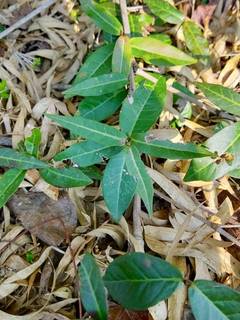
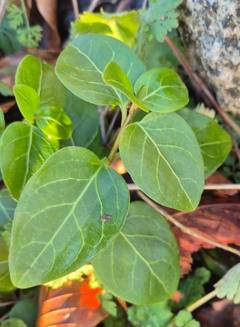
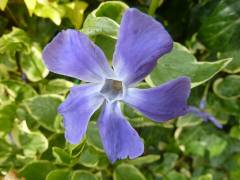
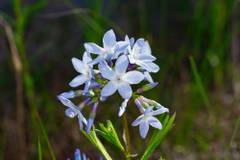
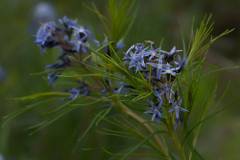
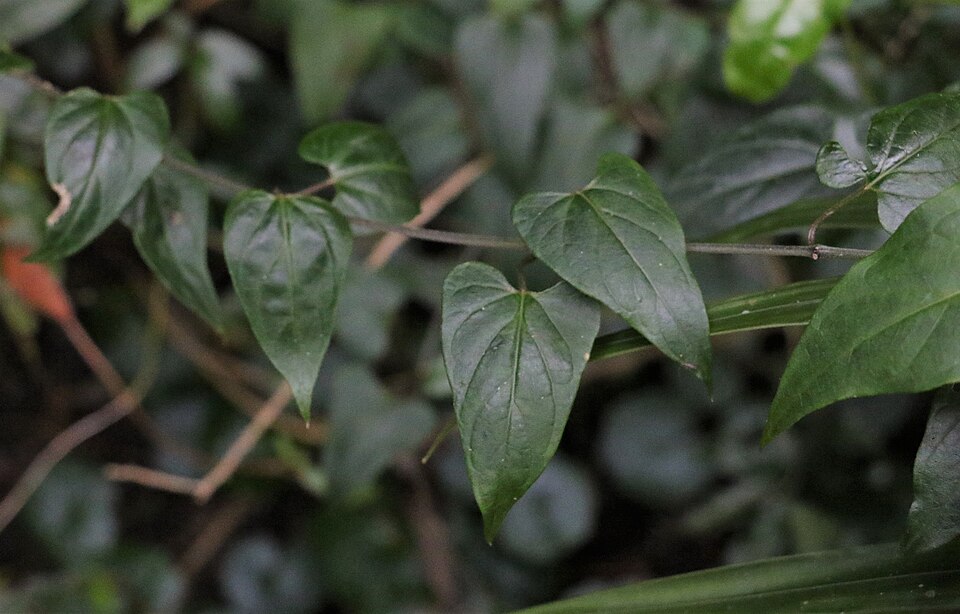
Vincetoxicum is a genus of about 100 herbaceous perennials in the dogbane family, Apocynaceae, native to Europe and temperate Asia. Most are twining vines, though some are erect, with paired oval leaves, milky sap, and small five-lobed star flowers in dark purple, pink, or white. Slender paired seed pods split to release seeds carried on silky parachutes. Black swallowwort V. nigrum and pale swallowwort V. rossicum, the dog-strangling vines, twine over other plants and have become aggressive invaders of fields and woods in northeastern North America, where they smother native vegetation. Monarch butterflies lay eggs on them, but the larvae fail to survive. The toxic sap, invasive spread, and harm to monarchs are the main concerns.
Native Range
Native to Europe and temperate Asia, in woodland, scrub, grassland, and rocky slopes. The swallowwort species have naturalized widely in northeastern North America.Suggested Uses
Rarely planted by choice and widely treated as a weed to control, the swallowworts are targets for removal in natural areas. The native V. hirundinaria is occasionally grown in cottage and wildlife gardens within its European range.How to Identify
Appearance
Size & Dimensions
Height2' - 7'
Width/Spread1' - 3'
Bloom Information
Small five-lobed star flowers open through summer, June to August, in clusters from the leaf axils. The flowers give way to slender paired pods that ripen and split in late summer to release wind-borne seeds.
Detailed Descriptions
Flower Description
dark purple, pink, or whiteFoliage Description
greenGrowing Conditions
Sun Requirements
Requires 4-8 hours of direct sunlight daily
• Full Sun: 6+ hours of direct sunlight
• Partial Shade: 3-6 hours of direct sunlight
• Full Shade: Less than 3 hours of direct sunlight