Image 1 of 16
1 / 16
Plant Reference
Trachelospermum, Genus, jasminoides, Species,
- Genus & species
star jasmine
Eastern and southeastern Asia — China, Japan, Korea, and Vietnam; forest margins and rocky slopes
Overview
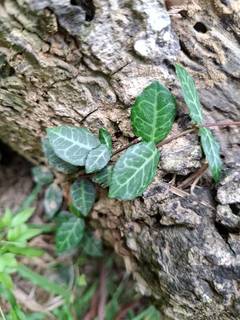
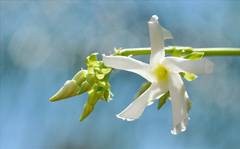
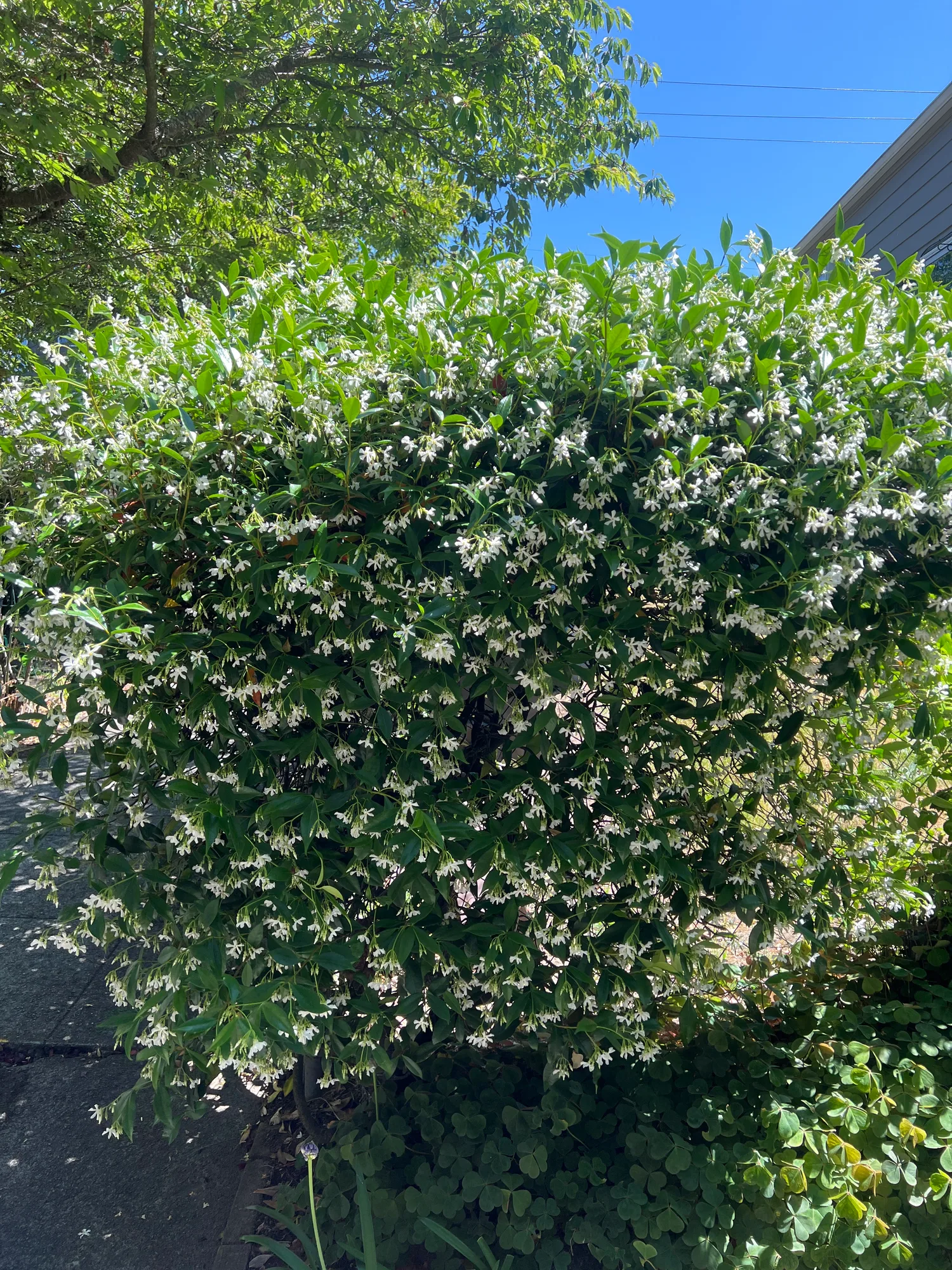
Trachelospermum jasminoides is star jasmine (Confederate jasmine), an evergreen twining vine reaching 15-25 feet (4.5-7.5 m) as a vine or 12-18 inches (30-45 cm) as a ground cover, spreading 6-10 feet (1.8-3 m). White star-shaped (pinwheel) flowers 1 inch (2.5 cm) in cymes of 5-10 in May-July (6 weeks). Strongly fragrant (sweet, jasmine-like). Glossy dark green ovate leathery leaves 1.5-3 inches (4-7 cm); bronze-reddish winter tints. In Apocynaceae. Not true jasmine (Jasminum). Twining vine (not self-clinging). Milky white latex when cut — toxic to pets. Slow to establish (2-3 years before vigorous climbing). Hardy to about 10°F (-12°C) — zone 7. This limited cold hardiness is the primary climatic restriction. Not drought-tolerant until well established. Deer-resistant. Zones 7-10. Full sun to partial shade. Growth rate is slow initially, then moderate.
Native Range
Native to eastern and southeastern Asia — China, Japan, Korea, and Vietnam. Found on forest margins and rocky slopes.Suggested Uses
Grown on trellises, arbors, fences, walls, and as a ground cover (unsupported), and in containers of at least 7 gallons (26 L) with support, spaced 6-10 feet (1.8-3 m). Fragrant. Twining (needs support). Milky sap — toxic to pets. Zones 7-10.How to Identify
Appearance
Size & Dimensions
Height15' - 25'
Width/Spread6' - 10'
Bloom Information
Detailed Descriptions
Flower Description
White, star-shaped (pinwheel), 5-petaled, 1 inch (2.5 cm), in cymes of 5-10; May-July; strongly fragrant (sweet, jasmine-like — among the most intensely fragrant vines; not true jasmine — Jasminum is in Oleaceae)Foliage Description
Glossy dark green, ovate to elliptic, 1.5-3 inches (4-7 cm), leathery; bronze to reddish tints in winter cold; new growth often tinged bronze-red; evergreen year-roundGrowing Conditions
Sun Requirements
Requires 4-10 hours of direct sunlight daily
• Full Sun: 6+ hours of direct sunlight
• Partial Shade: 3-6 hours of direct sunlight
• Full Shade: Less than 3 hours of direct sunlight
Care & Maintenance
Care Guide
Full sun to partial shade (4-10 hours — more sun = more flowers). Well-drained soil pH 6.0-7.5. Not drought-tolerant until well established (3+ years). Twining — requires a support structure (trellis, arbor, fence). Hardy to 10°F (-12°C) — zone 7. Prune after flowering (July-August). Milky sap — toxic to pets. Deer-resistant. Zones 7-10.Pruning
Prune after flowering (July-August) to control size and shape. Tolerates hard pruning. Redirect wayward stems to the support structure.Pruning Schedule
Prune: July–August
summer
Container Growing
Suitable for container growing
Minimum container size: 7 gallons