Image 1 of 6
1 / 6
Plant Reference
Vinca, Genus, major, Species, 'Variegata', Cultivar,
- Genus & species
- Cultivar
variegated vinca major
Cultivar of garden origin; species native to the western Mediterranean, southern Europe, and North Africa
Overview
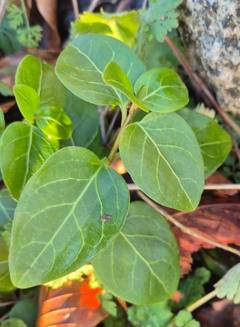
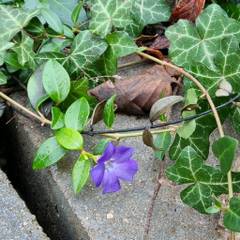
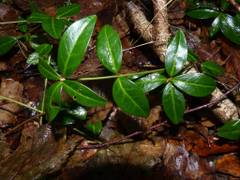
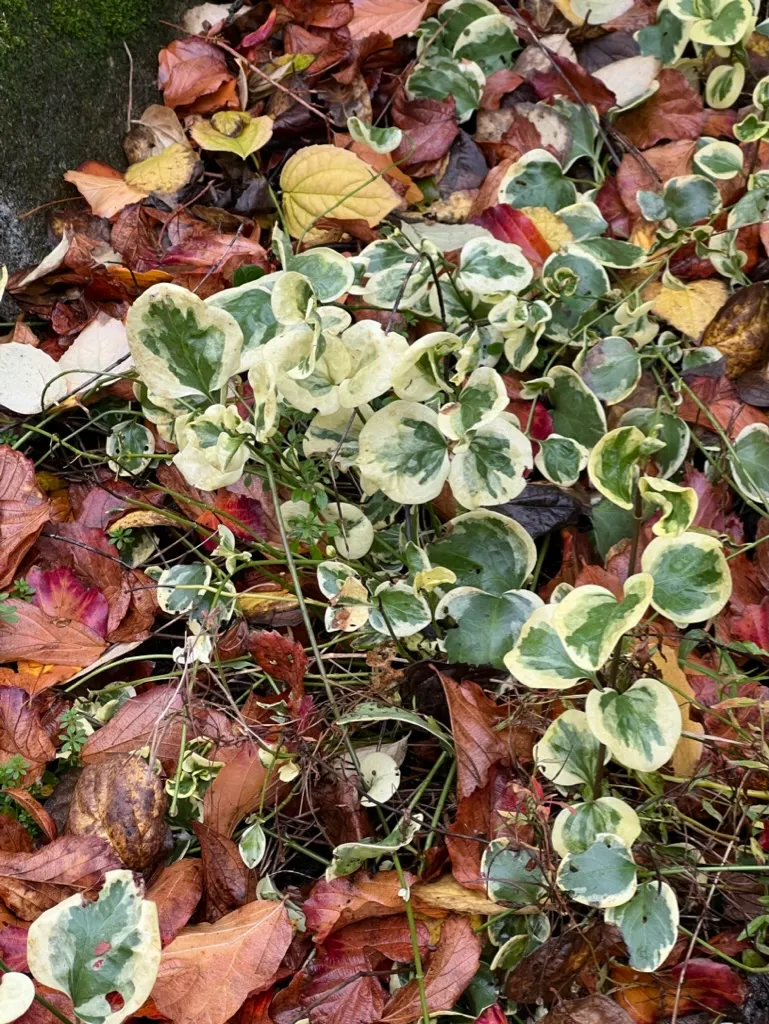
Vinca major 'Variegata' is a trailing evergreen perennial groundcover growing 6–12 inches (15–30 cm) tall and spreading 18–36 inches (45–90 cm) per plant by trailing stems that root at every node. Foliage consists of dark green broadly ovate leaves 1–3 inches (2.5–7 cm) long with irregular cream to pale yellow margins; the variegation is the defining cultivar trait and brightens shaded positions. Blue-violet 5-petaled pinwheel-shaped flowers 1–2 inches (2.5–5 cm) appear March–May for about 8 weeks, with sporadic repeat bloom into summer. The species belongs to Apocynaceae, the dogbane family. V. major is listed as invasive in California, the Pacific Northwest, Hawaii, and parts of the southeastern United States; the variegated form is less vigorous than the all-green species but still spreads readily and can naturalize beyond planted areas. This aggressive spread is the principal ecological limitation. All plant parts contain vincamine and related alkaloids and are toxic to people and pets if ingested. Deer-resistant. Hardy in zones 7–11.
Native Range
Cultivar of garden origin. The species Vinca major is native to the western Mediterranean, southern Europe, and North Africa.Suggested Uses
Used as a shade groundcover where spread can be contained, in hanging baskets, trailing over walls, and in containers of at least 5 gallons (19 L), spaced 18–36 inches (45–90 cm). Container and hanging-basket use restricts the spread that limits in-ground siting near natural areas in zones 7–11.How to Identify
Appearance
Size & Dimensions
Height6" - 1'
Width/Spread1'6" - 3'
Bloom Information
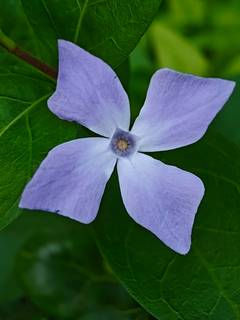
Spring (March–May) over about 8 weeks, with sporadic repeat bloom into summer. Blue-violet 5-petaled pinwheel-shaped flowers 1–2 inches (2.5–5 cm) sit solitary in leaf axils. Bee-visited. Flower color and form match the all-green species; only the foliage differs.
Detailed Descriptions
Flower Description
Blue-violet; 5-petaled; pinwheel-shaped; 1-2 inches (2.5-5 cm); solitary in leaf axils; March-May with sporadic repeat into summer; flower color and form match the all-green speciesFoliage Description
Dark green center with irregular cream to pale yellow margins; broadly ovate; 1-3 inches (2.5-7 cm); glossy; opposite on trailing stems that root at the nodes; the variegation brightens shade positions; evergreen year-roundGrowing Conditions
Sun Requirements
Requires 2-6 hours of direct sunlight daily
• Full Sun: 6+ hours of direct sunlight
• Partial Shade: 3-6 hours of direct sunlight
• Full Shade: Less than 3 hours of direct sunlight
Care & Maintenance
Care Guide
Grows in part shade to full shade with 2–6 hours of direct light. Tolerates a wide range of soils at pH 6.0–7.5. Needs consistent moisture; not drought-tolerant. V. major is listed as invasive in California, the Pacific Northwest, Hawaii, and parts of the southeastern United States. Spread occurs by trailing stems rooting at every node. All plant parts contain vincamine alkaloids and are toxic to people and pets if ingested. Deer-resistant. Suitable for zones 7–11.Pruning
Shear back in late winter to early spring (February–March) to rejuvenate foliage and limit spread. Established patches tolerate mowing on the highest mower setting. Trailing stems escaping the planting bed can be cut back at any point in the growing season.Pruning Schedule
Prune: February–March
early spring
Container Growing
Suitable for container growing
Minimum container size: 5 gallons