Athyrium, Genus, filix-femina, Species, 'Victoriae', Cultivar,
- Genus & species
- Cultivar
victoria lady fern
Northern Hemisphere temperate woodlands
Overview
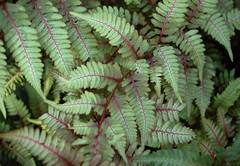
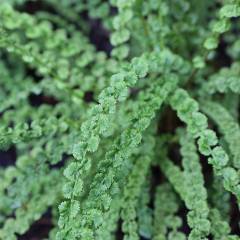
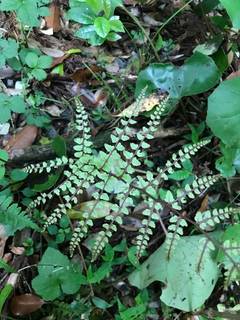
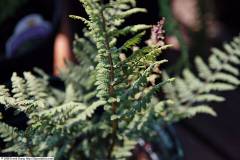
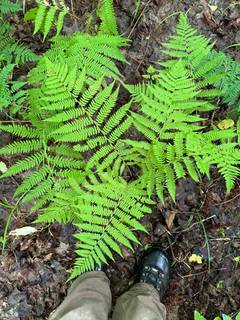
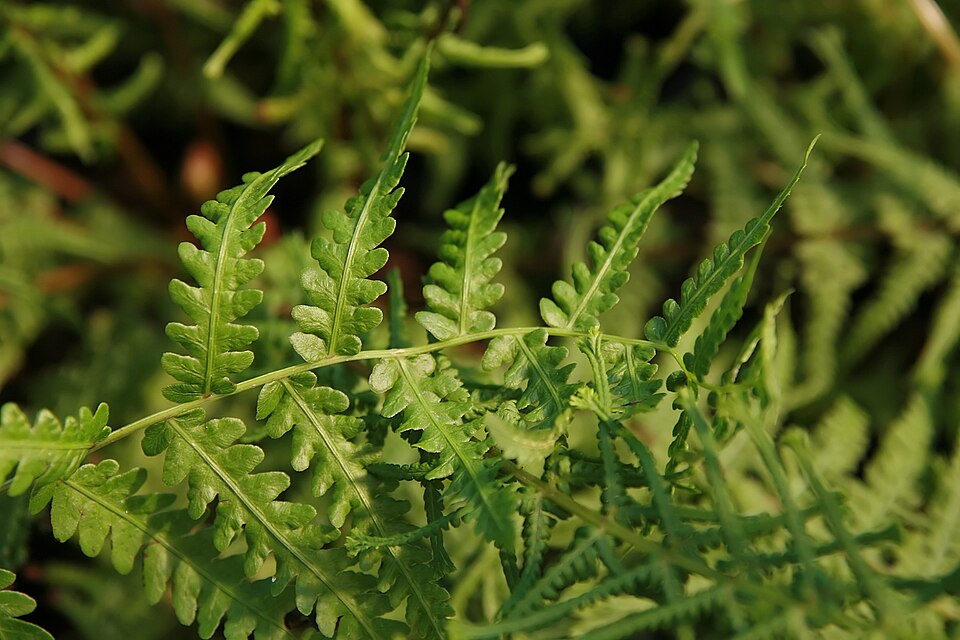
Athyrium filix-femina 'Victoriae' is a deciduous lady fern cultivar with crested fronds, growing 18–30 inches (45–75 cm) tall and 18–24 inches (45–60 cm) wide in clumps. The fronds are bipinnate with pinnae arranged in opposite pairs that cross each other along the rachis, forming a regular X- or lattice-pattern when viewed from above; pinnule tips are also tasseled, intensifying the cresting. Frond color is light to medium green during the growing season, with the lattice structure most developed on mature plants of three years or older. New fronds (croziers) emerge tightly coiled in mid- to late spring and unfurl over 2–3 weeks. The clump expands slowly by short rhizomes, adding 1–2 inches (2.5–5 cm) of spread per year. Spores form on the undersides of fertile pinnules in midsummer, but spore-grown seedlings frequently revert to non-crested forms, so the cultivar is propagated by division. Foliage dies back to the rhizome at first hard frost in zones 4–7 and regrows from the crown each spring. The cultivar was originally found wild in 1861 near Drumlanrig in Dumfriesshire, Scotland, by James Cosh in a single sport plant, and all garden material descends from that find through vegetative propagation. Plants in poor or dry soil produce smaller, less-developed fronds and may go summer-dormant.
Native Range
Athyrium filix-femina is native to temperate North America, Europe, and northern Asia, growing in moist deciduous and mixed woodlands, streamside thickets, and shaded ravines. The cultivar 'Victoriae' is a horticultural form selected from a single wild sport found near Drumlanrig in Dumfriesshire, Scotland, in 1861, and does not occur as a wild population.Suggested Uses
Used as a textural specimen in moist shade gardens, woodland borders, and along the north or east side of buildings. Pairs with hostas, primulas, and broad-leaved companions because the dissected crested fronds contrast with solid leaves. Spaced 18–24 inches (45–60 cm) on center; tighter spacing causes mature clumps to merge and lose the lattice silhouette.How to Identify
Appearance
Size & Dimensions
Height1'6" - 2'6"
Width/Spread1'6" - 2'
Colors
Foliage Colors
Bloom Information
Athyrium filix-femina 'Victoriae' does not flower; reproductive structures are sori (spore clusters) on the undersides of fertile pinnules. Sori develop from June through August in zones 4–8, releasing wind-borne spores during dry warm periods. Most spore-grown seedlings revert to non-crested forms, so the cultivar is maintained by division rather than spore.
Detailed Descriptions
Foliage Description
light to medium greenGrowing Conditions
Sun Requirements
Tolerates up to 4 hours of direct sunlight daily
• Full Sun: 6+ hours of direct sunlight
• Partial Shade: 3-6 hours of direct sunlight
• Full Shade: Less than 3 hours of direct sunlight
Care & Maintenance
Care Guide
Moist, humus-rich soil with a pH of 5.0–7.0 is required; sandy or compacted clay soils produce stunted fronds and early summer dormancy. Part shade to full shade of 2–4 hours of direct or filtered light suits the cultivar — fronds bleach and curl in more than 4 hours of direct sun unless soil is constantly moist. Even moisture is needed during the growing season, and the plant tolerates short flooding but not drought. A 2–3 inch (5–8 cm) layer of leaf mold or compost applied in spring maintains soil organic matter and slowly releases nutrients. Cold-hardy through zone 4; in zones 3–4 a mulch over the crown reduces winter heaving. Slugs and snails are the main pests, and their feeding damage shortens the cresting on young fronds; iron phosphate baits applied in spring reduce the slug population.Pruning
Old dead fronds are removed back to the crown in spring before new croziers unfurl, typically late March to mid-April depending on zone. No other pruning is required during the growing season. Damaged or wind-torn fronds can be cut at the base individually; new fronds do not regrow on cut stems, but the clump continues to push fresh fronds from the crown until late summer.Pruning Schedule
Prune: March–April
early spring
Container Growing
Suitable for container growing
Minimum container size: 3 gallons