Athyrium, Genus, spp., Multiple species,
- Genus
- Multiple species
lady ferns
Temperate Northern Hemisphere: North America, Europe, and Asia
Overview
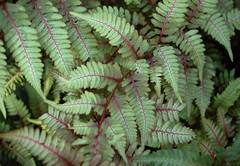
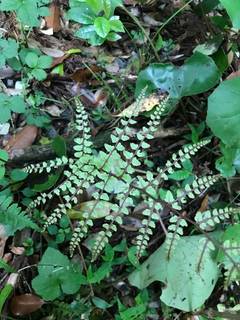
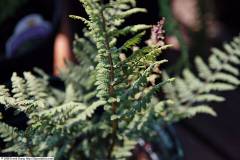
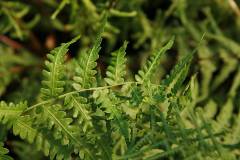
Athyrium is a genus of about 180 species of deciduous ferns in the family Athyriaceae, known as lady ferns, found in moist woodlands across the temperate Northern Hemisphere. Plants form upright to arching clumps of lacy, finely divided fronds that rise from a short, creeping rhizome, reaching 12-36 inches (30-90 cm) tall. The fronds are twice or three times divided, giving a soft, feathery texture, and in some species the leaf stalks and midribs are flushed red, purple, or wine. A. filix-femina, the common lady fern, has bright green fronds, while the Japanese painted fern (A. niponicum 'Pictum') carries silver-gray fronds marked with burgundy veins and stalks. Like all ferns, the genus does not flower; it reproduces by spores carried in curved or J-shaped clusters on the undersides of the fronds. Plants emerge in spring, hold their fronds through the growing season, and die back after the first hard frost. They grow in shade and moist, humus-rich soil and scorch or brown at the edges in dry, sunny sites, which limits their use to sheltered, consistently damp positions.
Native Range
The genus is distributed across the temperate Northern Hemisphere, with species native to North America, Europe, and temperate Asia, and a smaller number in mountainous parts of the tropics. Lady ferns grow in damp woods, along streams and seeps, and in shaded ravines and meadows.Suggested Uses
Lady ferns are planted in shade and woodland gardens, along shaded borders and paths, and beside ponds and streams, spaced 18-24 inches (45-60 cm) apart. The silver and burgundy painted ferns are grown for foliage color among hostas, heucheras, and other shade plants. The arching fronds are cut for arrangements and used as filler in shaded containers.How to Identify
Appearance
Size & Dimensions
Height1' - 3'
Width/Spread1'6" - 2'6"
Bloom Information
Ferns do not flower. Athyrium reproduces by spores rather than seed, releasing them from clusters on the undersides of mature fronds in summer and autumn. New fronds, called fiddleheads, uncurl from the crown in spring and continue to appear through early summer.
Detailed Descriptions
Foliage Description
green, or silver-gray with burgundy in painted fernsGrowing Conditions
Sun Requirements
Tolerates up to 4 hours of direct sunlight daily
• Full Sun: 6+ hours of direct sunlight
• Partial Shade: 3-6 hours of direct sunlight
• Full Shade: Less than 3 hours of direct sunlight
Care & Maintenance
Care Guide
Athyrium species grow in part to full shade in moist, humus-rich, well-drained soil with a pH of 5.0-7.0 and need steady moisture at the roots. They are hardy across USDA zones 3-8, dying back to the crown in winter and unfurling new fronds in spring. Dry soil and direct sun brown and crisp the frond edges, so the plants suit shaded, sheltered sites and woodland gardens. A mulch of leaf mold conserves moisture and feeds the shallow roots. Few pests trouble them, though slugs can graze the emerging fiddleheads. Clumps are lifted and divided in early spring to renew growth and make new plants.Pruning
Old, browned fronds are cut back to the ground in late winter or early spring before the new fiddleheads unfurl. Damaged or tattered fronds can be removed through the season to keep the clump tidy. No other pruning is needed.Pruning Schedule
Prune: February–March
winterearly spring
Container Growing
Suitable for container growing
Minimum container size: 2 gallons