Athyrium, Genus, filix-femina, Species,
- Genus & species
lady fern
Circumboreal: North America (Alaska to California, east to the Atlantic coast), Europe, and Asia; moist forests, streambanks, and wet meadows
Overview
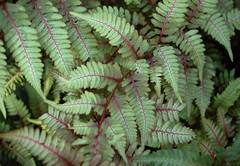
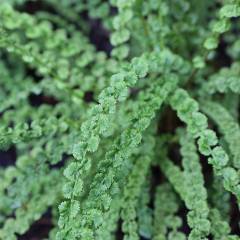
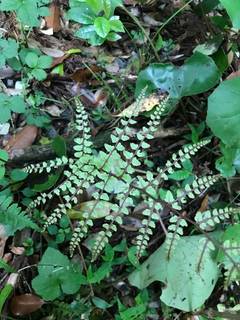
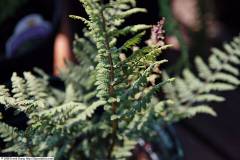
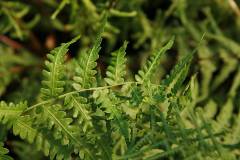
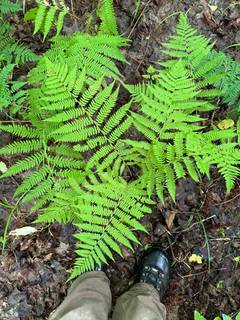
Athyrium filix-femina is a deciduous, clump-forming fern in the family Athyriaceae, occurring across the circumboreal zone in North America, Europe, and Asia. Plants reach 24–48 inches (60–120 cm) tall and 24–48 inches (60–120 cm) wide, forming vase-shaped, arching clumps from a short, stout rhizome. Fronds are bipinnate to bipinnate-pinnatifid with a finely cut texture, carried on pale green to reddish-tinged stipes bearing pale brown papery scales at the base. Frond tips arch outward and downward at maturity. Sori on the underside of the pinnules are elongated, curved, and kidney-shaped to horseshoe-shaped (reniform), covered by pale whitish to brown indusia from July through September. The species shows wide morphological variability across its range and has produced hundreds of named cultivars in horticulture, including 'Victoriae', 'Lady in Red', and 'Minutissimum'. Foliage yellows in fall and dies back to the crown after hard frost. Limitation: requires consistent soil moisture and declines under summer drought, full sun, or hot exposed sites; fronds tatter and brown in dry or windy positions by late summer.
Native Range
Native across the circumboreal zone, including throughout North America (Alaska to California, east to the Atlantic), Europe, and Asia. Grows in moist forests, streambanks, wet meadows, and shaded disturbed ground in humus-rich, acidic to neutral soils.Suggested Uses
Used as a shade groundcover, woodland garden component, or streamside planting at 24–36 inch (60–90 cm) spacing. Combines with Trillium ovatum, Maianthemum dilatatum, Achlys triphylla, and Oxalis oregana in moist shade plantings. Cultivars 'Victoriae', 'Lady in Red', and 'Minutissimum' supply variation in pinnule shape, stipe color, and mature size.How to Identify
Appearance
Size & Dimensions
Height2' - 4'
Width/Spread2' - 4'
Bloom Information
Ferns do not flower. Spores ripen in curved, kidney-shaped to horseshoe-shaped sori on frond undersides from July through September. New fronds emerge as fiddleheads from April through June as the previous year's fronds die back.
Detailed Descriptions
Foliage Description
light to mid yellow-green; bipinnate to bipinnate-pinnatifid fronds with finely cut texture; stipes pale green to reddish-tinged with pale brown papery scales at the baseGrowing Conditions
Sun Requirements
Tolerates up to 3 hours of direct sunlight daily
• Full Sun: 6+ hours of direct sunlight
• Partial Shade: 3-6 hours of direct sunlight
• Full Shade: Less than 3 hours of direct sunlight
Care & Maintenance
Care Guide
Site in partial to full shade with 0–3 hours of direct sun per day in humus-rich, acidic to neutral soil with a pH of 5.0–7.0. Soil moisture should remain consistent through the growing season; fronds tatter and brown under summer drought. Annual top-dressing with 1–2 inches (2.5–5 cm) of compost or leaf mold in early spring maintains soil organic matter. A 2–3 inch (5–7.5 cm) leaf litter mulch retains moisture and replicates the woodland floor. Hardy in USDA zones 4–9. Divide congested clumps every 3–5 years in early spring by splitting the rhizome crown into sections, each retaining several growth points.Pruning
Cut dead and tattered fronds to the crown in late winter (February through March) before fiddleheads emerge. In sheltered positions, fronds may persist through winter and can be removed in late winter before new growth obscures the crown. Replant divisions at 24–36 inch (60–90 cm) spacing.Pruning Schedule
Prune: February–March
early spring
Container Growing
Suitable for container growing
Minimum container size: 5 gallons