Overview
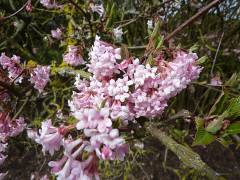
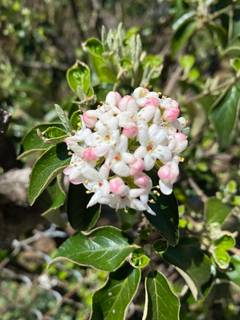
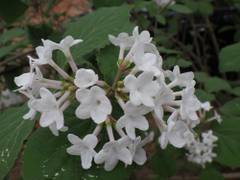
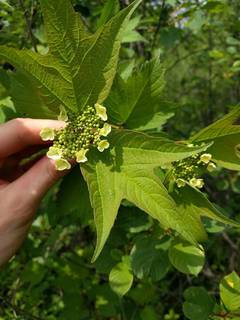
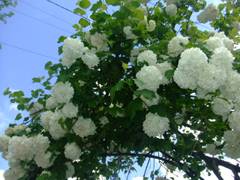
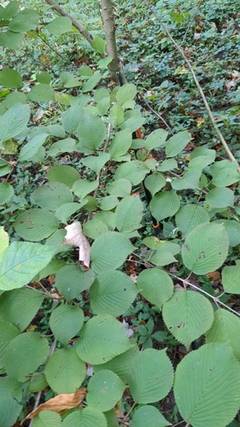
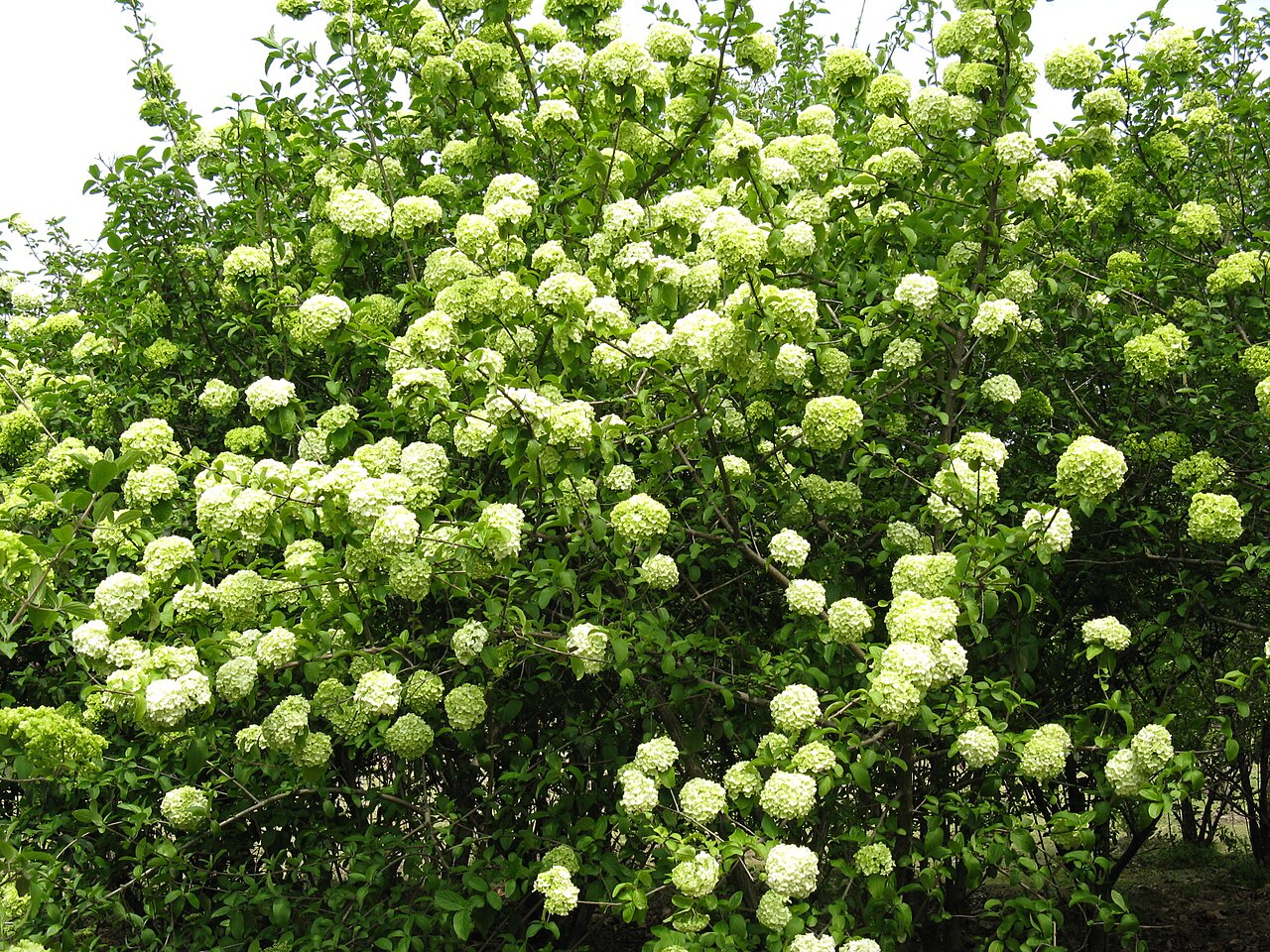
Viburnum macrocephalum is a semi-evergreen to deciduous shrub in the moschatel family (Adoxaceae), 6–12 feet (1.8–3.7 m) tall with an equal spread and a rounded, spreading habit. Stems are upright to arching and covered in star-shaped hairs when young. Leaves are opposite, ovate to elliptic, 2–4 inches (5–10 cm) long with finely toothed margins, dull green above, and hairy beneath; plants hold most leaves through winter in zones 8–9 and drop them in colder sites. Flowers are sterile and borne in rounded heads 6–8 inches (15–20 cm) wide, opening lime-green and aging to white over 2–3 weeks in April and May. The flowers have no fragrance and set no fruit. Growth is 12–24 inches (30–60 cm) per year. Branches bend under the weight of wet flower heads, and viburnum leaf beetle, aphids, and powdery mildew affect the leaves. Plants are hardy in USDA zones 6–9, and flower buds are lost after hard winter freezes.
Native Range
Viburnum macrocephalum is native to China and is cultivated across central and eastern China and in temperate regions worldwide. The wild form with fertile flowers, V. macrocephalum f. keteleeri, grows in thickets and woodland margins.Suggested Uses
Used as a specimen, background shrub, or informal hedge in mixed borders, with plants spaced 6–8 feet (1.8–2.4 m) apart. Cut flower heads are used in floral arrangements.How to Identify
Appearance
Size & Dimensions
Height6' - 12'
Width/Spread6' - 12'
Bloom Information
Sterile flower heads open in April and May, emerging lime-green and turning white over 2–3 weeks. Heads persist 3–4 weeks before turning tan and papery. Fewer flower heads form after winters below 0°F (−18°C).
Detailed Descriptions
Flower Description
Lime-green aging to whiteFoliage Description
Dull greenGrowing Conditions
Sun Requirements
Requires 4-10 hours of direct sunlight daily
• Full Sun: 6+ hours of direct sunlight
• Partial Shade: 3-6 hours of direct sunlight
• Full Shade: Less than 3 hours of direct sunlight
Care & Maintenance
Care Guide
Grows in full sun to part shade in moist, well-drained loam with a pH of 6.0–7.0. Hardy in USDA zones 6–9. Plants receive 1 inch (25 mm) of water per week, and shaded plants flower less heavily than those with 6 hours or more of direct sun. A mulch layer 2–3 inches (5–8 cm) deep keeps roots cool. Powdery mildew develops in humid, shaded sites, and viburnum leaf beetle larvae chew leaves from May to June.Pruning
Pruning is done immediately after flowering in May or June, because flower buds for the next year form on the current season's growth by late summer. Stems older than 4 years are cut to the ground to renew the shrub. Cutting to 12 inches (30 cm) above the soil delays flowering for 1–2 years.Pruning Schedule
Prune: May–June
late springsummer